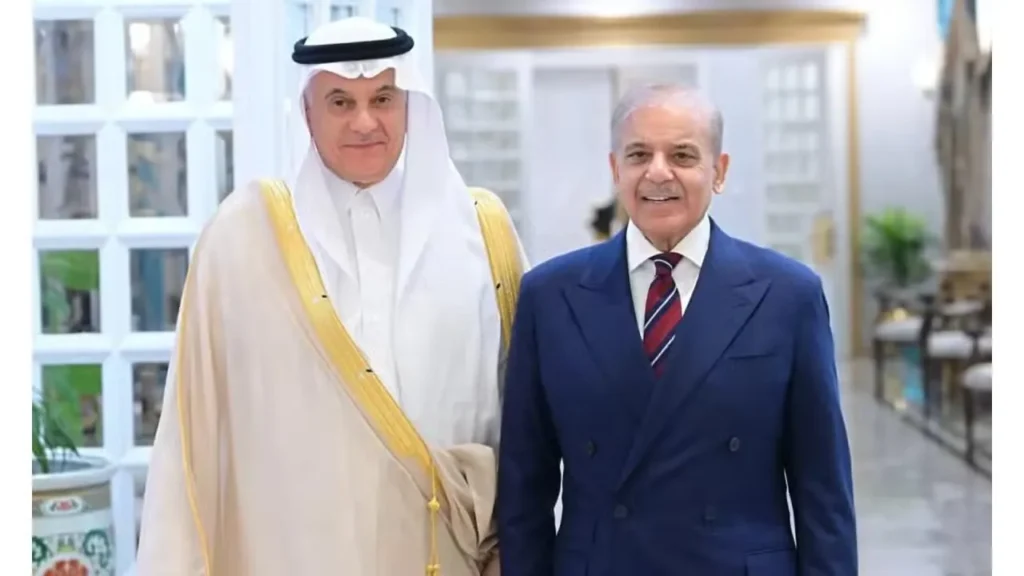
Pakistan and Saudi Arabia have agreed to increase Pakistan’s agricultural and food exports to the Saudi market to $3 billion over the next two years, with rice, red meat, fruits, green fodder and water-efficient farming technologies identified as key areas for expansion.
The agreement was reached during a three-day visit by Saudi Minister of Environment, Water and Agriculture Engineer Abdulrahman Al Fadley to Islamabad from August 26 to 28.
The Saudi delegation held discussions with Pakistan’s Ministry of National Food Security and Research, government officials and representatives of the private sector on expanding agricultural trade and investment between the two countries.
Rice exports to Saudi Arabia targeted for expansion
Rice is expected to be one of the main drivers of higher Pakistan agricultural exports to Saudi Arabia.
Pakistan exported around 169,000 tonnes of rice worth approximately $163 million to Saudi Arabia in 2025. During the recent discussions, the Saudi side expressed interest in increasing rice imports from Pakistan in the coming years.
The two countries also reviewed the Pakistan-Saudi Arabia Agriculture and Food Strategic Plan, focusing on measures that could expand trade and strengthen private-sector cooperation across agricultural and food supply chains.
Saudi Arabia seeks more Pakistani red meat
Red meat was identified as another major area with export potential.
Pakistan currently supplies approximately 30,000 tonnes of red meat annually to Saudi Arabia, with exports valued at around $167 million.
Saudi Arabia expressed interest in gradually doubling its imports of Pakistani red meat, creating an opportunity for Pakistan’s livestock and meat-processing industries to expand their presence in the Gulf market.
Improving production capacity, quality standards and certification processes will be important to support any significant increase in exports.
Fruits, fodder and agricultural technology identified as growth areas
The two sides also identified fruits, fruit concentrates, green fodder and water-efficient agricultural technologies as sectors with significant potential for increased trade and investment.
Pakistan and Saudi Arabia agreed to promote business-to-business matchmaking and work toward the mutual recognition of quality certifications, which could make it easier for Pakistani agricultural products to enter the Saudi market.
Saudi officials showed particular interest in green fodder, viewing it as a potential area for long-term supply partnerships.
The two countries also welcomed the completion of the first phase of a water-efficient irrigation programme in Bhakkar, Punjab, and discussed a proposed second phase focused on supporting small farmers.
Saudi Arabia explores investment in Pakistan agriculture
The talks also covered investment proposals from Pakistani businesses in livestock, agri-food processing and the rice value chain.
Saudi Arabia encouraged Pakistan to join the International Dates Council, while Pakistan welcomed an invitation to participate in the Saudi Agriculture Exhibition in Riyadh, scheduled for October 19 to 22.
The discussions reflect growing Saudi interest in Pakistan’s agriculture and food sector as both countries seek to strengthen bilateral trade and investment.
In February, Saudi Assistant Minister of Investment Ibrahim Al Mubarak visited Islamabad and expressed interest in investment opportunities in corporate farming, particularly Pakistan’s rice sector.
Pakistan-Saudi agricultural trade set for deeper cooperation
The latest agreement provides a framework for expanding Pakistan-Saudi Arabia agricultural trade, with both governments placing greater emphasis on private-sector partnerships, investment and long-term supply arrangements.
Achieving the $3 billion export target will depend on increasing production capacity, meeting Saudi quality and food-safety requirements, improving certification procedures and developing reliable supply chains.
Both sides have agreed to maintain coordination to translate the latest agriculture export and investment commitments into concrete commercial projects over the next two years.
