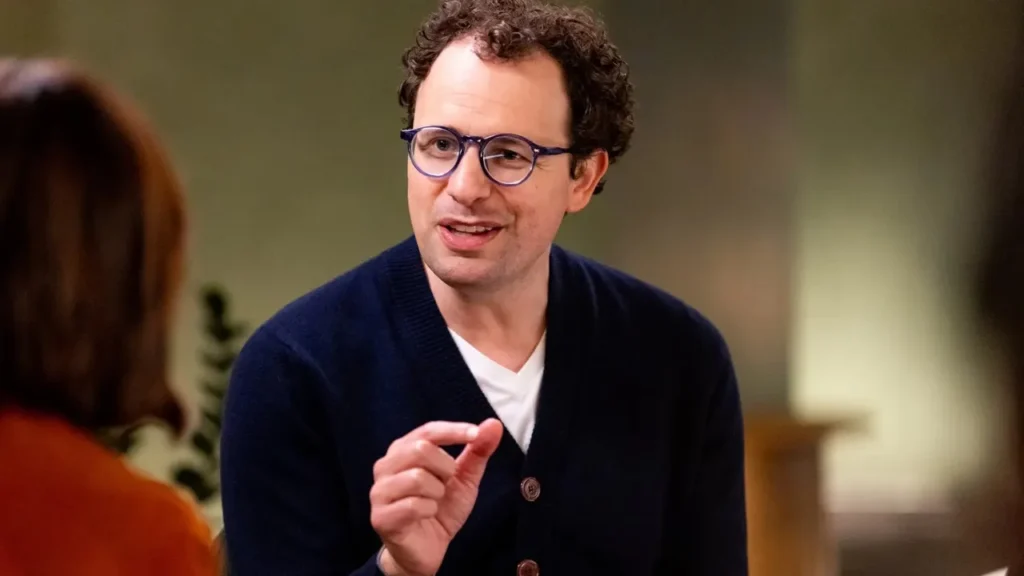
Anthropic CEO Dario Amodei believes artificial intelligence could help cure most human diseases within the next five to 10 years, potentially accelerating medical discoveries that have traditionally required decades of biological research.
Amodei, 43, shared the prediction in a recent post, arguing that increasingly capable AI systems could dramatically accelerate research in biology and medicine and help scientists develop treatments for diseases that remain difficult to manage today.
However, the timeline is Amodei’s personal prediction rather than an established medical forecast. Even if AI identifies promising drug candidates or biological discoveries, turning them into approved treatments requires laboratory research, extensive safety testing, clinical trials and regulatory approval.
AI Could Accelerate Medical Research
Amodei’s prediction is based on rapid advances in AI-powered medical research, drug discovery and biological analysis.
Artificial intelligence is increasingly being explored for applications ranging from medical imaging and disease detection to drug development and clinical decision-making. AI tools can process large volumes of biological and medical data, potentially helping researchers identify patterns and promising targets more quickly.
Recent developments in AI-assisted surgery and early disease detection have also demonstrated the potential for artificial intelligence to support medical professionals.
The broader technology industry is investing heavily in AI systems designed to understand biological processes, analyse medical images and assist researchers in identifying potential treatments.
Amodei believes that demonstrating measurable real-world results will be important if AI companies are to build public confidence around ambitious claims about the technology’s impact on healthcare.
AI Disease Cures Face Major Challenges
While AI could accelerate parts of medical research, developing a successful treatment remains a lengthy and complex process.
An AI system may identify a potential drug candidate or suggest a biological mechanism, but researchers still need to determine whether the discovery is effective and safe in humans.
Potential treatments typically have to pass through preclinical research, human clinical trials and regulatory review before they can become widely available.
This means that faster discovery does not necessarily translate into an equally fast path to an approved medicine.
Not Everyone Agrees With Amodei’s Prediction
Amodei’s forecast has generated mixed reactions online.
Supporters argue that increasingly powerful AI could help researchers tackle diseases that have resisted conventional approaches. They believe advanced AI models could uncover biological relationships that would be difficult or time-consuming for humans to identify independently.
Others have questioned whether the technology can deliver on such an ambitious timeline.
Critics have pointed out that discovering a potential treatment is very different from proving that it works safely and consistently in patients. AI has also yet to demonstrate that it can reliably deliver cures for most major diseases.
Regulatory requirements, clinical trial timelines, manufacturing challenges and the cost of medical research could all limit how quickly AI-assisted discoveries reach patients.
AI’s Role in the Future of Medicine
Despite the uncertainty surrounding Amodei’s prediction, AI is expected to play an increasingly important role in healthcare and medical research.
The technology could help scientists analyse complex biological data, identify drug targets, improve diagnostic tools and accelerate parts of the drug-development process.
Whether AI can help cure most human diseases within five to 10 years remains uncertain. For now, Amodei’s timeline should be viewed as an ambitious forecast rather than a guaranteed medical breakthrough.
The ultimate impact of AI on medicine will depend not only on the capabilities of AI models but also on scientific validation, clinical evidence, regulatory decisions and the ability to translate discoveries into safe and affordable treatments.
