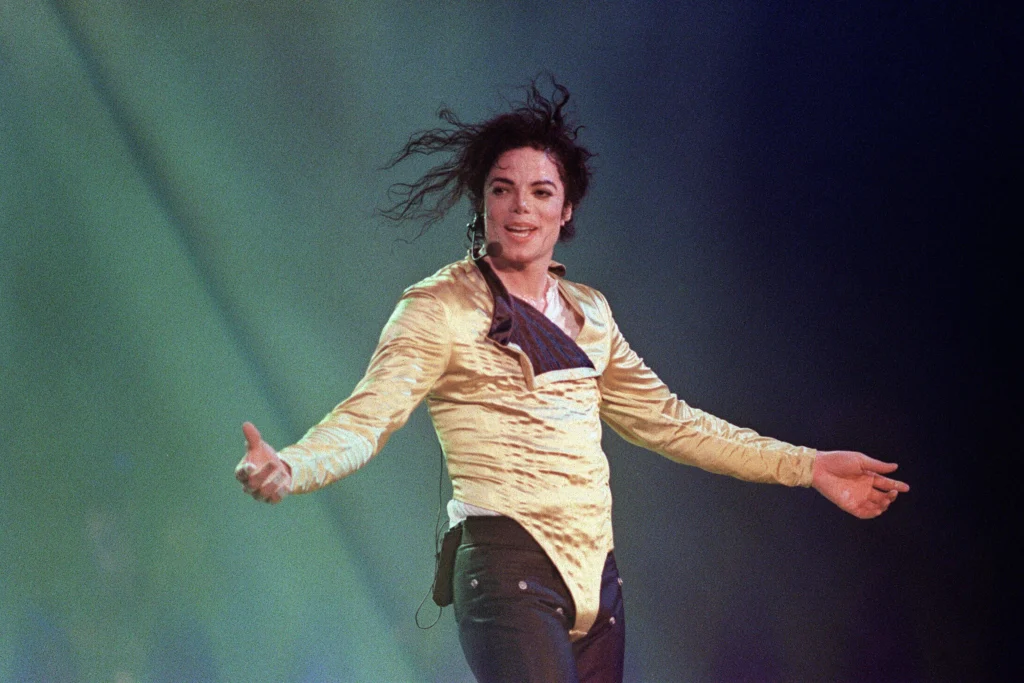
Nearly two decades after the death of Michael Jackson, questions about his final hours continue to draw global attention. Despite his unmatched legacy in music and culture, the circumstances surrounding his passing remain one of the most scrutinized celebrity deaths in modern history.
Jackson died on June 25, 2009, in Los Angeles at the age of 50. His death was officially ruled a homicide, caused by the improper administration of powerful prescription drugs while he was under medical care at home.
The Medical Cause of Death
According to the Los Angeles County Coroner, Jackson died from acute propofol intoxication, which led to cardiac arrest. Propofol is a fast-acting anesthetic typically used in hospitals under strict monitoring—not as a sleep aid.
Toxicology reports also found multiple sedatives in his system, including lorazepam, midazolam, and diazepam, a combination that significantly increased the risk of respiratory failure. Medical experts later testified that the drug cocktail, administered outside a clinical setting, was extremely dangerous.
Role of Dr. Conrad Murray
Responsibility for administering the drugs fell to Jackson’s personal physician, Conrad Murray, who had been hired to treat the singer’s chronic insomnia while Jackson prepared for his planned comeback shows.
In the early morning hours of June 25, Murray administered propofol after other sedatives failed to help Jackson sleep. When Jackson stopped breathing, Murray attempted CPR but waited more than an hour before emergency services were contacted—a delay prosecutors later described as “grossly negligent.”
Where and When Jackson Died
Jackson collapsed in the bedroom of a rented mansion in Holmby Hills, Los Angeles. Paramedics transported him to Ronald Reagan UCLA Medical Center, where he was pronounced dead later that afternoon.
Authorities later discovered numerous prescription medications at the residence, many without proper labeling or documentation.
Legal Aftermath and Criminal Conviction
Following a high-profile investigation and trial, Murray was convicted of involuntary manslaughter in 2011. The court found that he acted with criminal negligence by:
- Using propofol as a sleep aid
- Failing to properly monitor Jackson
- Delaying the 911 call
- Attempting to conceal medications
Murray was sentenced to four years in prison but served approximately two.
Jackson’s Final Career Chapter
At the time of his death, Jackson was rehearsing for This Is It, a major London concert residency meant to mark his return after years away from touring. The performances never took place, but rehearsal footage was later released in a documentary film that became a global box-office success.
Public Reaction and Global Mourning
News of Jackson’s death triggered an unprecedented global response. Major websites crashed as fans searched for updates, while tributes poured in from world leaders, artists, and millions of admirers.
A public memorial at Los Angeles’ Crypto.com Arena drew more than 1 million ticket requests, and Jackson’s music surged to the top of global charts in the days that followed.
Michael Jackson’s Legacy
While his death exposed serious failures in medical oversight, Michael Jackson’s cultural impact remains undiminished. From redefining pop music and dance to breaking racial barriers in entertainment, his influence continues to shape generations of artists worldwide.
His passing stands as both a tragedy and a cautionary tale—underscoring the dangers of unchecked access to powerful medications, even for the most famous individuals on Earth.
