As Pakistan moves closer to announcing the federal budget for the new fiscal year, uncertainty is growing among car buyers over whether to purchase now or wait. Industry signals suggest the answer depends largely on the type of vehicle a buyer is considering.
Budget uncertainty clouds auto market
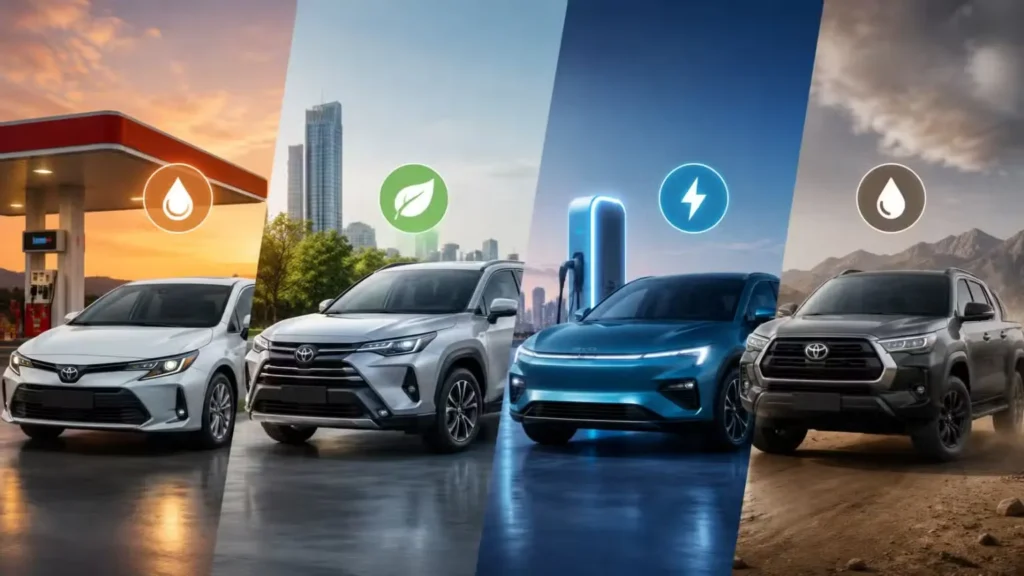
Market insiders say the upcoming budget could bring major changes to vehicle taxation. Imported cars may become cheaper if duties are reduced, while hybrid and electric vehicles could face higher taxes if incentives are revised. Petrol-powered cars, however, are expected to see limited impact.
To cut through speculation, artificial intelligence was used to analyse recent auto-sector reporting published by The Asian Mirror, offering projections based on policy trends and industry data.
Imported cars: Waiting may pay off
According to multiple sources in Islamabad, the federal government is considering significant reductions in import-related taxes on Completely Built Units (CBUs). Proposals under discussion include lowering customs duty to 50 percent and reducing regulatory duty to around 20 percent.
If implemented, total import tariffs could fall from nearly 150 percent to about 70 percent. Analysts say such changes could push down prices of newly imported vehicles and trigger a 10 to 15 percent correction in the used imported car market after July.
AI-based analysis suggests buyers interested in imported vehicles may benefit from waiting until after the budget announcement.
Hybrids and EVs: Buy before June 30?
Unlike imported cars, hybrids and electric vehicles currently enjoy favorable tax treatment. Pure electric vehicles are taxed at just 1 per percent GST, while locally assembled hybrids fall under an 8.5 percent GST slab.
Experts warn these incentives could be revised upward without advance notice. For higher-end hybrids and electric SUVs, even a small GST increase could add several hundred thousand rupees to the final price.
As a result, buyers considering hybrids or EVs may find current prices more attractive than post-budget rates.
Pre-budget promotions intensify
Several automakers have rolled out aggressive pre-budget offers to lock in sales. Hyundai Pakistan is encouraging buyers to complete bookings before any potential tax changes, while MG Motor Pakistan has announced incentives on the MG HS PHEV, including interest-free financing and benefits worth up to Rs. 550,000.
Industry observers say these promotions are aimed at protecting sales volumes ahead of fiscal uncertainty.
Invoice date matters more than booking
AI analysis highlights a key risk for buyers: the invoice date. If a vehicle is invoiced after June 30, any new taxes announced in the budget can still be passed on to the customer, regardless of when the booking was made.
Buyers are advised to obtain written confirmation of invoice dates and review booking terms carefully to avoid post-budget price shocks.
Petrol cars likely to remain stable
For locally assembled petrol and diesel vehicles, the budget impact is expected to be minimal. Analysts say most tax pressure in this segment has already been absorbed in previous years.
While documentation requirements and non-filer restrictions may tighten further, no major immediate price changes are expected for locally produced petrol cars.
Final outlook
The auto market remains highly sensitive to budget decisions. Imported car buyers may benefit from waiting, while hybrid and EV buyers could be better off locking in current prices. For petrol car buyers, industry experts advise patience, as prices are unlikely to move significantly in the short term.
Ultimately, the federal budget is expected to affect each vehicle segment differently, making informed timing more important than ever for Pakistani car buyers.
