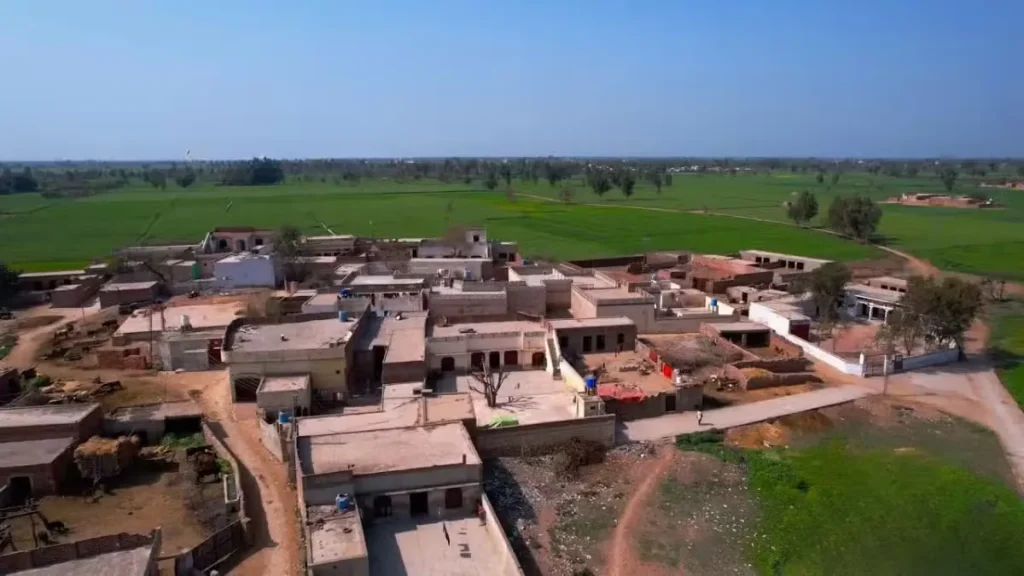
Punjab Chief Minister Maryam Nawaz Sharif has approved a pilot project to develop 120 villages as model settlements, with planned improvements to sewerage, drainage and paved streets under a new rural development initiative.
The decision was announced after a special meeting chaired by Maryam Nawaz in Lahore on October 20, 2026. According to Radio Pakistan’s report, the provincial government also plans to introduce the Khushhal Dehat Act 2026 as part of its efforts to improve conditions in rural communities.
The chief minister directed the relevant authorities to establish village committees in consultation with local public representatives and prepare a comprehensive plan for the initiative.
The project is intended to extend basic infrastructure development beyond major urban centres. However, the government has yet to provide a publicly confirmed list of the 120 selected villages, a detailed budget or a completion schedule in the announcement cited above.
Village Committees to Oversee Development Work
Under the proposed arrangement, each participating village will have an eight-member committee comprising four public representatives and four government representatives.
The committee will include a head teacher, the union council secretary, a doctor from a Basic Health Unit or Maryam Nawaz Health Clinic, and other relevant representatives.
The assistant commissioner concerned will head each committee, while the deputy commissioner will supervise the committees and oversee the wider development initiative.
The government has also said local residents will be consulted during the planning and implementation of village projects. This approach could help officials identify community priorities, although its effectiveness will depend on how consultations are conducted and how residents’ concerns are reflected in the final plans.
Sewerage, Drainage and Paved Streets Planned
According to the project briefing, the planned improvements include sewerage systems, drainage facilities and paved streets in the selected villages.
These facilities address basic infrastructure needs that can affect sanitation, mobility and everyday living conditions. Their actual impact, however, will depend on construction quality, maintenance arrangements and whether the infrastructure meets the needs of each community.
Maryam Nawaz has directed officials to maintain quality and transparency in development work. Members of the provincial assembly and party ticket-holders have also been assigned a role in overseeing projects in their respective villages.
For residents, the next important details will be the identification of participating villages, the release of funds, the start of construction and the mechanism for monitoring progress.
What Is the Khushhal Dehat Act 2026?
The Punjab government has announced plans to introduce the Khushhal Dehat Act 2026 alongside the 120-village pilot project.
The announcement does not establish that the proposed legislation has been passed by the Punjab Assembly or formally enacted. Its legal status, provisions and implementation framework should be confirmed through official legislative records when they become available.
The legislation’s final text will be important in determining how the initiative is structured, what responsibilities government departments and local committees will have, and what safeguards will apply to project implementation.
What Happens Next?
The 120-village pilot project marks an announced step in the Punjab government’s rural development plans. Its progress will become clearer when authorities publish the selected locations, funding details, implementation timeline and monitoring arrangements.
Transparent reporting on expenditure and completed work would also allow residents to assess whether the promised improvements are being delivered.
For now, the government has announced the pilot project and directed officials to prepare its implementation arrangements. Further official updates are needed to establish when construction will begin and how the results will be measured.
