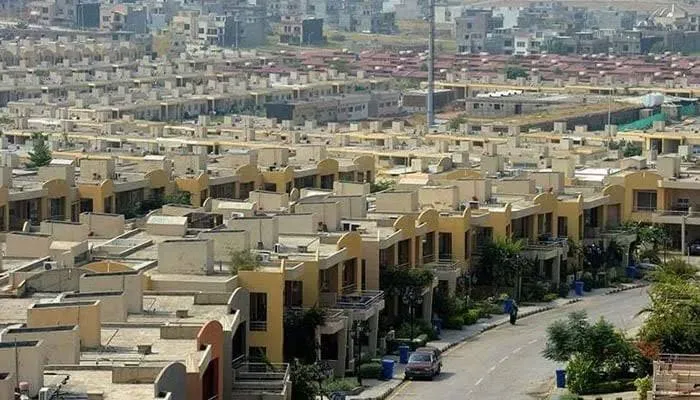
The Punjab government has approved major changes to the Punjab Private Housing Schemes Rules 2022, bringing stricter planning standards, stronger protection for home buyers, and a fully digital approval system for private housing projects across the province.
The amendments were approved by the Punjab Cabinet Standing Committee on Legislative Business and will become law after they are officially published in the government gazette. Officials say the reforms are meant to stop illegal housing schemes, improve transparency, and ensure better living standards in new developments.
All housing approvals to move online
Under the new rules, every application for a new private housing scheme or changes to an existing project will be processed through a single digital platform. This means developers will no longer rely on manual paperwork.
Officials say the online system will reduce delays, limit corruption, and allow authorities to track every step of the approval process more clearly.
Clear limits on ownership and partnerships
The government has also tightened rules around who can develop housing schemes.
If a project involves more than five landowners, it must now be registered as a company or a cooperative society. Joint venture projects will be limited to a maximum of five partners.
Authorities say this step will make it easier to fix responsibility if problems arise and protect buyers from disputes caused by unclear ownership.
Housing projects divided into clear categories
Private housing schemes will now be divided into four categories. These include small schemes under 100 kanals, farm housing schemes, apartment projects, and low-cost housing developments.
Also read: Maryam Nawaz Announces Free Land and Housing Scheme for Citizens in Punjab
Affordable housing projects must clearly use words like low cost or budget in their official names. Officials say this will stop developers from misleading buyers with confusing or false marketing.
Mandatory parks roads and public spaces
Developers will now be legally required to set aside land for parks, playgrounds, graveyards, public buildings, roads, and waste management areas.
Open spaces must make up between 5 percent and 7 percent of most housing schemes. Apartment projects must reserve at least 10 percent of their area for open space. Graveyards must cover at least 2 percent of the land.
Commercial areas will be limited to between 5 percent and 10 percent, while land for public buildings must stay within 2 percent to 3 percent. These limits aim to reduce overcrowding and improve quality of life for residents.
Underground utilities and environmental approval required
All utility services such as water supply, sewerage, gas, electricity, telephone lines, and internet cables must now be installed underground before roads are built.
Developers must also get approval from all relevant service departments and obtain environmental clearance within six months. Officials say this will prevent future damage to roads and reduce environmental harm.
Heavy fines for illegal or delayed projects
The government has strengthened enforcement under the new rules.
Illegal housing schemes or project delays will face daily fines ranging from Rs 5,000 to Rs 20,000, depending on the violation. Authorities say this will discourage unapproved developments and protect buyers from financial losses.
Management committees to take over completed schemes
Once a housing project is completed, it will be handed over to a seven-member management committee made up of developers and residents.
These committees will be responsible for maintenance, financial matters, and day-to-day management of shared facilities, ensuring residents have a voice in how their communities are run.
Reforms aim to protect buyers and improve cities
Officials say the updated housing rules are designed to modernize Punjab’s housing sector, protect people investing their life savings, encourage affordable housing, and support planned urban growth.
The changes are expected to bring long-term improvements in housing quality, transparency, and accountability across Punjab.
About Tamoor Ahmed

Tamoor Ahmad has been covering politics since 2022.
