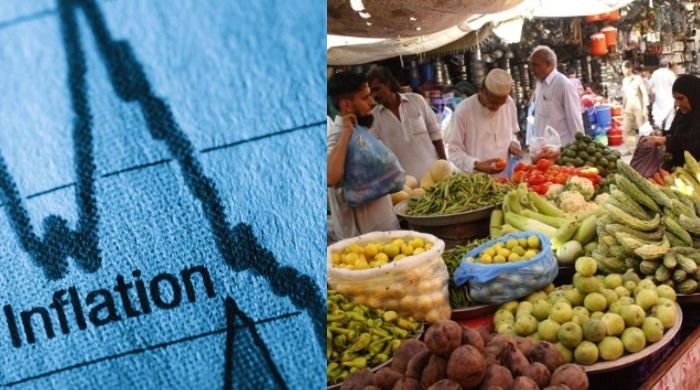
Inflation surges up by 1.35% during Ramadan. As Pakistan enters the holy month of Ramadan, its citizens are grappling with heightened economic challenges.
The sharp increase is primarily attributed to the rising costs of food items and fuel, exacerbating the financial strain on households across the nation.
Inflation surges up by 1.35% during Ramadan
Recent data reveals a concerning surge in weekly inflation, with prices soaring by 1.35% in the week ending on March 14.
According to statistics released by the Pakistan Bureau of Statistics (PBS), the Sensitive Price Indicator (SPI) inflation has been steadily climbing over the past month, reaching a staggering 32.89% year-on-year during the reviewed week.
Fluctuations in consumer goods prices
The SPI, which tracks 51 essential items, reveals a mixed picture of price movements. While 18 items experienced price hikes, 10 items witnessed a decrease in prices, and 23 items remained unchanged.
Also read: 5 Ramadan tips to stay fit during holy month
Notably, staples such as tomatoes, bananas, eggs, and onions saw notable increases, placing additional strain on household budgets during Ramadan.
Impact on different income groups
The inflationary burden varies across income brackets, as reflected in the SPI percentage change analysis.
While all three quantiles experienced a decrease in SPI, two quantiles witnessed an increase, underscoring the disproportionate impact of rising prices on different socioeconomic segments.
For lower-income groups earning up to Rs17,732 per month, the SPI increased by 27.83%, while higher-income groups with salaries exceeding Rs44,175 per month recorded a 28.9% increase.
Year-on-year comparisons highlight struggles
Comparing prices to the previous year further underscores the economic challenges facing Pakistani households.
Gas charges for Q1 registered a staggering 570% increase year-on-year, while essential commodities like tomatoes, onions, and wheat flour also witnessed significant price hikes.
Conversely, certain items such as cooking oil and bananas saw modest declines in prices, providing some relief amidst the broader inflationary trends.
The prices of tomatoes increased by 21.96%, bananas by 21.76%, eggs by 7.15%, onions by 5.6%, LPG by 4.45%, garlic by 3.6%, mutton by 1.7%, beef by 1.5%, and chicken by 1.4%.
Meanwhile, cooking oil (5 litre), vegetable ghee (2.5 Kg), and wheat flour saw a 1% decrease in their prices. The prices of sugar fell by 0.64%, gur by 0.57%, rice (basmati broken) by 0.50%, pulse masoor by 0.17% and pulse mash by 0.15% over the previous week.
Meanwhile, the SPI percentage change by income groups showed that SPI decreased across all three quantiles, while it increased across two quantiles.
For the lowest income groups earning up to Rs17,732 per month, the SPI increased by 27.83% while it recorded an increase of 28.9% for highest income groups with salaries over Rs44,175 per month.
According to the SPI, the prices of gas charges for Q1 increased by 570% year-on-year basis, tomatoes by 186%, onions by 90%, chili powder by 82%, gents’ sponge chappal by 58%, gents’ sandal by 53%, wheat flour by 52%, gur by 41%, sugar by 37% and salt powder by 35% over the last year.
Meanwhile the prices of cooking oil (5 litre) fell by 21%, vegetable ghee (1 Kg) by 19%, vegetable ghee (2.5 Kg) by 18%, mustard oil by 15% and bananas by 4%.
