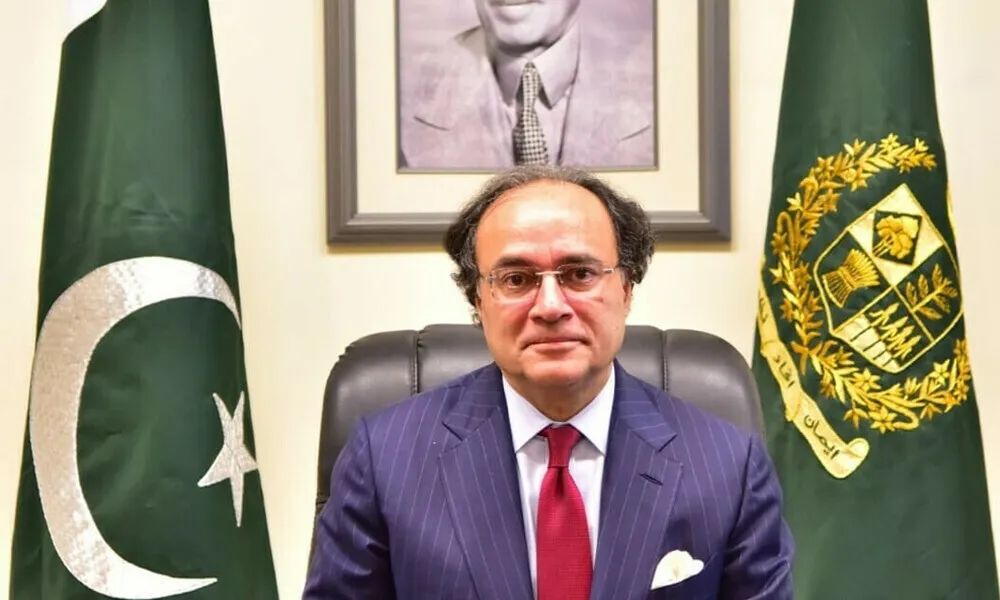
Pakistan is targeting a B+ sovereign credit rating by the next fiscal year, Finance Minister Muhammad Aurangzeb has told Bloomberg TV, as the government seeks to strengthen the country’s financial position, extend debt maturities and attract foreign investment.
The government’s target follows recent credit rating upgrades by international agencies. Moody’s Ratings upgraded Pakistan to B3 from Caa1 in August, while S&P Global Ratings raised its rating to B from B- in July, reflecting improvements in economic conditions and the country’s financial position, according to the report.
Pakistan’s planned move towards a B+ rating would represent another step in its efforts to restore investor confidence after the country came close to default in 2022 and sought support from the International Monetary Fund (IMF).
Pakistan Expands Options for External Borrowing
Aurangzeb said Pakistan was not in a hurry to issue international bonds during the current fiscal year. Instead, the government is working to diversify its financing sources and prepare for future borrowing needs.
The government has appointed banks for potential Islamic sukuk offerings and is exploring dollar-settled bonds denominated in rupees. It also plans to seek bids soon for the remaining portion of its panda bond programme, which involves raising funds in China’s domestic bond market.
Another option under consideration is the tokenisation of existing Eurobonds, which could involve representing bond ownership through digital tokens. Any such initiative would depend on the applicable regulatory, legal and market arrangements.
These measures form part of a broader strategy to reduce reliance on a narrow range of external financing sources and improve the management of public debt.
Government Seeks to Reduce Debt Rollover Risks

Pakistan also wants to replace some short-term external debt with longer-term borrowing over the next two to three years, according to Aurangzeb.
The strategy is intended to reduce debt rollover risks, which arise when maturing loans must be repaid or refinanced within a short period. Extending repayment periods could give the government greater flexibility in managing its external financing requirements.
Aurangzeb said Pakistan’s external debt stood close to $100 billion and that the government intended to keep the overall amount broadly stable while changing its maturity profile.
The country’s foreign exchange reserves have also improved, supported by external financing and a $3 billion Eurobond issuance, described in the report as Pakistan’s first such issuance in four years.
However, a higher credit rating and stronger reserves do not eliminate the challenges associated with debt servicing, foreign currency requirements and the need to maintain economic stability.
Pakistan in Talks With US Over Proposed $10 Billion Facility

Pakistan is holding active discussions with the United States over a proposed $10 billion facility designed to provide liquidity support, Aurangzeb told Bloomberg TV.
The finance minister distinguished the proposal from a conventional loan or credit line. The discussions are taking place as negotiations over trade tariffs approach their final phase, according to the report.
The proposed facility remains subject to the outcome of the discussions. Its structure, terms and implementation arrangements would be important in determining how it could support Pakistan’s external financing position.
The two countries are also discussing potential US-backed investment in Pakistan’s agriculture, minerals and mining sectors through the US Export-Import Bank and the US International Development Finance Corporation.
Aurangzeb said US investors had also expressed interest in Pakistan’s refinery sector, while the government expected the country’s new automobile policy to receive approval within weeks.
Credit Rating Upgrade Depends on Economic Progress
A sovereign credit rating helps investors assess a country’s capacity to meet its debt obligations. Rating upgrades can improve investor perceptions and potentially reduce borrowing costs, although actual financing terms also depend on market conditions, currency risks and investor demand.
Pakistan’s target of reaching B+ would require continued progress in economic stability and public finance management. The government’s borrowing strategy, reserve position and ability to manage external repayments will remain important factors as it pursues the goal.
For Pakistan, the challenge is not only to secure further rating upgrades but also to translate improved assessments into sustainable access to international capital, greater investment and lower refinancing pressure.
The next stage will depend on the implementation of the government’s financing plans, progress in talks with the United States and the country’s ability to maintain economic stability over the coming fiscal year.
About Tamoor Ahmed

Tamoor Ahmad has been covering politics since 2022.
