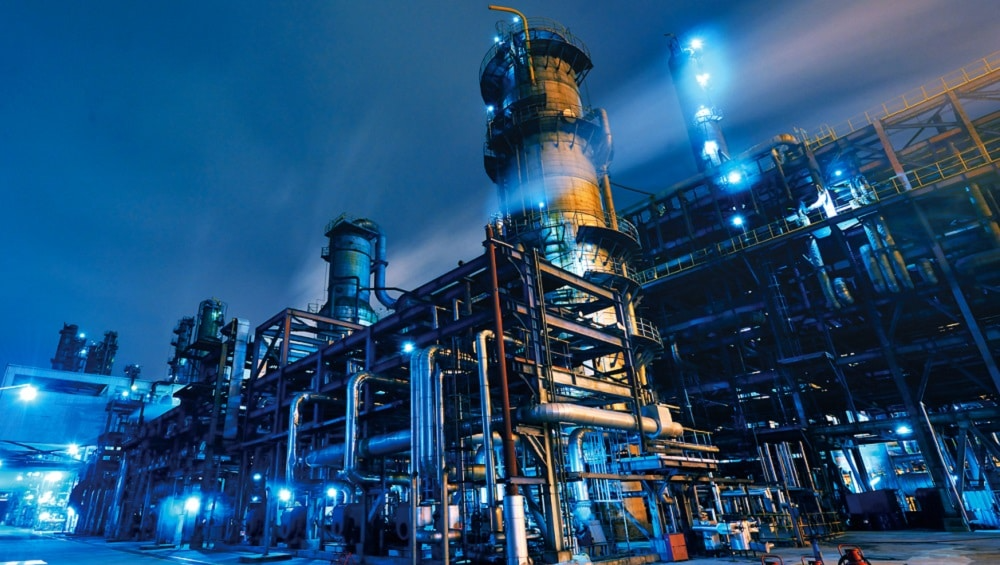
Pakistan has decided to accelerate its long-pending $6 billion refinery upgrade plan after the recent Gulf conflict once again exposed how vulnerable the country is to disruptions in global oil supplies.
Officials say the surge in international oil prices following the war has intensified pressure on Pakistan’s economy, forcing repeated increases in petrol and diesel prices.
The rising fuel cost has added to inflation and public discontent while highlighting the risks of relying heavily on imported refined petroleum products.
The refinery upgrade programme covers all major refining units operating in the country, including Pak-Arab Refinery Limited, Attock Refinery Limited, National Refinery Limited, Cnergyico Pakistan Limited, and Pakistan Refinery Limited. Together, these refineries form the core of Pakistan’s downstream oil sector.
The planned upgrades aim to enable the production of cleaner Euro-V standard fuels. This includes petrol, diesel, furnace oil, and other refined products that meet modern environmental benchmarks.
Officials say the shift will help reduce emissions, improve air quality, and align Pakistan with international fuel standards already adopted across much of Asia and the Middle East.
Also read: IRGC Denies Planned Attack on Fujairah Oil Sites, Blames US Adventurism
Industry estimates suggest the project could unlock at least $6 billion in investment if long-standing policy and taxation issues are resolved.
Refinery executives have repeatedly argued that the scale of capital required makes the project unfeasible without fiscal incentives and regulatory certainty.
Official data shared with policymakers shows that previous refinery policies failed to deliver results due to delays in approvals and changes in tax treatment.
Pakistan currently has a total refining capacity of around 450,000 to 500,000 barrels per day, translating into roughly 21 to 23 million tonnes per year.
Even with this capacity, the country still imports a large portion of its refined fuel needs. After the proposed upgrades, total output could rise to nearly 33 million tonnes annually by 2035, significantly reducing dependence on imported petrol and diesel.
Also read: Gold Prices Slide as Dollar Strengthens, Hormuz Closure Pushes Oil Higher
Finance Minister Muhammad Aurangzeb is expected to chair a high-level meeting involving regulators, tax authorities, and refinery representatives to address unresolved financial and legal hurdles.
Officials say discussions will focus on customs duty relief for imported machinery, sales tax exemptions, and guaranteed pricing mechanisms to support long-term investment.
Pakistan’s fuel import bill stood at around $16 billion last year, making it one of the biggest contributors to the current account deficit. During periods of geopolitical instability, such as the recent Gulf conflict, this dependence exposes the economy to sudden price shocks and supply risks. Analysis by energy experts suggests that upgrading domestic refineries could act as a buffer against future crises, even if crude oil imports remain unavoidable.
Refinery operators have also urged the government to restore incentives that were promised under earlier refinery policies but later withdrawn. They argue that neighbouring countries offer more predictable frameworks, attracting investors who might otherwise consider Pakistan.
“Energy security is no longer just about availability. It is about resilience,” said an industry specialist familiar with the sector. “Without modern refineries, Pakistan will continue to pay a premium during every global crisis.”
As global oil markets remain volatile, officials increasingly view the refinery upgrade as a strategic necessity rather than a delayed development project.
Whether the government can move swiftly from intent to implementation will determine if Pakistan can finally strengthen its domestic refining base.
About Tamoor Ahmed

Tamoor Ahmad has been covering politics since 2022.
