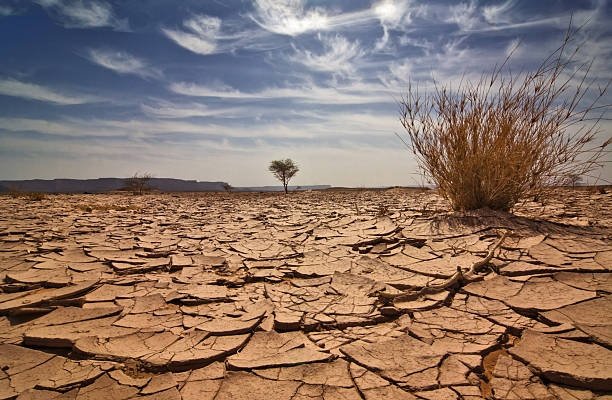
Pakistan’s drought situation could worsen over the coming months, with the Pakistan Meteorological Department (PMD) warning that dry conditions may persist in Sindh, Balochistan and southern Punjab into early 2027.
In its latest drought watch report, the department said the affected regions had experienced prolonged rainfall shortages since July 2026. Normal to below-normal rainfall is expected between December 2026 and February 2027, increasing concerns about agricultural production, drinking water supplies and the availability of irrigation resources.
The continued lack of rain has already reduced the prospects of soil moisture recovery in several areas. If the dry spell persists, farmers could face additional difficulties in maintaining winter crops, while communities dependent on limited surface and groundwater supplies may experience greater water stress.
Sindh has recorded some of the most severe rainfall shortages. According to PMD data, the province received 61% less rainfall than normal in July, followed by a 22% deficit in August and a 90% shortfall in September. October recorded no rainfall against the normal benchmark, while precipitation during the first 20 days of November remained 99% below normal.
Balochistan has also experienced persistent dry weather. Rainfall in the province was 41% below normal in July and 12% below normal in August. The deficit increased to 68% in September and 80% in October, while the first 20 days of November recorded 79% less rainfall than the normal level.
The successive monthly deficits indicate that the affected areas have had limited opportunities to recover from the prolonged dry spell. PMD warned that an increasing number of consecutive dry days across southern Pakistan could further reduce soil moisture and put pressure on water resources used for farming and household consumption.
The situation poses particular challenges for rain-fed agricultural areas, where crop production depends heavily on seasonal precipitation. Reduced soil moisture can affect crop establishment and growth, while limited irrigation supplies may make it harder for farmers to compensate for insufficient rainfall.
Water shortages could also affect livestock and rural communities that rely on local water sources. If below-normal rainfall continues through the winter, the pressure on groundwater reserves and existing water infrastructure could increase.
The meteorological department has urged relevant authorities to take preventive measures and prepare for potentially worsening drought conditions. It has particularly highlighted the need to protect vulnerable communities and areas where agriculture depends largely on rainfall.
The outlook also raises concerns for Pakistan’s agricultural sector, which remains exposed to changing rainfall patterns and water availability. The coming winter months will be important in determining whether the affected regions receive enough precipitation to ease the current drought risk.
With normal to below-normal rainfall forecast for December through February, PMD’s warning highlights the need for early preparedness, careful water management and measures to reduce the potential impact on crops and communities.
