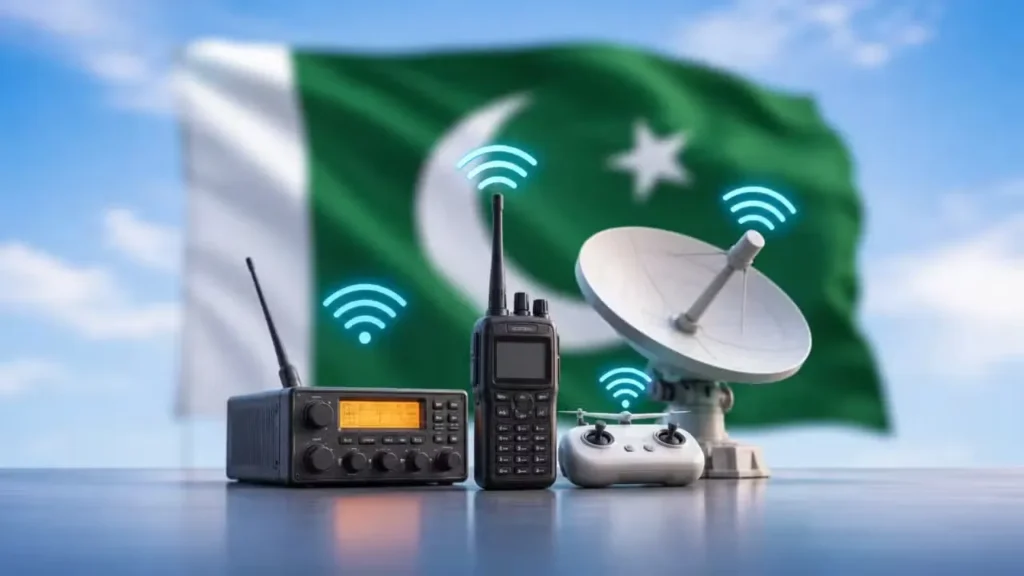
Pakistan has tightened regulatory requirements for radio communication, radar systems, tracking devices and other wireless equipment, making compliance with prescribed technical standards mandatory for manufacturers, importers and telecommunications operators.
The Pakistan Telecommunication Authority (PTA) will oversee compliance under the Telecommunication Equipment Standards Regulations, 2024, which were formally notified through S.R.O. 1110(I)/2026.
The framework requires covered equipment to meet applicable technical, electromagnetic compatibility, radio frequency, health and safety standards before it can be imported, deployed or put into operational use.
The regulations apply to a wide range of telecommunications equipment and give authorised officials powers to inspect products, examine compliance documents and monitor manufacturers and importers.
The government says the framework is intended to improve equipment reliability, strengthen network security and bring Pakistan’s telecommunications industry closer to internationally recognised technical standards.
Which Wireless Equipment Is Covered Under PTA Regulations?
The regulations cover several categories of radio-based and wireless communication equipment used across commercial, industrial and specialised communication systems.
These include:
- Very High Frequency (VHF) and Ultra High Frequency (UHF) radio communication devices.
- Radar systems operating across different frequency bands.
- Tracking and tracing equipment.
- Amateur radio and auxiliary radio devices.
- Ground-based and airborne model control equipment.
- Other wireless communication and terrestrial telecommunication equipment.
The framework also establishes technical requirements for radar systems operating on different frequency bands.
These requirements are particularly relevant to businesses and organisations using specialised radio equipment for communication, monitoring and tracking applications.
PTA Certificate of Compliance Becomes Mandatory
Under the regulatory framework, manufacturers and importers must demonstrate that their products meet the technical requirements prescribed by the authority.
A Certificate of Compliance (CoC) issued by the PTA is required for covered equipment before it can be imported, deployed or placed into operational use.
Applicants seeking certification must submit supporting documents, including:
- A declaration confirming compliance with applicable technical standards.
- Test reports issued by accredited laboratories.
- Bills of lading or air waybills for imported equipment.
- Product specifications and relevant technical documentation.
- Additional information requested by the regulatory authority.
The certification process allows the PTA to assess whether equipment meets the required technical and safety specifications.
The authority can also recognise test reports from accredited laboratories, subject to its applicable regulatory requirements.
PTA Officials Can Conduct Inspections Without Prior Notice
The regulations provide authorised government officers with powers to inspect or survey telecommunications equipment to verify compliance.
Inspections can take place with or without prior notice, allowing officials to examine equipment and assess whether manufacturers, importers and licence holders are meeting their regulatory obligations.
Businesses covered by the framework must also maintain updated records of their equipment for at least three years.
These records must be provided to the authority whenever requested. The requirement creates an additional compliance responsibility for companies involved in manufacturing, importing and supplying regulated wireless equipment.
International Standards to Guide Pakistan’s Telecom Industry
Pakistan’s regulatory framework incorporates internationally recognised technical standards covering electromagnetic compatibility, radio frequency communication, equipment safety and other telecommunications requirements.
The PTA has identified standards and technical requirements associated with international organisations and regulatory frameworks, including the International Telecommunication Union (ITU), International Electrotechnical Commission (IEC), European Telecommunications Standards Institute (ETSI), International Organization for Standardization (ISO) and the European Union’s Radio Equipment Directive.
These standards address issues such as electromagnetic interference, equipment safety, radio communication performance and compatibility between telecommunications systems.
According to the regulatory framework, the PTA can review and update applicable standards in consultation with relevant stakeholders as technology and industry requirements evolve.
The authority has said the broader framework is intended to improve interoperability, raise service standards, encourage local manufacturing and support the development of Pakistan’s telecommunications sector.
For manufacturers and importers, the requirements mean greater attention to product testing, certification and documentation before bringing regulated equipment into the Pakistani market.
The regulations therefore establish a more structured compliance framework for wireless and telecommunications equipment, with the PTA responsible for monitoring implementation and enforcing the prescribed technical requirements.
