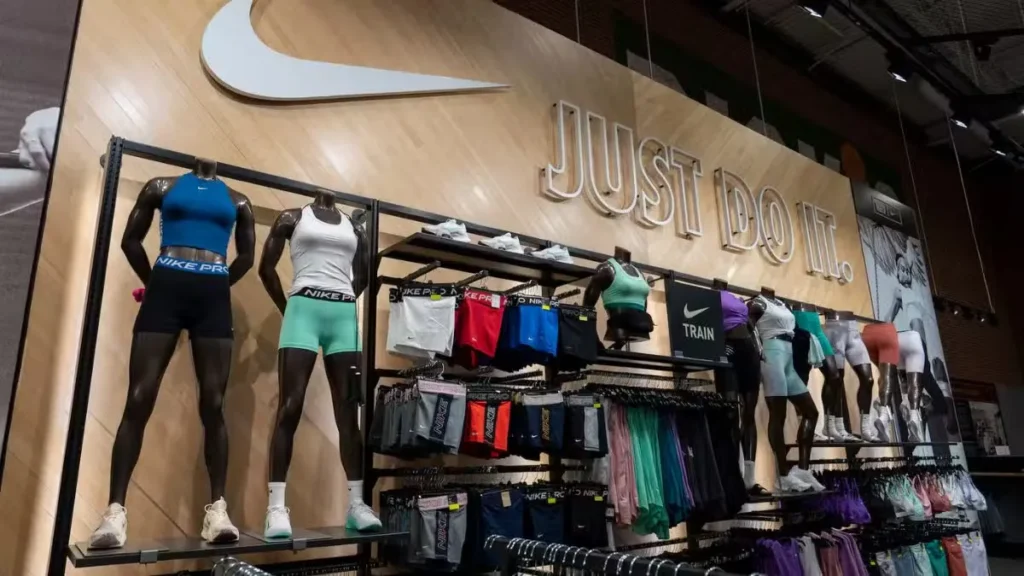
Libya’s Dar al-Ifta has issued a religious ruling prohibiting Muslims from buying, selling or wearing Nike-branded products, arguing that the American sportswear company’s name and logo promote symbols associated with polytheism.
The ruling, identified as Fatwa No. 6697, was approved by Grand Mufti Sadiq al-Gharyani. The Tripoli-based religious authority said the Nike brand was named after the ancient Greek goddess of victory and claimed that its Swoosh logo was inspired by the goddess’s wings.
Dar al-Ifta argued that displaying the brand’s name and logo on clothing promotes symbols that conflict with Islamic beliefs. It consequently called on Muslim consumers and traders to stop dealing in Nike products.
The decision also refers to the authority’s objections to companies it considers supportive of Israel, linking the latest ruling to an earlier boycott appeal issued by its Council for Research and Sharia Studies in November 2023.
However, the fatwa represents a religious position rather than a nationwide government prohibition. It does not introduce legal penalties for people who continue to purchase, sell or wear Nike products.
Why Libya’s Dar al-Ifta Has Targeted Nike
The religious committee based its objection partly on the historical meaning of the company’s name. In Greek mythology, Nike was the goddess associated with victory.
The committee also connected the company’s Swoosh logo to the wings of the mythological figure, arguing that wearing products displaying the symbol amounts to promoting imagery associated with polytheism.
Nike’s own historical account provides a different explanation of the logo’s design. According to the company’s official archives, graphic design student Carolyn Davidson created the curved mark in 1971 after being approached by co-founder Phil Knight.
Davidson designed the symbol to suggest movement. Nike’s account says the company initially referred to it as a stripe before it became known as the Swoosh.
The distinction is important because the religious authority’s interpretation of the logo is not the same as the documented account of its design and development.
Nike’s name, meanwhile, was adopted from the Greek goddess. The company traces its origins to 1964, when it was established as Blue Ribbon Sports before later becoming Nike.
Fatwa Also Accuses Nike of Supporting Israel
The ruling goes beyond the company’s branding and raises allegations concerning its position on Israel.
Dar al-Ifta described Nike as a company that supports Israel and referred to a statement issued by its Council for Research and Sharia Studies on November 5, 2023.
That earlier statement called for Muslims to boycott Western companies the council considered supportive of Israel during the war in Gaza. It also urged traders and consumers to avoid purchasing or selling non-essential products from the companies covered by its appeal.
The latest fatwa incorporates that position into its call to boycott Nike products.
The allegation of support for Israel is the religious authority’s stated position. The ruling itself does not provide independent evidence establishing the company’s alleged involvement or financial support.
Nike Products Continue to Be Sold in Libya
Nike does not operate official retail stores in Libya, but its branded products are available through local sportswear retailers. Counterfeit products carrying internationally recognised sportswear labels are also sold in markets across North Africa.
The fatwa is therefore directed at Muslim consumers and traders rather than at an established network of official Nike outlets in the country.
Libya also has a historical connection to ancient Greek civilisation. The archaeological site of Cyrene in northeastern Libya was founded as a Greek colony and became one of the major cities of the ancient Hellenic world. UNESCO added the site to its World Heritage List in 1982.
The latest decision follows earlier objections by the Libyan religious authority to international fashion and luxury brands. Dar al-Ifta previously issued a ruling against jewellery and watches bearing the four-leaf clover design associated with French luxury brand Van Cleef & Arpels.
The Nike ruling is likely to attract attention because of the company’s international reach and the widespread use of its sportswear. Its practical effect, however, will depend on whether consumers and retailers choose to follow the religious authority’s recommendation.
For now, the ruling does not amount to a legal ban on Nike products in Libya.
