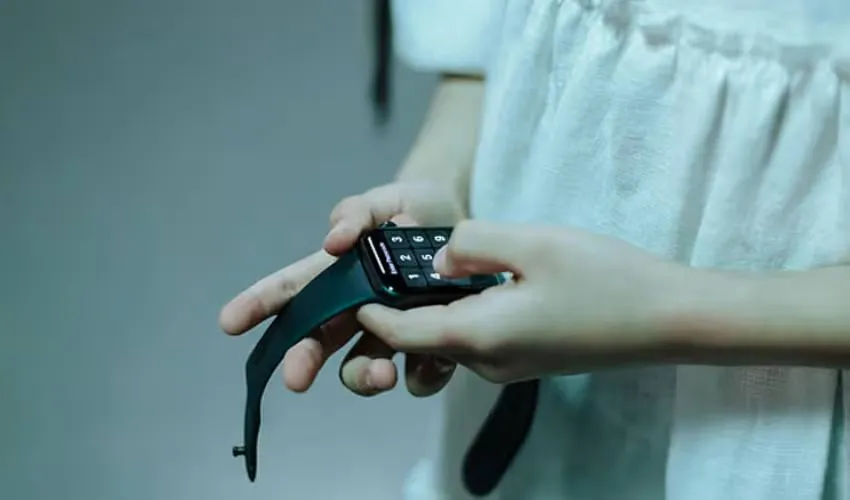
Smartwatches have evolved into powerful health-tracking devices, offering users insights into heart rate, sleep quality, stress levels, physical activity and recovery.
While these features can encourage healthier habits, medical experts caution that becoming overly dependent on wearable health metrics may contribute to a growing form of health anxiety.
According to health specialists, the concern is not the technology itself but the tendency to prioritise smartwatch readings over the body’s own signals and professional medical advice.
Health Data Should Guide, Not Control
Nergiza Neumann Zander, founder of X Technology, said wearable health data is valuable when it helps users make informed lifestyle choices. Problems arise, however, when daily scores begin influencing emotions, confidence and behaviour.
She noted that one common sign of unhealthy reliance is checking a smartwatch immediately after waking up instead of first paying attention to how the body actually feels.
Experts say wearable devices should complement personal awareness rather than replace it.
Why Some People Become Overly Dependent
Health professionals believe certain individuals are more susceptible to relying excessively on smartwatch data. People who naturally experience anxiety, strive for perfection or prefer having a high level of control may be more likely to interpret normal fluctuations in health metrics as signs of illness.
For example, a poor sleep score or a low recovery rating can create unnecessary concern even when no underlying medical condition exists.
Specialists emphasise that smartwatch algorithms provide estimates based on collected data patterns rather than comprehensive medical assessments.
“A low recovery score does not automatically indicate poor health,” experts explained, noting that wearable devices cannot measure every aspect of how the human body functions.
Daily Scores Can Influence Behaviour
Doctors warn that constantly monitoring health statistics may lead users to misinterpret routine physical changes.
Temporary fatigue, minor sleep disturbances or small variations in heart rate are normal and often caused by everyday factors. However, when a smartwatch labels these changes as “high stress” or “poor recovery,” some users may begin to believe something is seriously wrong.
This can affect daily decisions, with some people choosing to skip exercise, postpone important responsibilities or avoid physical activity simply because of a low recovery score despite feeling well.
Smartwatches Cannot Replace Medical Diagnosis
Dr. John Nicholas Strickling, consultant cardiologist at MedCare Al Safa, said wearable technology has helped increase public awareness about personal health but should never replace professional medical assessment.
He explained that smartwatches provide useful information about heart rate, sleep patterns and activity levels, but every reading should be interpreted within the context of a person’s overall medical history and current health.
Experts also pointed out that smartwatch measurements can be influenced by factors including:
- Poor sensor contact
- Body movement
- Dehydration
- Stress
- Caffeine consumption
- Environmental conditions
Because of these variables, doctors stress that only qualified healthcare professionals can diagnose medical conditions through proper examinations and appropriate diagnostic tests.
Focus on Long-Term Health, Not Daily Numbers
Health experts recommend that most healthy adults focus on long-term improvements in fitness, sleep quality and lifestyle rather than becoming fixated on daily scores.
People living with chronic conditions such as hypertension, diabetes or heart disease may benefit from tracking specific health indicators, but only under the guidance of a healthcare professional.
According to specialists, good health is reflected in consistent physical and mental well-being—not in achieving perfect smartwatch scores every day.
Signs You May Be Over-Relying on Your Smartwatch
Experts suggest reassessing your habits if you:
- Feel anxious when you cannot check your smartwatch.
- Let daily health scores affect your mood.
- Trust wearable data more than your own physical sensations.
- Feel guilty after receiving poor health scores.
- Avoid normal activities solely because of a low recovery score.
- Repeatedly check health metrics throughout the day.
While wearable technology can be a valuable tool for monitoring health and encouraging positive habits, experts say it should support—not replace—self-awareness and professional medical advice.
