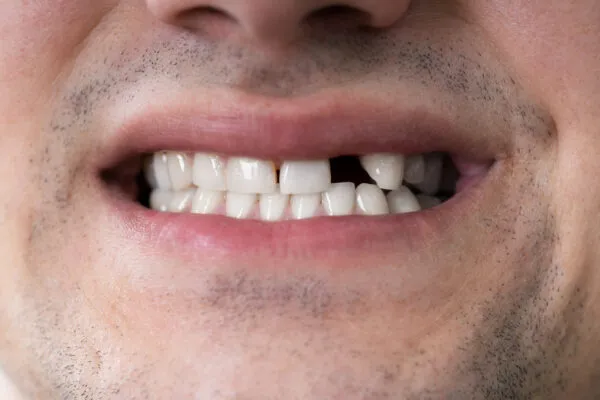
KYOTO: Japanese researchers have launched the world’s first human trial of a medicine that could enable people to grow missing teeth again, a development that may one day offer an alternative to dentures and dental implants.
According to researchers, the experimental drug, known as TRG-035, is being tested at Kyoto University Hospital. The medicine was developed by Japanese biotech startup Toregem BioPharma and is designed to reactivate dormant biological mechanisms involved in tooth development.
Health experts say humans typically develop two sets of teeth during their lifetime. However, scientific evidence suggests that unused tooth buds may still exist in the jaw.
The new drug aims to unlock this potential by targeting a protein that normally prevents additional teeth from forming after adulthood.
Researchers explained that TRG-035 works by blocking this protein, effectively removing the biological “brake” on tooth growth. By doing so, the body’s natural signaling pathways may be able to restart the tooth formation process.
The ongoing Phase I clinical trial began in late 2024 and involved 30 adult male participants who were missing at least one tooth.
According to trial investigators, the primary purpose of this early-stage study is to assess safety rather than effectiveness. Participants have now completed an 11-month monitoring period, while final safety data is still being evaluated.
Scientists involved in the trial said adult participants are not expected to regrow teeth at this stage. Instead, the findings will determine whether the treatment can safely move to the next phase of testing.
Also read: Japan Approves Groundbreaking Stem-Cell Therapies for Parkinson’s and Heart Failure
The science behind the drug originated from animal studies. Researchers previously found that mice engineered without the tooth-inhibiting protein developed extra teeth.
Follow-up experiments in mice and ferrets showed that a single antibody injection could stimulate the growth of fully functional teeth without major side effects.
If safety results remain positive, the next phase will focus on children aged two to seven who were born with missing teeth, particularly those missing six or more teeth due to congenital conditions. Experts believe younger patients are more likely to benefit from the treatment.
According to Toregem BioPharma, the company aims to make the drug commercially available by 2030, subject to successful clinical trials and regulatory approvals.
Initially, the treatment will be limited to congenital cases, with plans to expand its use to adults who lost teeth due to decay, injury, or aging.
Dental specialists say the successful development of a tooth regrowth medicine could significantly improve chewing ability, nutrition, and overall quality of life, especially for older adults. If proven effective, the treatment could mark a major shift in global dental care and restorative medicine.
