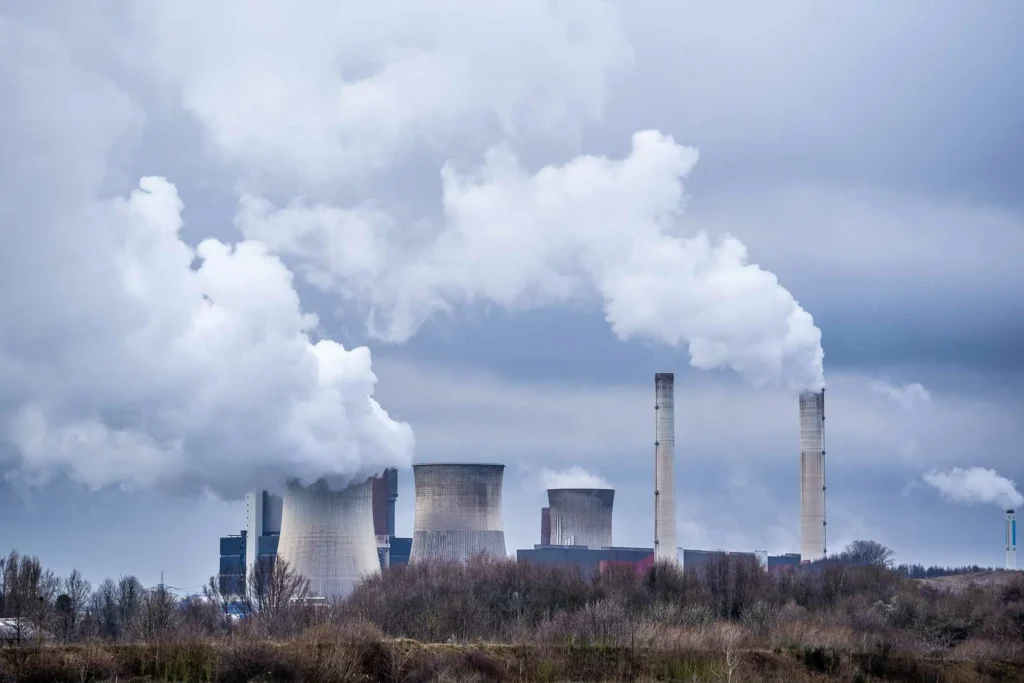
A large-scale scientific study has identified a troubling link between air pollution and kidney disease, adding to growing evidence that polluted air damages far more than just the lungs and heart.
The research, conducted in São Paulo, Brazil, over a ten-year period from 2011 to 2021, analysed medical records from nearly 37,000 people.
The findings point to a clear pattern. Long-term exposure to polluted air was consistently associated with higher rates of chronic kidney disease, sudden kidney failure, increased hospital admissions, and kidney-related deaths.
What makes the findings particularly alarming is that the risk was not limited to the elderly. Adults between the ages of 19 and 50 already showed a measurable increase in kidney disease linked to air pollution.
However, the danger rose sharply among those aged 51 to 75, where the likelihood of kidney-related complications was almost two and a half times higher. Men were also found to face a greater risk of hospitalisation than women.
According to research professor Lucia Andrade, the mechanism behind the damage is increasingly clear. Fine particulate matter present in polluted air is small enough to pass through the lungs into the bloodstream.
Once circulating, these particles can lodge in kidney tissue. The immune system treats them as foreign invaders, triggering chronic inflammation, scarring of kidney tissue, accelerated cellular aging, and gradual loss of kidney function.
One of the most serious concerns highlighted by researchers is that kidney disease often progresses silently. Many patients remain unaware of the damage until kidney function is already severely compromised, making prevention and early intervention far more difficult.
The study also revealed that average pollution levels in São Paulo during the research period were nearly three times higher than limits recommended by the World Health Organization. Yet even more concerning, researchers found that kidney-related hospitalisations increased even when pollution levels fell within ranges often considered acceptable by international standards.
Lead author Dr Iara da Silva stressed that these findings challenge current assumptions about “safe” air quality. Her conclusion was direct. Existing pollution thresholds may not be sufficient to protect kidney health, and stricter environmental regulations are urgently needed.
The study strengthens calls for tougher air quality controls and reinforces the idea that reducing pollution is not only an environmental issue but also a critical public health priority.
As urban populations grow and exposure continues, the burden of pollution-related kidney disease could rise sharply unless meaningful action is taken.
About Tamoor Ahmed

Tamoor Ahmad has been covering politics since 2022.
