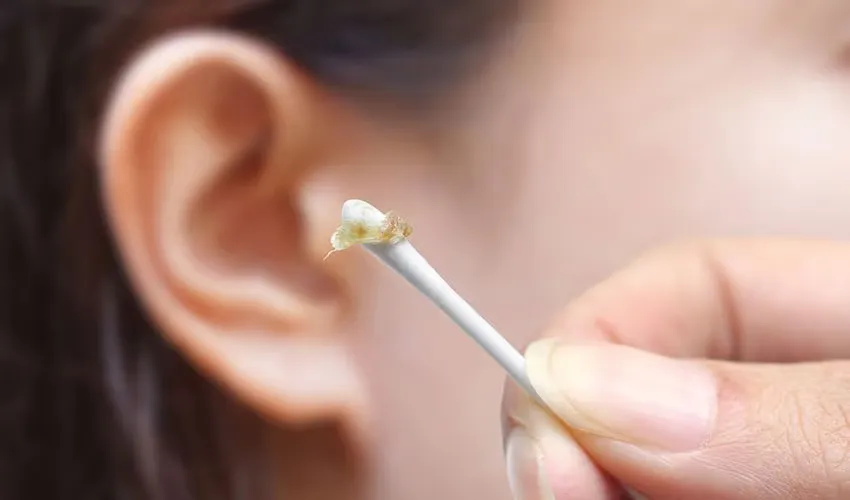
Earwax may appear to be a minor bodily substance, but medical experts say it can sometimes offer clues about a person’s overall ear health and, in rare cases, underlying medical conditions.
Known medically as cerumen, earwax plays a vital role in protecting the ear canal. It traps dust, bacteria, and other harmful particles while keeping the ear moisturised and clean.
According to audiologists, changes in earwax colour, texture, or smell should not always be ignored, especially when accompanied by pain or hearing problems.
Why Earwax Matters
Doctors explain that earwax is produced naturally by glands in the ear canal. In most cases, it clears out on its own. However, unusual changes can sometimes signal infection, injury, or improper ear-cleaning habits.
Different Earwax Colours and What They Mean
Yellow or Light Brown – Healthy Ear Function
Light brown, yellow, or orange earwax is considered normal. It usually indicates healthy ear function and an effective self-cleaning process inside the ear canal.
Dark Brown – Old Wax Build-Up
Dark brown earwax often means it has remained in the ear for a long time and collected dust and debris. While generally harmless, excessive build-up can cause blockage or temporary hearing issues. Experts say frequent use of earphones or earbuds may contribute to this problem.
Red or Reddish-Brown – Possible Bleeding
Red-tinged earwax may indicate bleeding inside the ear canal. This is commonly caused by minor injuries from cotton buds or sharp objects. In some cases, it can also point to a ruptured eardrum or infection and requires medical evaluation.
Green or Cream-Coloured – Infection Warning
Green or cream-coloured discharge often signals an ear infection and may contain pus. Doctors say it is usually linked with symptoms such as ear pain, dizziness, swelling, or fluid leakage and should be checked promptly.
Foul-Smelling Earwax – Bacterial or Fungal Infection
A strong or unpleasant smell may suggest trapped moisture leading to bacterial or fungal growth. This can also be associated with ringing in the ears, pressure, or a blocked sensation.
Dry and Powdery Earwax – Age or Skin Conditions
Dry or flaky earwax is more common among older adults due to reduced gland activity. However, when combined with itching, pain, redness, or hearing loss, it may indicate skin conditions such as eczema or infection.
Also read: Date Fruit Health Benefits for Heart and Blood Sugar
Emerging Medical Research
Researchers are also studying earwax for its potential role in early disease detection. Preliminary studies suggest that cerumen may contain chemical markers linked to conditions such as depression and Parkinson’s disease. While this research is still in early stages, it highlights growing scientific interest in earwax as a possible diagnostic tool.
When to See a Doctor
Medical experts advise seeking professional care if earwax changes are persistent or accompanied by pain, dizziness, discharge, or hearing loss. Self-cleaning with cotton buds is discouraged, as it often pushes wax deeper into the ear.
Doctors stress that while earwax can provide useful health clues, it should never be used alone to diagnose medical conditions without proper clinical assessment.
