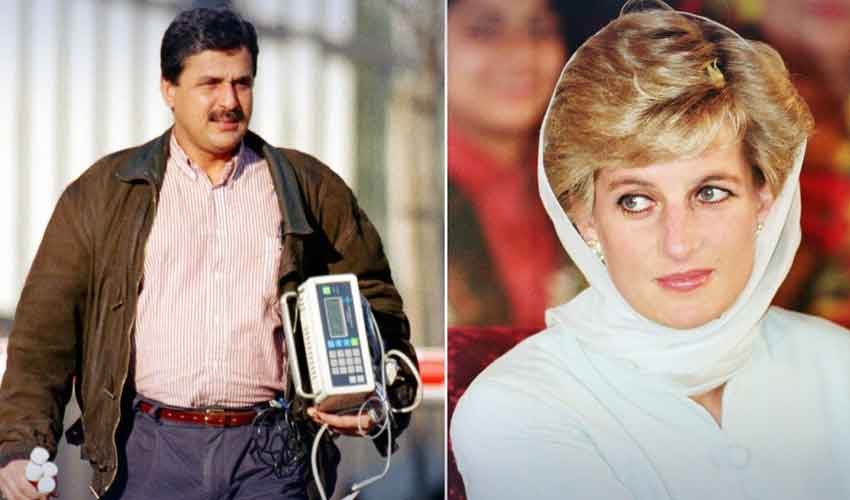
Dr Hasnat Khan has returned to Pakistan after a long and distinguished medical career in the United Kingdom, taking on a senior leadership position at one of Lahore’s upcoming cardiac facilities.
He has been appointed as the head of the Jinnah Institute of Cardiology in Lahore, where he will serve in a dual role as chief executive officer and dean.
The appointment places the internationally recognized cardiologist at the centre of Pakistan’s growing focus on advanced cardiology healthcare development, particularly as the country continues to expand specialized treatment infrastructure for heart disease.
Officials associated with the project confirmed that the Jinnah Institute of Cardiology Lahore is currently in its final stages of preparation. Recruitment and administrative setup are already underway, suggesting the hospital is moving closer to becoming operational.
Once functional, it is expected to serve as a major Lahore cardiac hospital project aimed at improving access to modern heart treatment services.
Also read: Who is Dr Hasnat Khan and his relationship with Princess Diana?
Dr Khan’s return is being viewed as a significant development in Pakistan’s healthcare sector. Born in Jhelum in 1958, he began his medical education at King Edward Medical College before moving to the United Kingdom, where he built a highly respected career in cardiology.
Over the years, he worked at the Royal Brompton Hospital in London, one of the most prestigious heart and lung institutions in the UK, gaining extensive experience in clinical practice and cardiac research.
His professional profile also gained global attention in 1995 when Diana, Princess of Wales, visited the Royal Brompton Hospital. During her visit, she met Dr Khan, and their interaction later became widely discussed internationally.
Princess Diana reportedly referred to him as “Mr Wonderful,” a detail that contributed to his public recognition beyond the medical field.
Now returning to Pakistan, Dr Hasnat Khan’s appointment as CEO and dean of the Jinnah Institute of Cardiology is expected to strengthen institutional leadership in the country’s growing healthcare system.
Also read: Why Dr. Hasnat rejected Princess Diana?
Health experts believe his international exposure and experience in advanced cardiac care systems could help improve training standards, patient care protocols, and hospital management practices.
The move also highlights increasing efforts within Pakistan to bring back globally trained specialists as part of broader healthcare reform and infrastructure expansion.
With Pakistan cardiology healthcare development becoming a priority, institutions like the Jinnah Institute are expected to play a key role in addressing rising cardiovascular disease cases.
Once operational, the hospital is expected to emerge as an important referral center for complex heart treatments in Lahore, supporting both public demand and specialist care needs under one facility.
