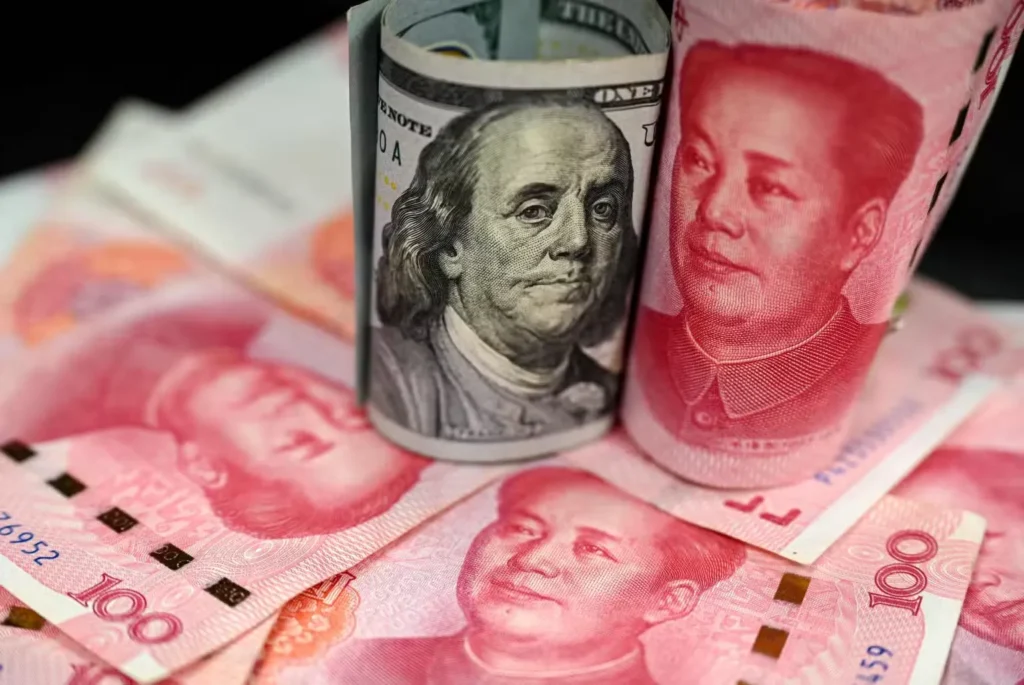
Pakistan has secured assurances from China and Kuwait to extend loans worth a combined $4.3 billion, providing additional flexibility to manage its external debt obligations of approximately $21.5 billion during the current fiscal year.
The expected arrangements include a $4 billion rollover from China and a further $300 million extension from Kuwait. The development follows Saudi Arabia’s decision to extend its $3 billion financing facility, bringing the total expected bilateral loan rollovers from the three countries to $7.3 billion.
According to sources in Pakistan’s Ministry of Finance, the Chinese loan is expected to be rolled over in March 2027. The financing arrangements involving China, Kuwait and Saudi Arabia are expected to provide repayment extensions of approximately one year.
The assurances are expected to ease immediate pressure on Pakistan’s external financing requirements, although the extensions will not reduce the country’s outstanding debt.
Pakistan’s External Debt Repayments Reach $21.5 Billion
Pakistan faces external debt servicing obligations of approximately $21.5 billion during the fiscal year 2026-27, including principal repayments and interest payments.
According to Finance Secretary Imdadullah Bosal’s briefing to the Senate Standing Committee on Finance, the country’s external financing requirements include approximately $17.5 billion in principal repayments and $4 billion in interest payments.
Of the principal amount, around $7.3 billion is expected to be covered through bilateral rollover arrangements involving China, Saudi Arabia and Kuwait.
Separately, the government is managing other external financing obligations through refinancing and international capital market operations.
The rollover arrangements are particularly significant because they allow Pakistan to defer payments falling due during the fiscal year, reducing the immediate demand for foreign currency.
Saudi Arabia Extends $3 Billion Financing Facility
Saudi Arabia has also agreed to extend its $3 billion financing facility, providing additional support to Pakistan’s external account.
Finance Minister Muhammad Aurangzeb confirmed the development while speaking to journalists at Parliament House. He said the facility had been extended for a reasonable period, although he did not disclose the revised maturity date.
The Saudi financing had matured on October 31, 2026, before the extension was confirmed.
Pakistan has maintained substantial financial arrangements with Riyadh, Beijing and Kuwait as part of its efforts to manage external debt repayments and maintain adequate foreign exchange reserves.
Pakistan Expects $1.21 Billion IMF Disbursement
Alongside bilateral financing support, Pakistan is expecting approximately $1.21 billion from the International Monetary Fund (IMF) in December 2026.
Finance Minister Muhammad Aurangzeb has indicated that the IMF Executive Board is expected to consider the next disbursement in December.
The anticipated funding is linked to Pakistan’s ongoing IMF programme and remains subject to the Fund’s approval process.
The IMF programme remains an important component of Pakistan’s economic stabilisation strategy, particularly in strengthening external buffers, maintaining fiscal discipline and supporting structural economic reforms.
Official programme assessments and financing details are available through the IMF’s Pakistan country information portal.
Loan Rollovers Provide Relief but Do Not Eliminate Debt
The expected $7.3 billion in bilateral loan extensions will help Pakistan manage its near-term external payment obligations. However, a rollover should not be confused with fresh financial assistance or debt cancellation.
Under a rollover arrangement, an existing loan or deposit is extended beyond its original maturity date. This allows the borrower to postpone repayment while the underlying financial obligation remains in place.
Pakistan’s continued reliance on bilateral rollovers highlights the importance of improving export earnings, attracting foreign investment and developing sustainable sources of external financing.
The government is also seeking to strengthen foreign exchange reserves and reduce refinancing risks by managing the maturity structure of its external debt.
The latest assurances from China and Kuwait, together with Saudi Arabia’s extension and the anticipated IMF disbursement, are expected to provide additional flexibility as Pakistan works to meet its external financing requirements during FY2026-27.
