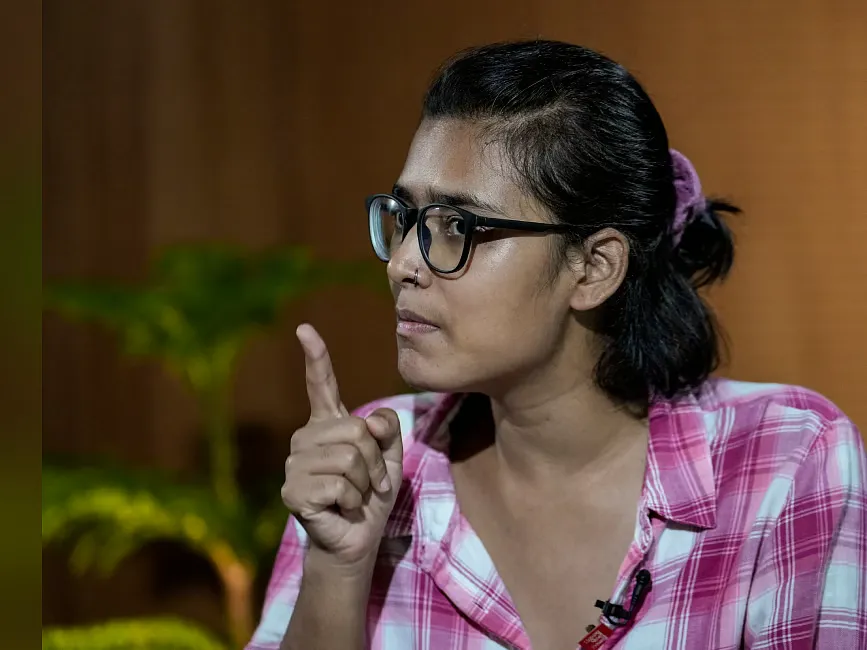
Neha Bora, a 29-year-old doctoral student and national president of the All India Students’ Association (AISA), has emerged as a prominent voice in India’s youth protest movement, drawing attention through her speeches, repeated detentions and calls for greater government accountability.
Her growing profile comes amid demonstrations over alleged electoral irregularities, examination paper leaks and limited employment opportunities. The protests have brought student activists into confrontation with authorities, highlighting wider concerns among sections of India’s younger population.
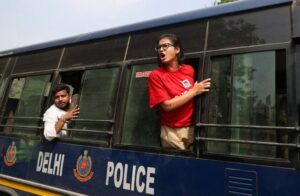
Bora was among several activists detained during a recent demonstration in New Delhi organised by the youth group known as the Cockroach Janta Party. The protesters are demanding the removal of Chief Election Commissioner Gyanesh Kumar, alleging irregularities in voter records that they say have undermined confidence in the electoral process.
The Election Commission has denied favouring any political group, while the ruling Bharatiya Janata Party (BJP) has accused its opponents of attempting to discredit legitimate electoral procedures.
Neha Bora Calls for Protests to Continue After Detention
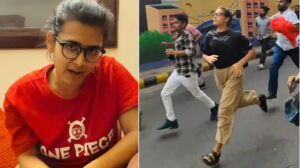
Police reportedly blocked the demonstrators from proceeding towards Jantar Mantar, a designated protest site in New Delhi. Bora subsequently urged supporters to assemble at Dilli Haat, a craft market in the capital.
“Dilli Haat becomes Jantar Mantar today,” she wrote on social media before joining the demonstrators.
Police later detained Bora alongside other activists. Despite being in custody, she continued encouraging supporters through a video message.
“I am in detention. The movement is not,” she said, urging demonstrators to continue their campaign even if authorities prevented them from gathering at their intended locations.
Bora was released later that day, according to the account provided. The circumstances of the detention and the legal grounds for the police action should be confirmed through official records or statements.
Electoral Concerns and Youth Unemployment Fuel Discontent
The demonstrations reflect several issues that have become central to student activism in India, including allegations of examination paper leaks, concerns about employment opportunities and opposition to police action against protesters.
The activists are seeking the resignation of Chief Election Commissioner Gyanesh Kumar over alleged irregularities in voter records. These remain allegations advanced by the protesters, rather than findings established by the information provided.
The Election Commission’s denial and the BJP’s response form an important part of the dispute. Assessing the claims would require examining the specific voter-record allegations, the evidence presented by campaigners and any relevant findings or responses from election authorities.
For Bora, the demonstrations represent more than opposition to a single official or policy. She argues that accumulated frustration among young people has encouraged them to demand greater accountability from public institutions.
Her speeches, delivered in Hindi and English, frequently address constitutional rights, social inequality and the responsibilities of government institutions. Videos of her public appearances have circulated online, expanding her visibility among student activists and other supporters.
From Theatre to Student Activism
Born in Uttarakhand, a Himalayan state in northern India, Bora spent much of her childhood moving between places because her father served in the Indian Army.
She later attended Delhi University before beginning doctoral research at the School of Arts and Aesthetics at Jawaharlal Nehru University.
Bora has described theatre as an important influence on her development. During her undergraduate years, she joined a theatre group that exposed her to people from different backgrounds and encouraged her to consider how individual experiences shape beliefs and behaviour.
Her involvement in activism deepened during protests against India’s citizenship law in 2019 and 2020. Critics of the legislation argued that it discriminated against Muslims, while the government defended its approach to citizenship and the treatment of persecuted minorities.
Bora said the student demonstrations during that period helped her understand how ideas encountered through books, films and documentaries could translate into collective political action.
Paper Leak Protests Expand Her Public Profile
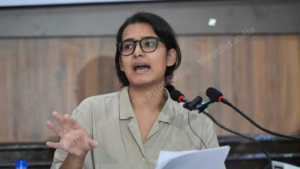
Bora gained wider attention during protests in July over alleged examination paper leaks. She joined other student activists in demanding the education minister’s resignation and criticising the government’s response to demonstrators.
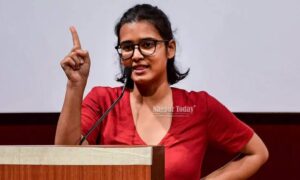
Videos of her speeches at Jantar Mantar subsequently circulated widely online, contributing to her growing recognition within the student protest movement.
Her repeated detentions during demonstrations demanding the chief election commissioner’s resignation have added to that visibility. For supporters, her continued participation reflects a willingness to challenge authorities. The detentions also raise questions about the circumstances in which police restrict or disperse demonstrations.
The legal basis for individual detentions, the conduct of police and the handling of protest-related complaints must be assessed on the evidence available in each case.
Bora Says Hope Is Driving Young Protesters
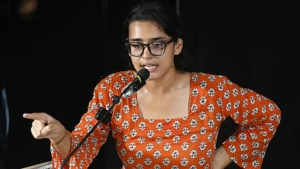
Bora believes the current demonstrations cannot be explained by political ideology alone. She argues that years of disappointment have encouraged young people to speak publicly about their concerns, while a growing sense of collective possibility has helped sustain participation.
“Fear is infectious, of course. But hope is also infectious,” she said.
Her rise illustrates how student organisers can gain national attention through public speeches, street demonstrations and social media. Whether the movement produces policy changes or institutional action remains uncertain.
For now, the protests continue to bring electoral accountability, education concerns and youth employment into public debate. The claims made by demonstrators, the responses of authorities and the outcomes of any formal investigations will be important in determining how the dispute develops.
About Tamoor Ahmed

Tamoor Ahmad has been covering politics since 2022.
