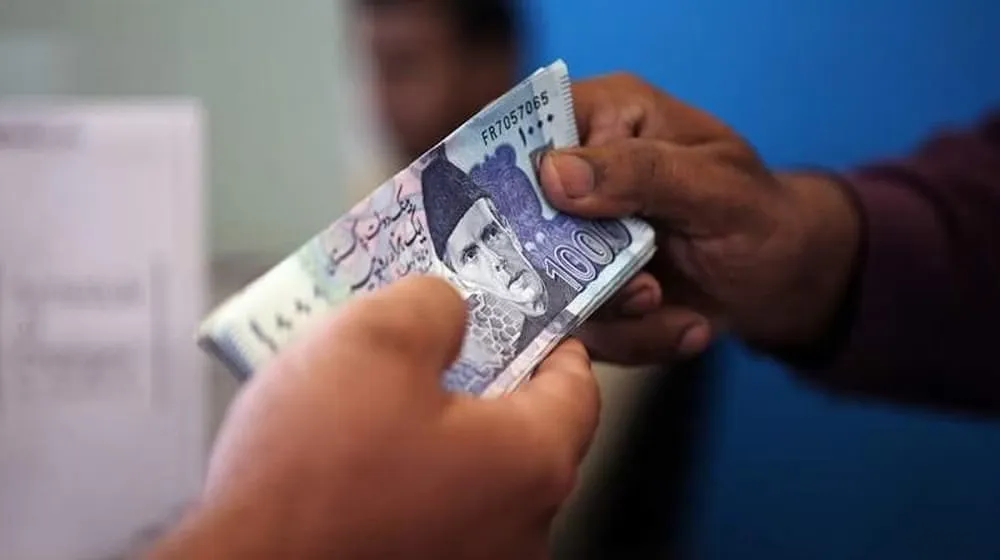
Pakistan’s salaried class contributed an additional Rs. 2 billion in tax revenue during the first month of the new fiscal year, with collections from salaried individuals rising to Rs. 44 billion in July 2026, up from Rs. 42 billion in the same month last year.
According to data compiled by the Federal Board of Revenue (FBR), the salaried class’s tax contribution has continued climbing despite the government’s repeated claims of offering relief to salaried individuals through reduced and rationalized income tax rates.
A Steady Two-Year Climb
The data shows the salaried class contributed around Rs. 30 billion in July 2024, meaning collections from this segment have risen substantially over the past two years. Salaried individuals primarily pay income tax through withholding at source, with employers deducting tax directly from salaries and depositing it with the FBR. This withholding functions as advance tax collection, later adjusted against a taxpayer’s final annual liability.
The continued rise in collections from this segment carries added weight given the government’s broader push to widen the tax base, since salaried workers remain among the most easily documented taxpayers due to automatic deduction at source.
Property Transaction Taxes Add Rs. 15.5 Billion
Separately, withholding tax collected under Section 236C of the Income Tax Ordinance, 2001 — which applies to advance tax collected from sellers or transferors of immovable property — totaled Rs. 11 billion in July 2026. Section 236K, which applies to the buyer or transferee side of the same transactions, brought in a further Rs. 4.5 billion during the same month.
Combined, collections under Sections 236C and 236K reached Rs. 15.5 billion in July 2026, underscoring how much property transactions now contribute to withholding tax revenue. Both sections function as advance income tax provisions tied to immovable property deals, with applicable rates depending on the tax regime and the taxpayer’s filer status.
Property Transactions Jump 50% Year-on-Year
The number of recorded property transactions also rose sharply in the new fiscal year’s opening month. FBR data shows roughly 90,000 property transactions were recorded in July 2026, compared to approximately 60,000 in July 2025 — an increase of 30,000 transactions, or 50 percent, year-on-year.
That jump is notable given the government’s ongoing effort to encourage documented real estate transactions and strengthen revenue collection through withholding mechanisms.
The rise in transaction volume also coincided with changes to the advance tax regime for property deals, which were designed to ease the tax burden and stimulate activity in the real estate market.
The FBR has separately clarified that Sections 236C and 236K apply to advance income tax on property sales and purchases, respectively, and has confirmed specific facilitation allowing eligible overseas Pakistanis holding a POC or NICOP — who meet the prescribed non-resident conditions — to access the applicable filer tax rate.
