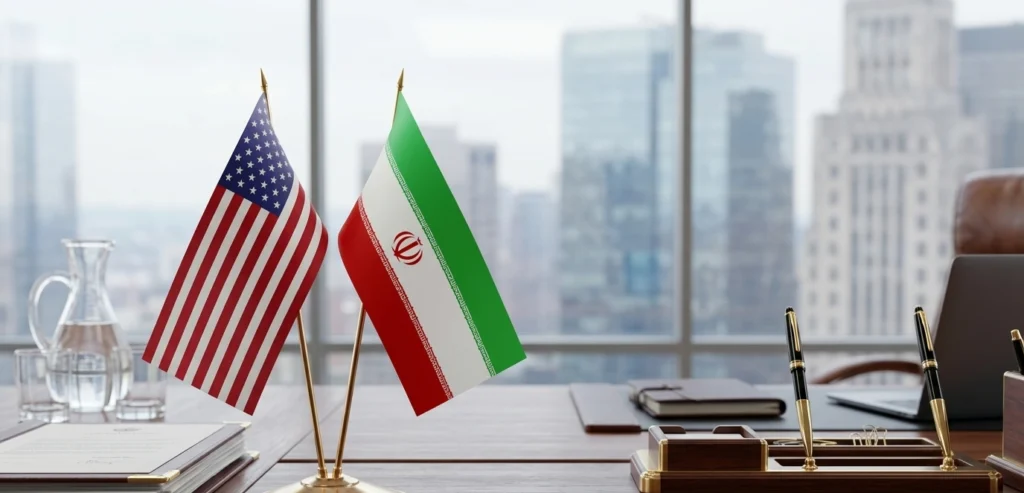
Iran has delivered a new diplomatic proposal to the United States through Pakistani intermediaries, seeking to reopen the Strait of Hormuz and bring an end to the war, while deferring nuclear negotiations to a later stage, according to a report by Axios.
The initiative comes as US-Iran diplomacy remains frozen and global attention intensifies over the continued closure of the strategic waterway, a vital route for global oil and gas shipments. The standoff has already triggered volatility in energy markets and heightened geopolitical tensions.
Proposal prioritizes ceasefire and maritime access
Citing a US official and two individuals familiar with the matter, Axios reported that Tehran’s proposal places immediate emphasis on reopening the Strait of Hormuz and securing a sustained ceasefire. Talks over Iran’s nuclear program would only begin after maritime access is restored and hostilities formally subside.
The message was conveyed to Washington via Pakistan, which has taken on an increasingly prominent role as an intermediary between Tehran and Washington amid the diplomatic impasse.
Strategic shift by Tehran
Analysts view Iran’s approach as a tactical attempt to separate the urgent economic and security crisis surrounding Hormuz from the far more contentious nuclear file. By doing so, Tehran may be aiming to secure rapid de-escalation while postponing politically divisive nuclear concessions.
However, US officials quoted by Axios suggested the move could undercut Washington’s negotiating leverage. The US naval blockade and the broader war effort have been central tools used by President Donald Trump to pressure Iran into curbing uranium enrichment and exporting its stockpile of enriched material.
Also read: US to Continue Maximum Pressure on Iran, Says Treasury Chief
Washington has repeatedly demanded that Iran suspend uranium enrichment for at least ten years and remove enriched uranium from its territory — conditions that remain deeply controversial inside Iran.
Divisions inside Iran’s leadership
According to sources familiar with the discussions, Iranian Foreign Minister Abbas Araghchi told mediators from Pakistan, Egypt, Turkey and Qatar that Iran’s leadership has not reached consensus on how to respond to US nuclear demands.
Those internal divisions have emerged as a key factor behind the stalled negotiations, with hardliners and pragmatists split over the scope of concessions Iran should offer.
Ceasefire extension under consideration
The proposal reportedly calls for either a long-term extension of the current ceasefire or a formal agreement to permanently end the conflict. Only after such an agreement — and the lifting of the US blockade — would nuclear negotiations resume.
The White House has confirmed receipt of the proposal but has not indicated whether it is prepared to engage with the framework. Trump is expected to convene a Situation Room meeting with senior national security officials to review options, Axios reported.
Trump signals continued pressure
In recent interviews, Trump suggested he favors maintaining the naval blockade, which has sharply restricted Iran’s oil exports. Speaking on Fox News, he argued that prolonged economic pressure could force Tehran to soften its position in the coming weeks.
Trump warned that Iran’s economy could reach a breaking point if exports remain blocked, adding that Iranian officials face narrowing options as pressure mounts.
Diplomatic efforts falter in Pakistan
The latest proposal follows a series of inconclusive diplomatic meetings. Araghchi visited Islamabad over the weekend for talks that failed to produce a breakthrough. Planned meetings between Iranian officials and Trump envoys Steve Witkoff and Jared Kushner were ultimately scrapped after Tehran declined to commit.
Trump later said he saw no value in sending senior envoys on long-haul flights without clear progress, insisting that Iran could engage through direct communication if it wished.
Araghchi subsequently traveled to Muscat for discussions with Omani officials focused on Hormuz before returning to Islamabad for further consultations.
Pakistan’s expanding mediation role
Pakistan has now emerged as the central conduit for messages between Iran and the United States, coordinating closely with regional partners including Egypt, Turkey and Qatar.
Also read: Houthis Threaten to Close Bab el-Mandeb as Iran Tightens Control of Strait of Hormuz
White House spokesperson Olivia Wales declined to comment on the specifics of the proposal, emphasizing that sensitive diplomatic negotiations would not be conducted publicly. She reiterated that Washington would not accept any agreement that allows Iran to obtain a nuclear weapon.
Global stakes remain high
The Strait of Hormuz handles roughly a fifth of the world’s oil trade, and its continued disruption has placed global energy markets on edge. Iran’s proposal places reopening the waterway at the heart of de-escalation efforts, portraying maritime security as the gateway to broader peace talks.
For Washington, however, agreeing to lift pressure without nuclear guarantees risks weakening its bargaining position — setting the stage for a difficult decision as the crisis reaches a critical phase.
