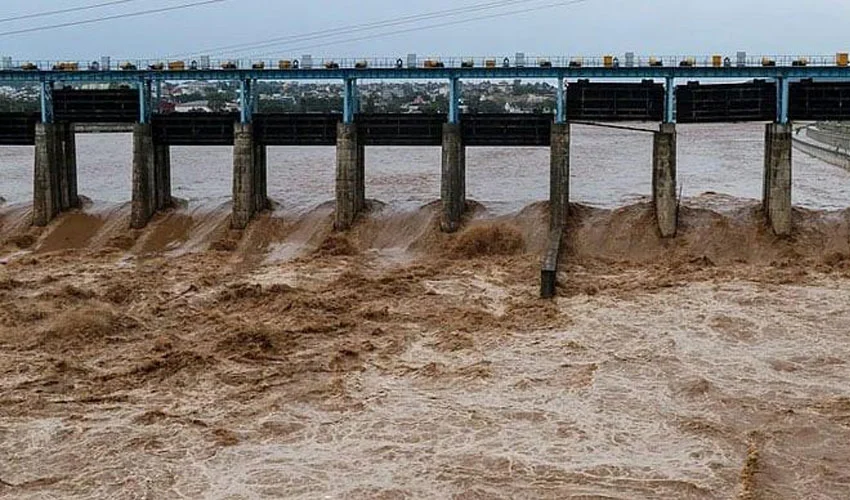
Around 3.3 million jobs were affected by floods in Pakistan, with rural workers and the agriculture sector bearing the brunt of the damage, according to a new assessment by the International Labour Organisation.
The assessment, conducted across 14 of the worst-affected districts in Punjab and Khyber Pakhtunkhwa, highlights the scale of employment disruption caused by widespread flooding. Punjab accounted for the majority of job losses, with nine severely affected districts recording the highest concentration of livelihood damage.
The report shows that nearly 78 percent of total employment losses occurred in rural areas, underlining the vulnerability of communities dependent on farming and informal work. The agriculture sector emerged as the hardest hit, followed by services and industry, as floods disrupted crop cycles, supply chains, and small businesses across affected regions.
According to the ILO, while provincial compensation and relief efforts helped families with immediate resettlement needs, they were insufficient to fully restore livelihoods. Many households continue to face income insecurity, particularly self-employed workers, daily wage earners, and small farmers.
The organisation has called for broader employment recovery support, including cash-for-work programmes, skills training initiatives, and subsidised credit facilities for small-scale farming and non-farm enterprises. These measures, the report notes, could help revive local economies while creating short-term employment opportunities.
Commenting on the findings, Chaudhry Salik Hussain, Minister for Overseas Pakistanis and Human Resource Development, said the floods had disproportionately impacted vulnerable rural households. He stressed the need for targeted employment recovery programmes to help communities regain stable sources of income.
He added that the federal ministry, in coordination with provincial governments and development partners, is working on employment-intensive recovery initiatives aimed at restoring livelihoods and strengthening economic resilience in flood-affected areas.
Meanwhile, Geir Tonstol, Country Director of ILO Pakistan, emphasised that restoring employment must remain central to post-disaster recovery efforts. He warned that climate-related disasters such as floods are increasing economic vulnerability and require faster, more coordinated responses.
Tonstol also urged authorities to revive the World of Work Crisis Response Strategy, initially developed after the 2022 floods, to ensure future disaster responses prioritise job protection, income recovery, and long-term resilience.
The report reinforces growing concerns that without sustained labour-focused recovery policies, climate disasters will continue to erode livelihoods—particularly in Pakistan’s rural and agriculture-dependent regions.
