India signs $100bn free trade agreement with four European nations. India has sealed a significant free trade agreement (FTA) with the European Free Trade Association (EFTA), marking a major milestone in the country’s economic landscape.
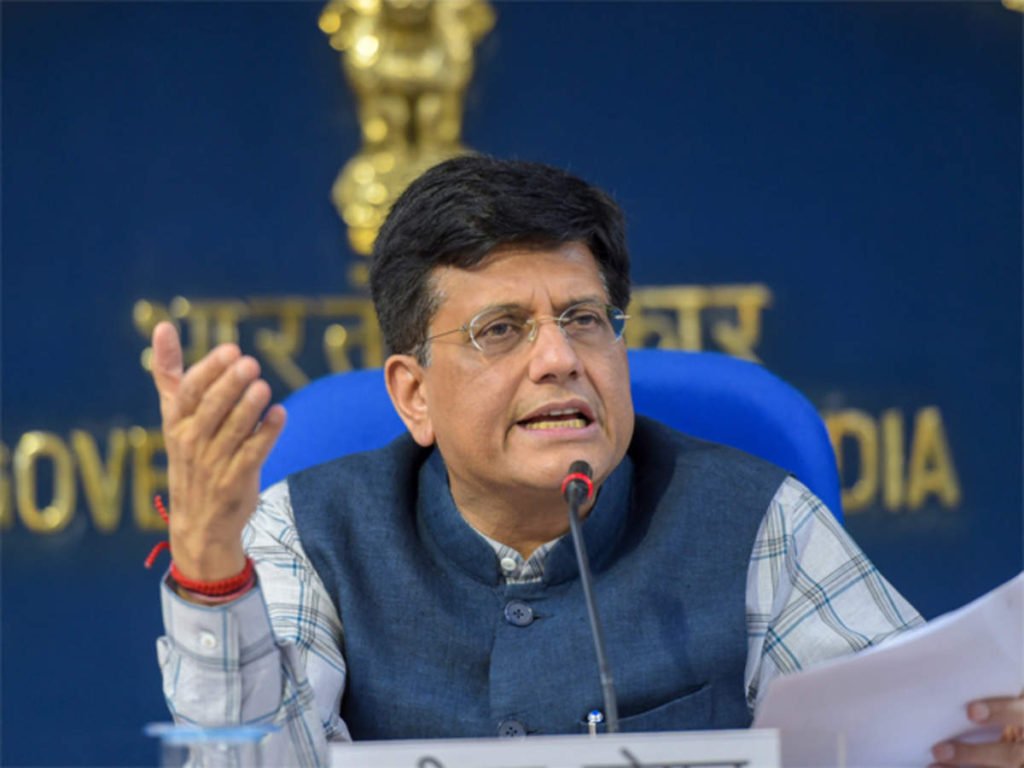
The deal, anticipated to draw around $100 billion in investments, was announced by India’s Trade Minister Piyush Goyal.
This agreement with the EFTA, comprising Norway, Switzerland, Iceland, and Liechtenstein, arrives amidst prolonged negotiations between India and the United Kingdom for an FTA over the past two years, as reported by the BBC.
Prime Minister Narendra Modi hailed the pact as a testament to India’s commitment to fostering economic progress and providing opportunities for its youth.
Also read: Maldives to get free military assistance from China amid row with India
“This landmark pact underlines our commitment to boosting economic progress and creating opportunities for our youth,” Prime Minister Narendra Modi said in a statement.
“The times ahead will bring more prosperity and mutual growth as we strengthen our bonds with EFTA nations,” he added.
Under the terms of the deal, India will eliminate key tariffs on industrial goods from the four EFTA nations, reciprocated by 15-year investments across vital sectors such as pharmaceuticals, machinery, and manufacturing. These negotiations have reached fruition after almost 16 years of deliberations.
“The agreement enhances market access and simplifies customs procedures making it easier for Indian and EFTA businesses to expand their operations in the respective markets,” the EFTA said in a statement.
The EFTA emphasized that the agreement significantly improves market access and streamlines customs procedures, thereby facilitating smoother expansion of operations for Indian and EFTA businesses in their respective markets.
Before the agreement can take effect, it requires ratification by India and the four EFTA nations. Switzerland has set its sights on completing this process by next year.
India, amidst preparations for general elections this year, has recently inked trade pacts with Australia and the United Arab Emirates, bolstering its economic engagements on the global stage.
As India signs $100bn free trade agreement with four European nations, in regards to negotiations with the UK, Kemi Badenoch, the UK’s trade minister, acknowledged the challenges ahead, suggesting that reaching a free trade deal before India’s elections might prove to be a formidable task.
“I suspect that that is not necessarily going to be the case because I don’t want to use any election as a deadline,” she added.
She underscored the importance of refraining from setting election deadlines for trade negotiations, recognizing the complexity involved in such agreements.
