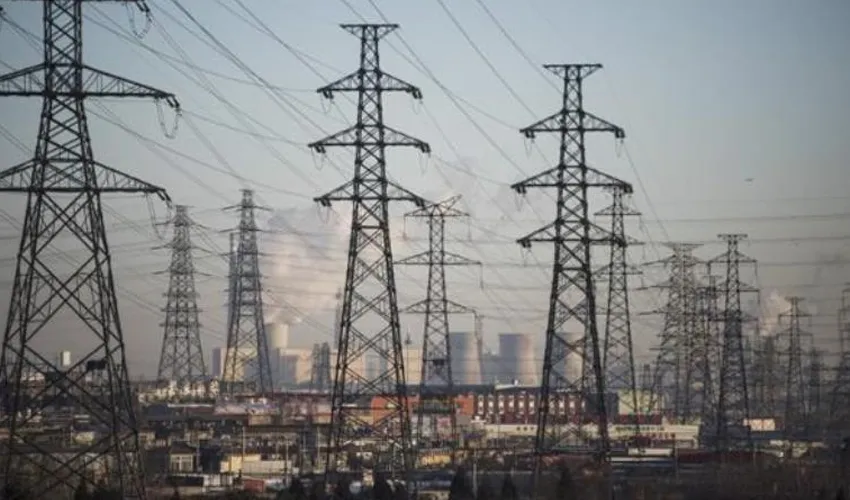
The federal government’s plan to privatize Faisalabad Electric Supply Company (FESCO), Gujranwala Electric Power Company (GEPCO), and Islamabad Electric Supply Company (IESCO) has received strong interest from local and international investors. However, potential buyers say they will only participate if the government introduces longer tariff guarantees, stronger legal protections, and greater operational flexibility.
The feedback is significant because the successful privatization of these power distribution companies is a key part of Pakistan’s broader energy sector reforms aimed at improving efficiency, reducing losses, and easing the financial burden on the national exchequer.
Key Details
An investor feedback report prepared for the Privatization Commission after investment roadshows in Pakistan, Türkiye, Saudi Arabia, and China outlined several concerns that investors want resolved before submitting formal bids.
Investors seek longer tariff guarantees
One of the biggest demands is an extension of the Multi-Year Tariff (MYT) framework.
Currently, electricity distribution companies receive tariff approvals for five years. Investors have proposed extending this period to seven to ten years, arguing that a longer tariff regime provides greater certainty for infrastructure investments and long-term planning.
They also recommended gradually replacing Pakistan’s uniform electricity tariff with company-specific tariffs based on the operational performance and efficiency of each distribution company.
Regulatory certainty tops investor concerns
Investors warned that future policy changes, court rulings, or government decisions could alter agreed tariff structures after privatization.
To reduce this risk, they urged the government to:
- Extend the multi-year tariff period from five to 7–10 years.
- Provide legal guarantees protecting tariff agreements.
- Finalize capital expenditure (CapEx) plans before bidding.
- Ensure timely tariff determinations by the power regulator.
- Introduce company-specific tariffs based on efficiency.
Greater ownership and operational freedom requested
Several investors also sought greater flexibility regarding ownership.
According to the report, many prospective buyers prefer acquiring 100 percent ownership of distribution companies and want permission to purchase stakes in more than one utility, subject to competition regulations.
Some participants suggested the government retain a minority stake in IESCO, citing its significant number of federal government consumers.
Investors also opposed inheriting expensive legacy obligations related to Independent Power Producers (IPPs) and called for the freedom to procure electricity from competitive suppliers under future market reforms.
New business opportunities identified
Beyond electricity distribution, investors highlighted several additional revenue opportunities, including:
- Smart metering projects
- Electric vehicle (EV) charging infrastructure
- Leasing telecom infrastructure
- Digital grid modernization
They requested clear government policies on revenue-sharing mechanisms for these emerging businesses.
Background
Pakistan has accelerated plans to privatize selected electricity distribution companies as part of broader structural reforms supported by international financial institutions.
The objective is to improve operational efficiency, reduce electricity theft and transmission losses, strengthen bill recoveries, and attract private investment into the country’s aging power infrastructure.
Unlike previous privatization efforts, the current process is designed to attract strategic investors with experience in electricity distribution and utility management.
What This Means
The investor feedback indicates that interest in Pakistan’s power sector remains strong, but the government may need to revise several aspects of the privatization framework to secure competitive bids.
Industry analysts believe addressing concerns over tariff certainty, regulatory stability, and operational autonomy could significantly improve investor confidence and increase privatization proceeds.
A successful sale of FESCO, GEPCO, and IESCO could also pave the way for the privatization of additional distribution companies in the coming years.
What’s Next?
The Privatization Commission is expected to review investor recommendations before issuing final transaction documents.
Officials will likely decide whether to modify tariff arrangements, ownership rules, and regulatory protections ahead of the bidding phase.
If these issues are resolved, the government is expected to move forward with the next stage of privatization later this year.
“Investor interest remains strong, but competitive bidding will depend on whether the government addresses these concerns before the privatization process advances,” the report noted.
FAQ
Why are investors interested in FESCO, GEPCO, and IESCO?
These distribution companies serve large consumer bases and offer opportunities to improve efficiency, reduce losses, and generate long-term returns through infrastructure investment.
What are investors demanding before submitting bids?
Investors want longer tariff guarantees, stronger legal protections, regulatory certainty, ownership flexibility, and freedom to procure electricity from competitive suppliers.
Why is the privatization important?
The government aims to improve power sector efficiency, reduce financial losses, attract private investment, and strengthen Pakistan’s electricity distribution system.
