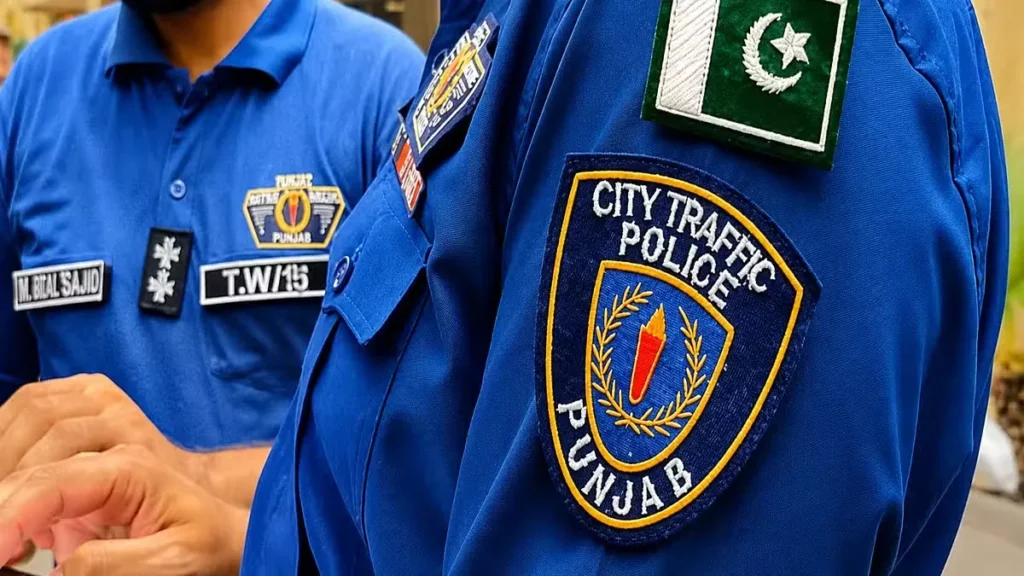
The Punjab Traffic Police have introduced a new Traffic Warden System across five major cities in an effort to improve traffic management, enhance road safety, and deliver more efficient services to motorists.
The initiative has been rolled out in its first phase in Lahore, Rawalpindi, Faisalabad, Multan, and Gujranwala, with authorities describing it as part of a broader plan to modernise traffic policing across the province.
According to the Punjab Traffic Police, the new system is designed to strengthen operational performance while providing organised, technology-driven traffic services to the public.
Skilled Professionals Join Traffic Police
As part of the initiative, the department has recruited professionals from diverse fields, including medicine, engineering and information technology, to support traffic management through modern expertise and digital solutions.
Officials said the inclusion of specialists is expected to improve traffic monitoring, planning, and the delivery of public services by integrating advanced technologies into day-to-day operations.
The move reflects the department’s efforts to adopt a more professional and data-driven approach to managing traffic congestion and road safety.
Tribute to Fallen Traffic Officers
Speaking at the launch, Punjab Traffic Police Chief Muhammad Waqas Nazir paid tribute to officers who lost their lives in the line of duty over the past two decades.
He said the department would continue to honour the sacrifices and dedication of personnel who gave their lives while serving the public, adding that their contributions remain an enduring part of the force’s legacy.
Nazir also recognised the services of injured and retired traffic wardens, describing them as valuable members of the organisation whose experience and commitment continue to be appreciated.
He reaffirmed the department’s commitment to acknowledging the contributions of both serving and former officers while continuing efforts to improve traffic services across Punjab.
The new Traffic Warden System is expected to serve as the foundation for future reforms aimed at creating a more efficient, technology-enabled, and citizen-focused traffic management system in the province.
