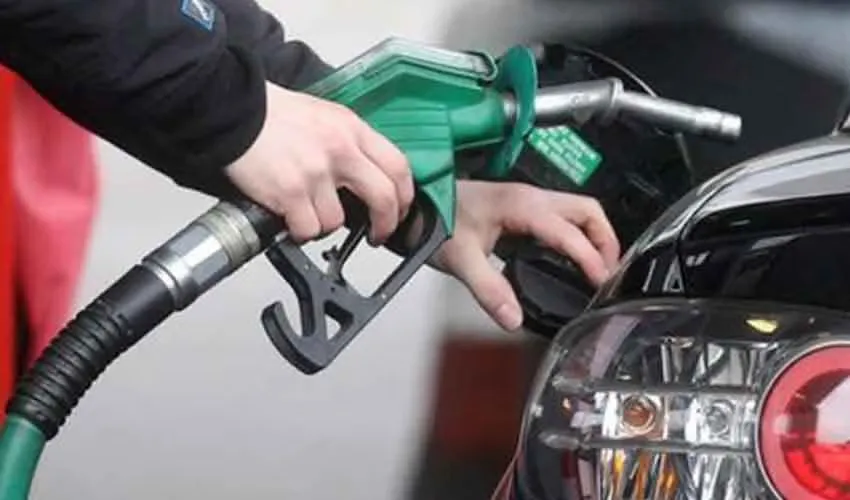
The federal government is considering bringing back fuel conservation and austerity measures as early as this week or next in response to rising global oil prices and growing pressure on Pakistan’s foreign exchange reserves following renewed tensions in the Middle East.
Prime Minister Shehbaz Sharif has reviewed the proposed measures, which are expected to be presented to the federal cabinet for approval.
Government aims to protect foreign exchange reserves
According to officials, the government wants to maintain foreign exchange reserves at a level equivalent to at least three months of import cover.
The proposed plan includes reintroducing a four-day working week, reducing attendance at government offices by half, limiting the use of official vehicles, increasing reliance on virtual meetings, restricting official foreign travel, reducing non-essential public spending, enforcing highway speed limits to save fuel and cutting selected public sector expenditures.
Earlier measures may return
Officials said similar conservation measures were first introduced in March after global oil markets were disrupted by tensions around the Strait of Hormuz. They were withdrawn in June after regional conditions improved.
However, the recent rise in oil prices and renewed geopolitical tensions have prompted the government to reconsider the policy.
Daily fuel pricing system remains in place
The government clarified that the recently introduced daily petroleum pricing mechanism does not amount to full deregulation of fuel prices.
Under the current system, petrol and high-speed diesel prices are revised only on working days. Prices announced on Friday remain effective through Saturday, Sunday, and Monday, while no revisions are made during the weekend.
Officials said the Oil and Gas Regulatory Authority (OGRA) will continue calculating fuel prices every working day and submit its recommendations to the Petroleum Division, which will issue the official notification. OGRA will also publish detailed fuel price calculations on its website to improve transparency.
Government retains pricing authority
Despite the move toward more frequent price revisions, the government will continue controlling major components of fuel pricing, including the petroleum levy, climate support levy, customs duty, deemed duty, oil marketing company and dealer margins, freight equalization and overall fuel supply management.
Officials emphasized that Pakistan has not adopted a fully deregulated petroleum market, where oil companies independently determine imports and retail prices.
Long term reforms under review
The government is also examining longer-term energy reforms, including encouraging investment in oil storage infrastructure along Pakistan’s coastline to strengthen energy security.
For now, officials said the immediate priority is protecting Pakistan’s foreign exchange reserves, which declined to around 22.67 billion dollars by July 10, compared with nearly 24 billion dollars at the beginning of the month, amid continued volatility in global energy markets.
