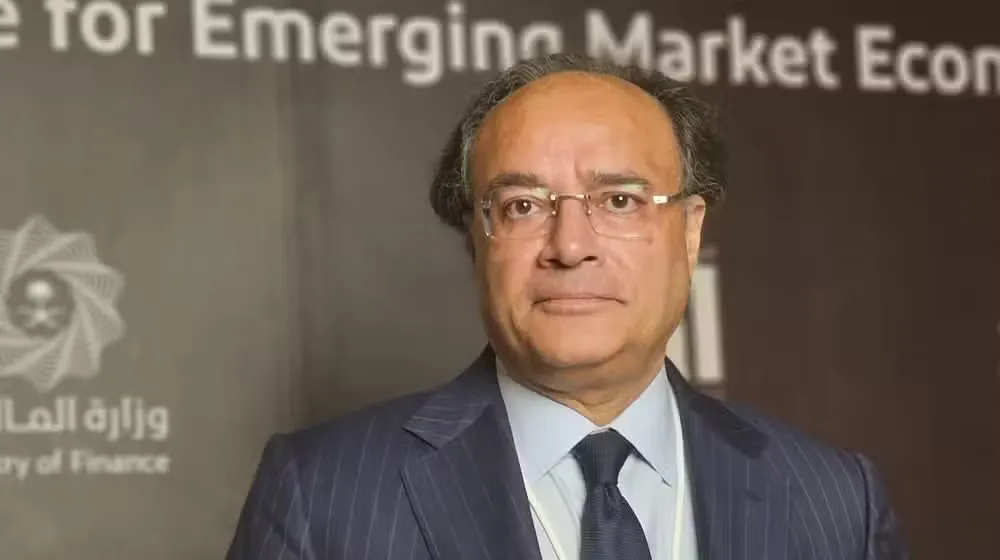
Finance Minister Muhammad Aurangzeb has said Pakistan is expected to receive nearly $200 million under the International Monetary Fund Resilience and Sustainability Facility, with the IMF Executive Board scheduled to meet on Friday to consider the disbursement.
Speaking at the Breathe Pakistan International Climate Change Conference 2026 in Islamabad, the finance minister said the funding would strengthen Pakistan’s climate resilience efforts as the country faces increasing environmental risks, economic vulnerabilities, and pressure from climate-related disasters.
Aurangzeb said Pakistan is now shifting focus from policy discussions toward practical climate financing and implementation, following recent engagements at the IMF and World Bank Spring Meetings in Washington.
He said finance ministers participating in the Coalition of Finance Ministers for Climate Action had stressed the need for countries to move beyond commitments and accelerate real investment in climate adaptation and sustainable infrastructure.
Govt Focuses on Green Economy and Climate Financing
The finance minister said Pakistan is currently finalising its Climate Prosperity Plan, which includes initiatives linked to electric vehicle supply chains, renewable energy expansion, and green industrial development.
According to Aurangzeb, the government is also exploring additional financing instruments to support climate-related projects and reduce dependence on imported fossil fuels.
Also read: Pakistan Prepares IMF-Aligned Federal Budget With Limited Relief Measures
He highlighted ongoing efforts to issue Panda Bonds worth around $250 million denominated in Chinese yuan, alongside local green Sukuk issuances designed to attract sustainable investment into Pakistan’s economy.
Officials say these financing measures are part of a broader strategy to diversify funding sources while strengthening long-term climate resilience.
Aurangzeb also praised the State Bank of Pakistan for promoting green financing initiatives and encouraging banks to support environmentally sustainable projects.
Lessons From Flood Disasters
Referring to the devastating 2022 floods, Aurangzeb said Pakistan had learned important lessons regarding disaster preparedness and financial resilience.
He acknowledged that several international pledges announced during the Geneva conference after the floods did not fully materialise because project financing commitments had been included within larger headline figures.
However, the minister claimed Pakistan managed the economic impact of the 2025 floods more effectively due to improved macroeconomic stability and stronger financial management.
He said the country currently receives between $600 million and $700 million annually in climate-related financing support through institutions including the World Bank and the Asian Development Bank.
AI-Based Disaster Systems Highlighted
Aurangzeb also commended the National Disaster Management Authority for introducing artificial intelligence-based early warning systems aimed at improving disaster response capabilities.
He said the technology was helping authorities transition from reactive emergency responses toward proactive planning and risk management during floods and other climate-related events.
Climate experts attending the conference said Pakistan remains among the countries most vulnerable to climate change despite contributing only a small share of global carbon emissions.
Environmental economist Dr. Abid Qaiyum Suleri said on May 7, 2026, that sustainable financing would remain critical for Pakistan’s long-term economic stability.
“Climate resilience is no longer only an environmental issue. It has become directly linked with fiscal planning, agriculture, energy security, and economic growth,” he said.
Renewable Energy Push Gains Momentum
The finance minister stressed the importance of accelerating investment in solar, wind, and hydropower projects to reduce Pakistan’s dependence on imported fuel and improve energy security.
He said the government was prepared to support the transition toward cleaner energy through targeted subsidies, policy guarantees, and financial incentives for investors.
Pakistan’s renewable energy sector has expanded rapidly in recent years, particularly in solar installations, as businesses and households seek alternatives to rising electricity costs and imported fuel dependence.
Officials say the expected IMF climate financing could provide additional support for sustainable infrastructure projects and help Pakistan strengthen adaptation measures against future environmental shocks.
About Tamoor Ahmed

Tamoor Ahmad has been covering politics since 2022.
