Women remain a small minority in Punjab’s formally registered workforce, according to official labour statistics tabled before the Punjab Assembly, which provide a breakdown of employment across factories, commercial establishments and domestic work covered by provincial law.
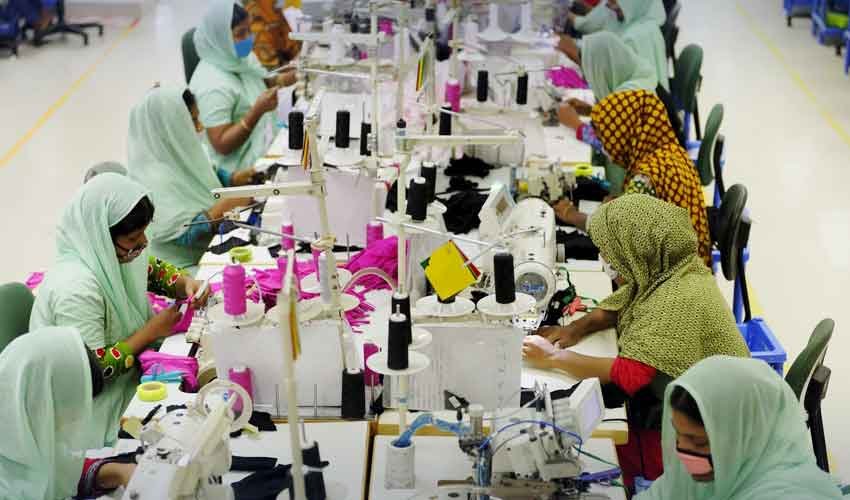
The data was submitted as part of a routine briefing to lawmakers and draws on records from registered workplaces across the province. It shows that Punjab has 20,744 registered factories employing a combined 1,274,276 workers. Of that total, 135,897 employees are women, while 1,138,379 are men, indicating that female participation in the registered industrial sector remains limited.
Officials told the Assembly that the figures are based solely on registered entities and do not include informal or unregistered employment, where women are believed to have a larger presence. Within the registered factory sector, however, men account for nearly nine out of every ten workers.
A similar pattern appears in shops and commercial establishments. According to the submission, Punjab currently has 225,344 registered shops and commercial units. These businesses employ 654,333 people, including 40,604 women and 613,729 men. The data places female representation in the registered commercial workforce at just over six percent.
The report stated that wage structures in registered factories and commercial establishments do not differentiate between male and female workers. Remuneration, it said, is governed by applicable labour laws and minimum wage notifications enforced by the provincial government.
Beyond factories and retail businesses, the briefing also addressed the legal status of domestic workers, a sector where women make up a significant share of the labour force. Officials confirmed that the Domestic Work Act 2019 is being implemented across Punjab to regulate wages, working hours and conditions for domestic employees, including those working in private homes.
As part of the enforcement and support framework, the government has maintained a 24-hour women’s helpline, 1043, which operates across all districts of the province. According to the submission, the helpline provides guidance and referrals related to workplace harassment, domestic violence and other rights violations. Women can access the service regardless of whether they are employed in registered or informal settings.
Lawmakers were told that the purpose of placing the data before the Assembly was to provide an official snapshot of women’s participation in Punjab’s documented labour market and to highlight existing legal protections. At the same time, the figures point to a persistent gender imbalance in formal employment, particularly in industrial and commercial sectors.
The Punjab Assembly is expected to use the data in upcoming discussions on labour policy, including measures aimed at improving registration of workplaces, expanding oversight of informal employment and increasing women’s access to formal jobs. No timeline was announced for further legislative action, but officials said the data would inform future policy reviews.
