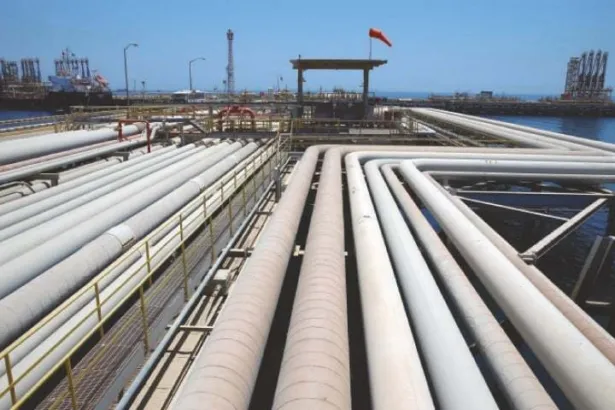
A Saudi Arabian energy company has signed an agreement with Pakistan’s state-owned Inter State Gas Systems (ISGS) to explore energy infrastructure projects involving a proposed investment of approximately $30 billion, including a major natural gas pipeline network linking the country’s western border with Gwadar and potentially extending towards India.
The agreement between Delta Energy Saudi and ISGS establishes a framework for assessing large-scale energy projects aimed at expanding Pakistan’s gas infrastructure, improving energy security and creating potential opportunities for regional energy trade.
According to a joint statement issued by the companies, the proposed programme includes a natural gas pipeline entering Pakistan through its western border and extending towards Gwadar in Balochistan.
The network could also be expanded towards the eastern border with India, subject to further negotiations and government approvals.
One of the most significant components involves a proposed pipeline connecting Chaman, near the Afghan border, with the Indian border near Fazilka. Delta Energy has described the route as a core strategic commitment, although its development would require formal agreements and cooperation between Pakistan and India.
The proposed infrastructure programme extends beyond pipelines. It also includes potential liquefied natural gas (LNG) facilities, gas processing plants, storage infrastructure and export terminals to strengthen Pakistan’s ability to transport, process and manage natural gas supplies.
Delta Energy has identified Afghanistan’s Kashk gas concession and other Afghan energy resources as potential sources for the proposed network. Access to these supplies could help support the project’s broader objective of developing additional regional gas transportation infrastructure.
The company has also clarified that the initiative would operate independently of the long-delayed Turkmenistan-Afghanistan-Pakistan-India (TAPI) gas pipeline project. It would not depend on natural gas supplies from Turkmenistan, making the proposed arrangement a separate infrastructure initiative.
For Pakistan, the potential development comes as the country continues to face challenges involving domestic gas production, imported fuel costs and the reliability of energy supplies. Additional pipelines, processing facilities and storage capacity could help diversify supply options and improve the management of future energy demand.
However, the proposed $30 billion investment remains at the exploration and assessment stage. The agreement does not represent a final investment decision or a binding commitment to finance and construct the proposed infrastructure.
The projects will require detailed feasibility studies, commercial assessments, regulatory approvals and negotiations with relevant governments before construction can begin. The proposed pipeline extending towards India would also depend on bilateral cooperation and formal agreements between the two countries.
Several regional gas infrastructure initiatives involving Pakistan have encountered delays over the years, highlighting the financial, political and security challenges associated with cross-border energy projects.
The latest agreement could therefore open another avenue for Saudi-Pakistan energy cooperation, but its actual impact will depend on whether the proposed projects progress beyond the initial planning and assessment stages.
