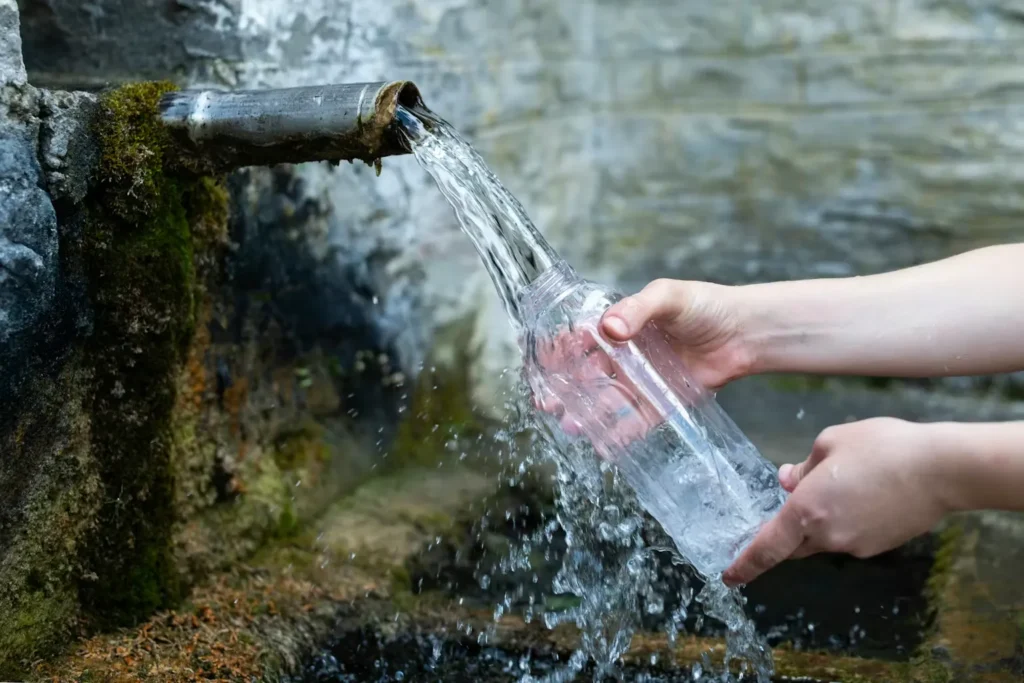
Drinking water during meals may not reduce appetite as commonly believed and could instead encourage people to eat larger portions, according to a new study conducted by researchers from Cornell University and Penn State University.
The research, published in the peer-reviewed journal Appetite, analysed data from two controlled experiments involving 86 adults to examine how water consumption affects eating behaviour during meals.
Study Finds Link Between Water Intake and Larger Portions
Participants in the study were served either beef chilli or chicken tikka masala along with water and were allowed to eat as much as they wanted. Their eating and drinking habits were recorded on video, enabling researchers to analyse how often they drank water, the size of each sip, the speed of drinking, and how frequently they alternated between bites of food and sips of water.
The findings revealed a clear association between higher water intake and greater food consumption.
Researchers found that for every additional 100 grams of water consumed, participants ate an average of 39 grams more food, equivalent to roughly 49 extra calories.
The study also showed that people who switched more frequently between eating and drinking tended to consume larger meals. Each additional alternation between a bite and a sip was linked to an average increase of 4.4 grams of food eaten.
Researchers Explain the Possible Reason
The researchers believe that drinking water throughout a meal may temporarily restore the flavour of food, slowing a natural process known as sensory-specific satiety.
Under normal circumstances, the appeal of a particular food gradually declines as a meal progresses, helping people recognise when they have had enough to eat. Frequent sips of water, however, may refresh taste perception and allow people to continue enjoying the same food for longer.
Lead author Dr. Paige Cunningham, Assistant Professor of Nutritional Sciences at Cornell University, said repeated sips of water may help maintain the flavour experience during a meal.
She explained that restoring flavour perception could encourage people to continue eating beyond the point where they might otherwise begin to feel less interested in the food.
Findings Challenge Common Weight-Loss Advice
The results question the widespread belief that drinking water during meals naturally reduces food intake by creating a feeling of fullness.
According to the researchers, water passes through the stomach relatively quickly and may not provide a lasting sense of satiety. Instead, it may make eating easier by lubricating food, preventing the mouth from becoming dry and allowing people to eat more comfortably and for a longer period.
While these factors could contribute to increased food intake, the researchers emphasised that the study identified an association rather than proving that drinking water directly causes people to overeat.
More Research Required
The authors noted that the study involved a relatively small sample of participants and focused on only two meal types. They said additional research involving larger and more diverse populations, as well as different foods and eating environments, will be necessary to determine whether the findings apply more broadly.
Until then, the researchers recommend interpreting the results with caution while continuing to explore how eating and drinking behaviours influence appetite and overall calorie intake.
