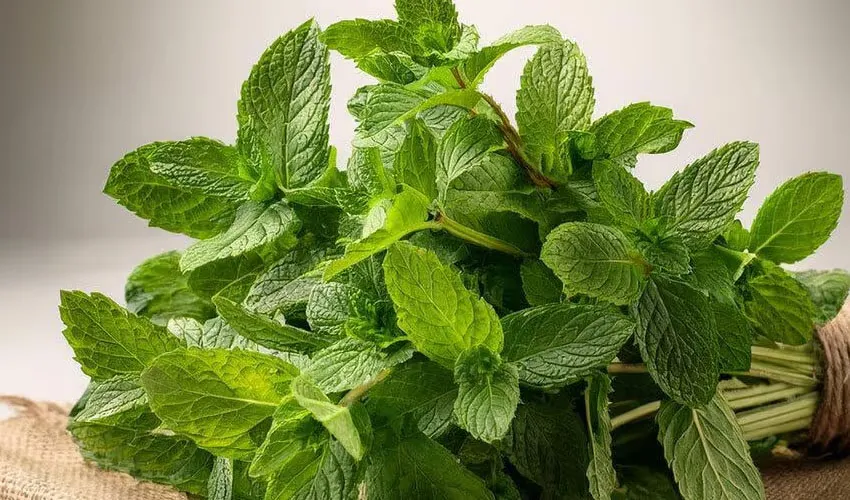
Mint, one of the world’s most widely used culinary herbs, may provide several health benefits beyond adding flavour to food and drinks. Nutrition experts say the herb can support digestion, promote oral health and even help reduce stress, although they caution that it is not suitable for everyone.
Recent scientific research suggests that mint, particularly peppermint, contains natural compounds that may contribute to digestive and mental well-being when consumed in moderation.
Mint may support healthy digestion
One of mint’s best-known active ingredients is menthol, which helps relax the muscles of the digestive tract.
According to scientific studies, peppermint oil has shown promise in relieving symptoms associated with irritable bowel syndrome (IBS), including:
- Stomach pain
- Bloating
- Excess gas
- Abdominal cramps
Researchers believe this muscle-relaxing effect helps food move more comfortably through the digestive system while reducing intestinal spasms.
Peppermint may help reduce stress
Scientists have also investigated peppermint’s potential effects on mental well-being.
A 2022 study found that inhaling peppermint essential oil helped reduce anxiety, mental fatigue and stress among participants. Researchers suggest menthol may produce a calming effect on the nervous system, although more large-scale clinical studies are needed to confirm these findings.
While peppermint aromatherapy may promote relaxation, experts note that it should complement—not replace—professional treatment for anxiety or other mental health conditions.
Mint can promote better oral health
Fresh mint has long been used as a natural breath freshener.
Health experts say chewing mint leaves stimulates saliva production, which helps wash away food particles and bacteria inside the mouth.
Mint also contains natural antibacterial compounds that may help reduce the bacteria associated with:
- Bad breath
- Plaque buildup
- Gum disease
Because of these properties, fresh mint is considered a healthier alternative to sugar-filled mint candies.
Also read: Why Red Onions Are Helpful During Summer Heat
Who should avoid mint?
Despite its potential health benefits, peppermint is not recommended for everyone.
Medical experts advise people with acid reflux, gastroesophageal reflux disease (GERD), heartburn or a hiatal hernia to limit peppermint consumption. Menthol can relax the lower oesophageal sphincter, allowing stomach acid to flow back into the oesophagus and potentially worsening reflux symptoms.
People with gallbladder disease or gallstones should also speak with a healthcare professional before regularly consuming peppermint or peppermint supplements.
A healthy herb when consumed wisely
Nutritionists say mint can be a valuable addition to a balanced diet thanks to its refreshing flavour and potential health benefits.
For most healthy adults, moderate consumption of fresh mint leaves, peppermint tea or culinary mint is generally considered safe.
However, individuals with digestive disorders or chronic medical conditions should consult a healthcare provider before using peppermint regularly, particularly in concentrated forms such as essential oils or dietary supplements.
While mint is not a cure for digestive or mental health conditions, research suggests it may offer natural support for digestion, oral hygiene and overall well-being when incorporated into a healthy lifestyle.
About Hamna Ghias Sheikh

The writer has been covering politics, lifestyle and finance since 2023.
