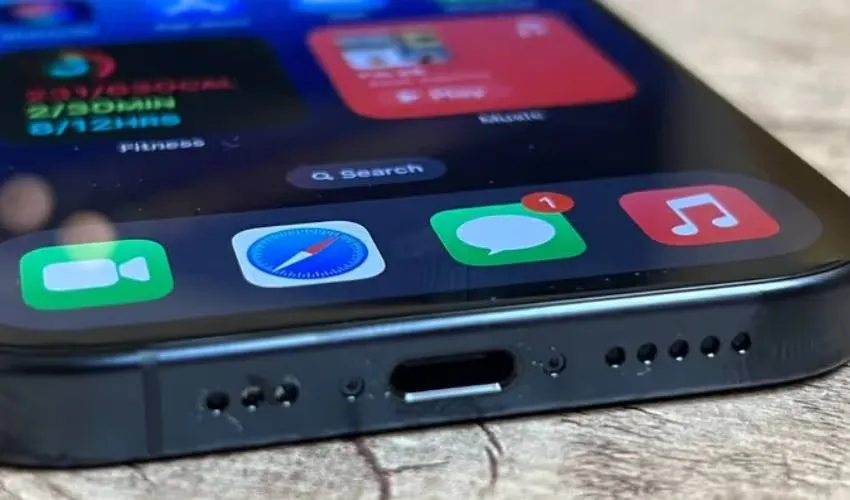
Buying a used iPhone can look like an easy way to save money, especially as new smartphone prices continue to rise. However, experts caution that pre-owned devices often come with limitations and hidden costs that may reduce their long-term value.
From shorter software support to battery wear and expensive repairs, a used iPhone may not always be the bargain it appears to be.
Limited software updates
One of the biggest drawbacks of purchasing a used iPhone is reduced software support. Older models receive fewer major iOS updates, which means users may miss out on new features, performance improvements, and future technologies.
For instance, some recent Apple software features, including advanced AI tools, are not supported on older hardware. While Apple typically provides software updates for around seven years, the exact duration depends on the model. Buying an older iPhone shortens the remaining lifespan of official updates.
Older hardware and performance gaps
A used iPhone also means older hardware, which can struggle to keep up with modern apps and usage patterns. Newer models offer faster processors, better cameras, improved battery efficiency, advanced displays, and larger storage options.
Older devices may have limited storage, slower performance, and outdated components, making them less suitable for heavy multitasking, gaming, or content creation.
No warranty or AppleCare protection
Most used iPhones are sold after Apple’s standard one-year warranty has expired. In many cases, buyers also lose access to AppleCare+, which can only be added within a limited window after purchasing a new device.
Without warranty coverage, even routine repairs such as battery replacements or screen fixes can become costly, quickly eating into any upfront savings.
Hidden risks in the resale market
While many refurbished sellers are reputable, buying from unverified marketplaces carries real risks. Experts warn that some used iPhones may include non-genuine replacement parts, undisclosed internal damage, cosmetic flaws, or unclear repair histories.
Buyers are advised to check the phone’s serial number, confirm its authenticity, and verify warranty status before completing a purchase.
Battery health concerns
Battery degradation is one of the most common problems with used iPhones. Over time, lithium-ion batteries lose capacity, leading to shorter battery life, slower performance, and unexpected shutdowns.
Replacing a worn battery adds an extra expense that buyers should factor into the total cost of ownership.
Is a used iPhone still a good idea?
Experts generally recommend buying the newest iPhone that fits your budget rather than opting for a much older model. A newer device offers longer software support, better performance, and fewer maintenance issues over time.
If you do choose to buy a pre-owned iPhone, selecting a trusted seller, checking battery health, confirming warranty status, and ensuring compatibility with future iOS updates can help reduce risks.
In the long run, spending slightly more upfront on a newer model may provide better value, reliability, and peace of mind than a cheaper used alternative.
About Tamoor Ahmed

Tamoor Ahmad has been covering politics since 2022.
