Iran has publicly declared support for Oman after Donald Trump warned the Gulf nation of possible military action if it attempted to assist Tehran in influencing control over the Strait of Hormuz, one of the world’s most critical oil shipping corridors.
The statement from Tehran comes at a time of sharply rising regional tension, following fresh US military strikes near Bandar Abbas and renewed political friction over the governance of the strategic waterway through which a significant share of global energy supplies transit daily.
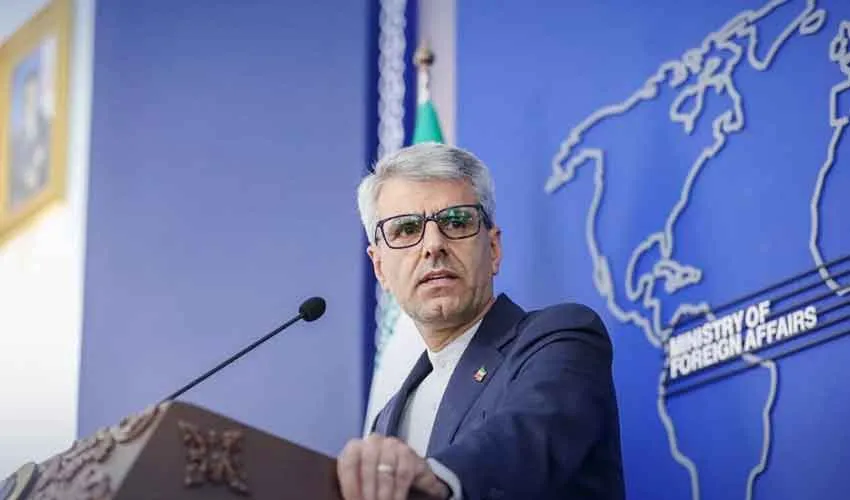
Iranian Foreign Ministry spokesperson Esmaeil Baqaei said Iran stood firmly with Oman, condemning what he described as escalating threats by US officials against regional countries. In a statement issued Thursday, Baqaei criticized the “provocative and threatening rhetoric” coming from Washington and referred to Oman as a “friendly and brotherly nation,” emphasizing Tehran’s opposition to intimidation in regional affairs.
The remarks followed comments made by Trump during a cabinet meeting, where he insisted that the Strait of Hormuz would remain open and under no single country’s control. Trump said the waterway constituted international waters and warned that Oman would be treated “like everybody else,” adding that the United States would respond forcefully if it believed the flow of shipping was threatened. The statement immediately drew backlash across the region for its unusually blunt tone.
Iran has repeatedly rejected any US role in managing the Strait of Hormuz, maintaining that coordination over maritime security in the area is a regional matter. Iranian officials have previously said that any operational or logistical discussions regarding the strait would involve Oman, which borders the waterway and has historically played a mediating role between rival powers in the Gulf.
The diplomatic dispute intensified further after Iran condemned recent US strikes near Bandar Abbas. Baqaei described the attacks as a violation of Iran’s territorial integrity and national sovereignty, warning that continued military pressure would undermine efforts to preserve the fragile ceasefire currently in place.
US officials, however, defended the strikes as limited and defensive, claiming they were aimed at preventing threats to American forces and commercial shipping lanes. Washington said the operation targeted an Iranian military site believed to pose a risk to navigation through the Strait of Hormuz.
In response, Iran’s Islamic Revolutionary Guard Corps announced it had carried out a retaliatory strike on a US military base in the region, though Iranian authorities did not disclose the location. The IRGC said the action was a direct response to the US attack near Bandar Abbas airport.
The escalation occurred despite ongoing diplomatic efforts to stabilize relations and prevent a broader confrontation. Hours before the strikes, Trump had dismissed reports suggesting a possible Iran-Oman role in overseeing maritime traffic through the strait, signaling Washington’s resistance to any arrangement that excludes US influence.
As threats, strikes, and counter-strikes continue, concerns are mounting among global energy markets and regional governments over the security of shipping through the Strait of Hormuz, a chokepoint whose disruption could have immediate worldwide economic consequences.
