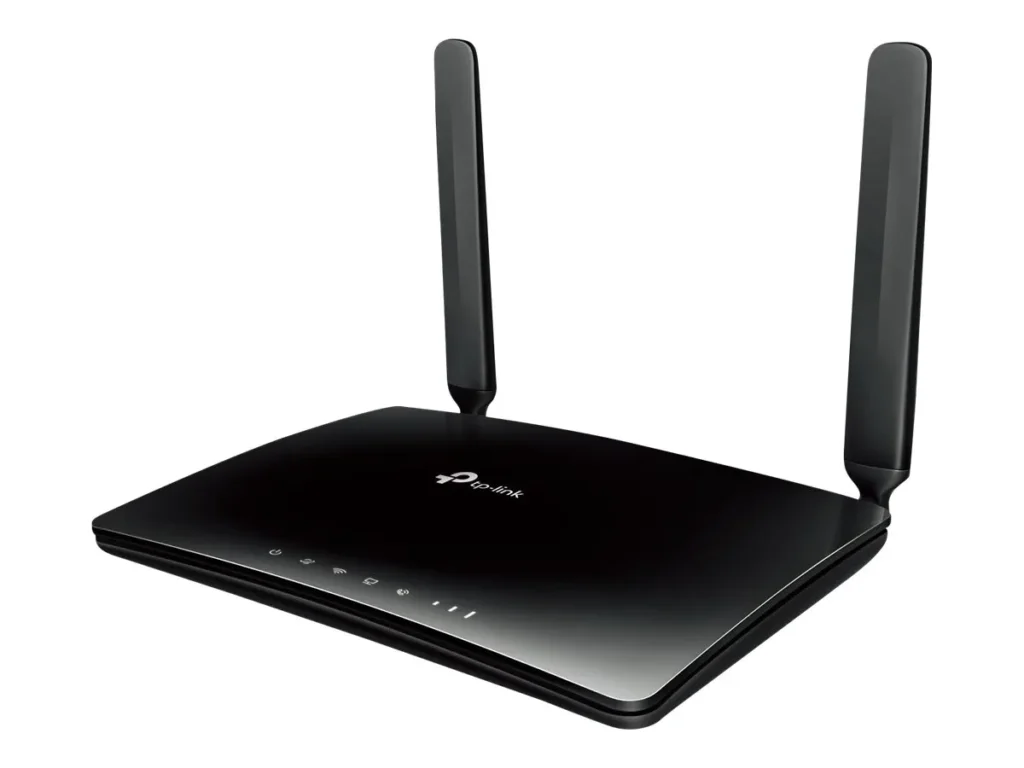
As global internet usage accelerates, users are increasingly looking beyond traditional broadband for faster and more flexible connectivity.
5G routers are quickly gaining attention as a next-generation solution, offering high-speed internet through cellular networks rather than fixed cables.
For many households, remote workers, and mobile users, this shift could redefine how internet access works.
A 5G router is a wireless device that connects directly to 5G mobile networks to deliver internet access. Unlike conventional Wi-Fi routers that rely on fiber, cable, or DSL lines, a 5G router communicates with nearby cellular towers.
This removes the need for physical infrastructure inside the home, making setup faster and far more flexible. Many models are compact, portable, and in some cases battery-powered, allowing users to stay connected while traveling or working remotely.
Speed is one of the main reasons 5G routers are considered faster than traditional Wi-Fi setups. Because they operate on modern 5G networks, they can deliver significantly higher download and upload speeds where coverage is strong.
Latency is also lower, which makes a noticeable difference for online gaming, video conferencing, cloud applications, and real-time collaboration.
Unlike wired broadband, which can suffer from aging cables or local congestion, 5G routers often bypass these bottlenecks by connecting directly to the mobile network.
Also read: 5G to be Allowed on iPhones in Pakistan Next Year
Another advantage lies in performance consistency for high-bandwidth activities. Users streaming 4K video, downloading large files, or running smart home systems often experience smoother performance on 5G routers in well-covered areas.
Many devices are also designed with automatic network fallback, switching seamlessly to 4G LTE if the 5G signal weakens. This built-in backup feature helps maintain connectivity during temporary network disruptions.
Flexibility is where 5G routers truly stand out. Their portability makes them ideal for digital nomads, small offices, pop-up businesses, and people living in rented spaces where installing fixed broadband is difficult.
Instead of waiting days or weeks for a wired connection, users can often get online within minutes by inserting a SIM card and powering on the device.
Deciding whether a 5G router is worth it depends largely on location and usage habits. In major cities and urban areas with strong 5G coverage, these routers can outperform traditional broadband in both speed and responsiveness.
In contrast, rural or underserved regions may see inconsistent performance due to limited network reach. Casual users who primarily browse social media or stream standard-definition video may not notice a meaningful difference compared to a regular Wi-Fi router.
There are also limitations that users should consider before switching. 5G router performance is directly tied to network availability, meaning speeds can fluctuate based on signal strength and congestion.
Hardware costs are generally higher than standard routers, and most devices rely on mobile data plans that may include usage caps or higher monthly fees. For heavy users, this can increase long-term costs compared to unlimited fixed broadband.
Despite these challenges, 5G routers represent a major step toward more flexible internet access. As coverage expands and data plans become more competitive, they are likely to play a growing role in how homes and businesses connect online.
For users who value speed, mobility, and quick deployment, a 5G router may already be a practical upgrade rather than a future concept.
About Hamna Ghias Sheikh

The writer has been covering politics, lifestyle and finance since 2023.
