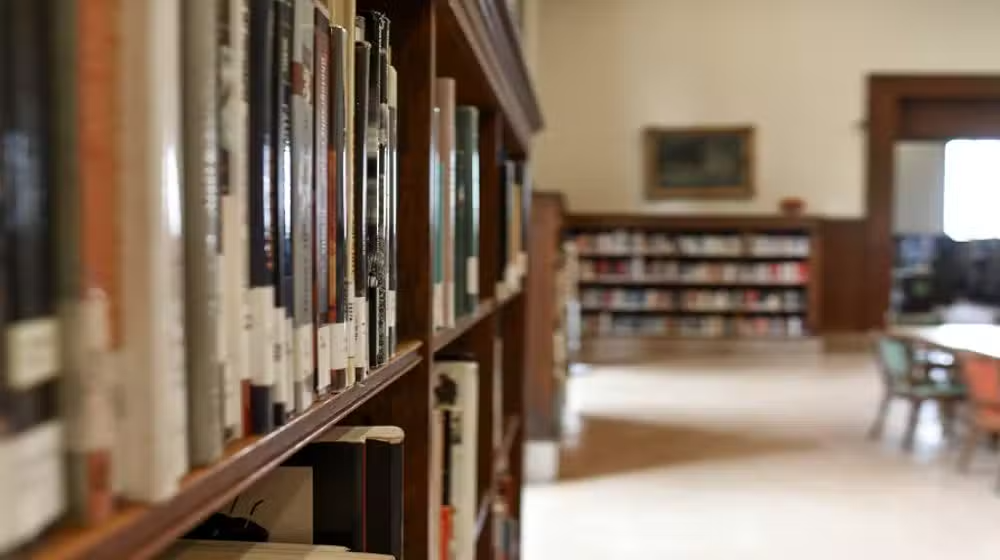
One of Karachi’s limited open-access community spaces, Kitab Ghar, has announced it will permanently close on May 31, ending nearly 18 months of public programming, workshops, and community gatherings.
The management confirmed the decision in a statement shared on social media, citing rising rental costs in the PECHS area as the primary reason for closure.
According to the organisers, increasing commercialisation and gentrification have made it financially unsustainable to continue operating the citizen-run library and cultural space.
A Rare Public Space for Learning and Culture
Since its launch, Kitab Ghar has served as a free-to-access venue for students, artists, writers, and residents. The space hosted a wide range of activities, including reading sessions, creative workshops, discussions, and collaborative community events.
Organisers described it as a “shared civic experiment” that provided Karachi residents with an alternative cultural and educational environment outside commercial venues.
Financial Strain and Gentrification Pressure
The team said the decision was not made lightly, stressing that Kitab Ghar had become an important hub for intellectual exchange and social engagement.
Also read: 14 Must-Read Mystery Books That Deliver Twists, Suspense, and Shocking Endings
However, rising rents in the surrounding PECHS neighbourhood ultimately made continued operations unfeasible. The management pointed to broader urban development trends and gentrification pressures affecting independent cultural spaces across the city.
Fundraising Efforts for Future Relocation
Despite the closure, the organisers have not ruled out a return. They have launched a fundraising campaign aiming to raise Rs500,000 to support the creation of a new community space in the future.
In their statement, the team appealed to supporters, saying, “We exist because you do,” and encouraged public contributions to help sustain the initiative in a new location.
Community Response and Legacy
Kitab Ghar has largely relied on public donations and occasional ticketed events to sustain its operations. Over its short but impactful existence, it developed a reputation as one of Karachi’s few independent cultural spaces open to the public without barriers.
The organisers thanked supporters for helping build what they described as a vibrant and inclusive community, expressing gratitude for the engagement and solidarity shown since its inception.
