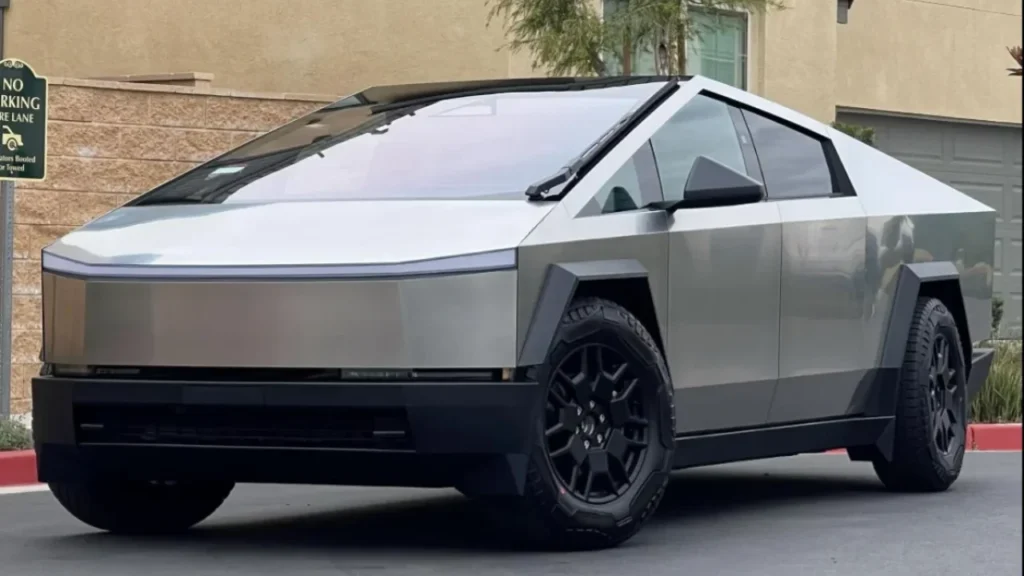
A Nashville-based rideshare driver known online as “LyftDr1ver” has revealed the real-world cost of running a Tesla Cybertruck at extreme mileage after logging 100,000 miles in just one year with his 2024 Foundation Series dual-motor model.
While the electric pickup proved capable of handling intensive daily use—including long rideshare shifts, towing, and harsh weather conditions—it also exposed a costly mechanical issue that significantly impacted the vehicle’s overall economics.
Power Conversion System Failure at 60,000 Miles
At approximately 60,000 miles, the Cybertruck experienced a failure in its power conversion system (PCS), a critical component responsible for managing energy transfer between the battery pack, electric motors, and charging architecture.
Because the issue occurred outside Tesla’s standard 4-year/50,000-mile basic warranty, the repair was not covered, leaving the driver with a $7,200 out-of-pocket bill.
That single repair accounted for roughly 14.4% of the truck’s base purchase price, significantly affecting the cost-efficiency of the vehicle in commercial rideshare operation.
What the PCS Issue Means for Cybertruck Owners
The PCS is not considered a routine wear-and-tear component, making the failure particularly notable. Reports from early Cybertruck owners suggest that similar issues have appeared in some Foundation Series vehicles, with a few cases occurring even before 10,000 miles.
Also read: Tesla, insurers take different paths to deal with expensive repairs
While Tesla has not issued a formal recall, newer 2026 production models reportedly include updated hardware and extended PCS coverage, indicating the company may be addressing the issue internally.
Real-World Performance Under Heavy Use
Despite the mechanical setback, the Cybertruck demonstrated strong performance under demanding real-world conditions. The vehicle was used extensively for rideshare driving, including high-mileage urban trips and long-distance travel.
The driver also reported towing a bass boat, navigating winter storms in Maine, and operating continuously in harsh conditions. While performance remained strong overall, some practical issues emerged, including reduced range during towing, snow accumulation around the lightbar, and minor suspension and interior wear after prolonged use.
The Cybertruck’s steer-by-wire system, advanced driver assistance features, and maneuverability in urban environments were highlighted as key strengths during intensive use.
Cost Analysis: Fuel Savings vs Maintenance Expenses
Over the 100,000-mile period, the driver estimated fuel savings of approximately $17,700 compared to a traditional gasoline-powered truck.
However, when factoring in the $7,200 repair bill along with tire replacements and maintenance costs, net savings dropped to around $8,000.
Battery degradation was reported at approximately 12%, still within Tesla’s warranty expectations, suggesting relatively strong battery durability under high-mileage commercial conditions.
What This Means for EV Commercial Adoption
The case highlights both the advantages and limitations of electric vehicles in high-mileage commercial use cases.
While operating costs remain lower than gasoline-powered alternatives, unexpected high-cost repairs—particularly for non-wear components—can significantly impact total ownership economics.
