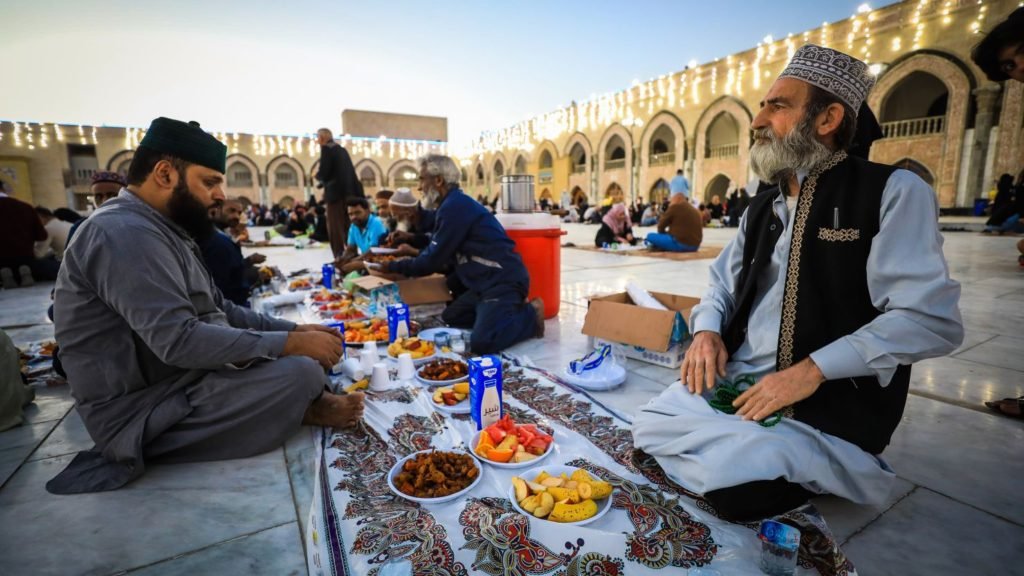
We present you 5 Ramadan tips to stay fit during the holy month.
As Muslims around the world prepare to observe the holy month of Ramadan, which entails fasting from sunrise to sunset, concerns about maintaining health and fitness arise.
With long hours of fasting and irregular meal timings, some individuals may face challenges such as low energy levels and weight gain.
5 Ramadan tips to stay fit during holy month
To address these concerns and ensure a healthy Ramadan, here are five expert-recommended tips:
- Exercise During Non-Fasting Hours: One key strategy is to schedule workouts during times when fasting is not required, such as after iftar (the evening meal) or before suhoor (the pre-dawn meal). This allows individuals to maintain their fitness routines without compromising their fasting obligations. It’s essential to replenish energy levels with nutritious food and water before and after exercise sessions.
- Incorporate Strength Training: Maintaining muscle mass during Ramadan can be achieved through strength training exercises. Simple bodyweight exercises like planks, squats, lunges, and push-ups can be performed at home without the need for specialized equipment. Incorporating these exercises into one’s routine helps preserve muscle mass and overall strength.
- Listen to Your Body: Fasting hours can vary in intensity for individuals, and it’s crucial to pay attention to how the body responds. If feelings of fatigue or low energy arise during fasting, it may be wise to adjust the intensity or duration of workouts accordingly. Opting for lighter activities or less intense workout sessions can help prevent overexertion.
- Stay Hydrated: With the restriction on fluid intake during fasting hours, maintaining hydration becomes even more critical. Drinking an adequate amount of water during non-fasting hours is essential for supporting the body’s ability to perform physical activity effectively. Dehydration can lead to decreased exercise performance and energy levels, so prioritising fluid intake throughout the day is crucial.
- Eat Nutritious Foods: When breaking the fast (iftar) and before beginning the fast (suhoor), focus on consuming balanced meals that provide essential nutrients and sustained energy. Incorporating healthy fats, complex carbohydrates, and lean proteins into meals can help support satiety, energy levels, and muscle repair and growth.
By following these expert-recommended tips, individuals can navigate the challenges of fasting during Ramadan while prioritising their health and fitness goals.
Also read: Ghee and flour prices reduced in Pakistan ahead of Ramadan 2024
With a proactive approach to exercise, nutrition, and hydration, it’s possible to stay fit and active throughout the holy month.
