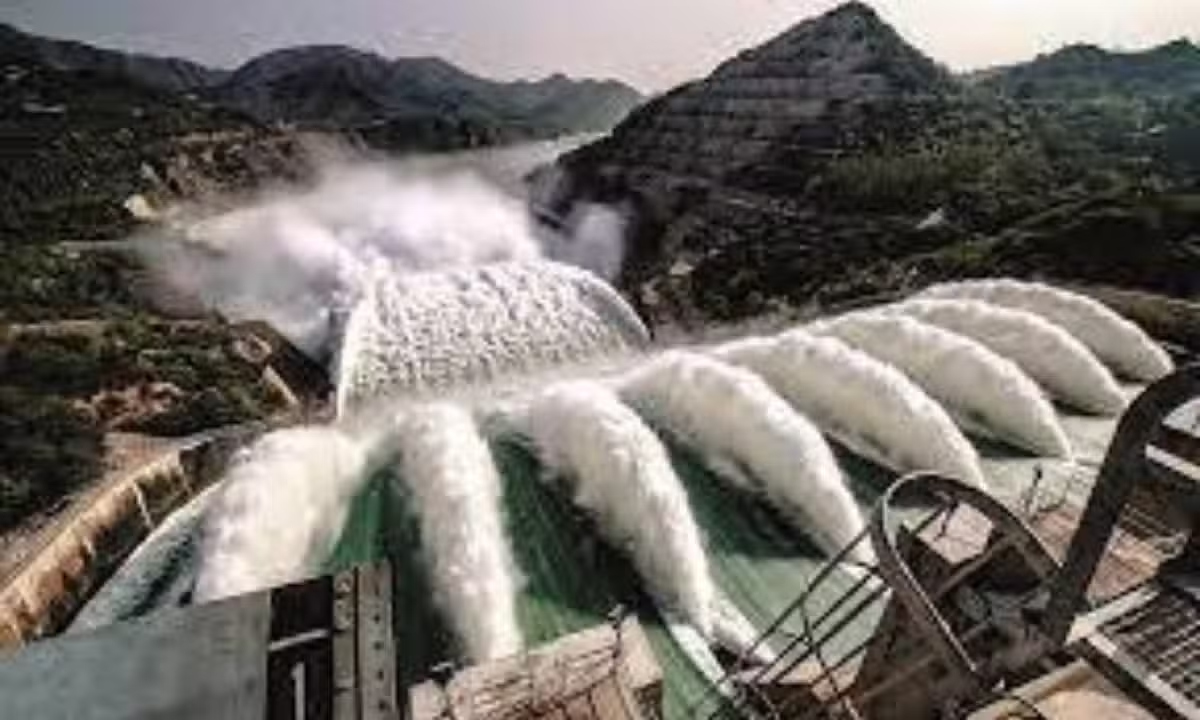
Pakistan’s major water reservoirs have reached 9.466 million acre-feet (MAF), or around 72% of their total storage capacity, providing a significant boost to water availability ahead of the peak irrigation season.
The latest figures are encouraging for farmers as higher reservoir levels support Kharif crops and improve water security during the monsoon months.
The data also shows Tarbela Dam approaching full capacity, while Mangla Dam continues to trail behind due to below-average rainfall in the Jhelum River catchment.
Key Details
According to official water data released on Sunday, Pakistan’s combined reservoir storage has increased to 9.466 MAF against a total storage capacity of 13.149 MAF.
The Indus River System is currently receiving 401,600 cusecs of inflows, while regulated outflows stand at 304,700 cusecs, reflecting healthy water availability driven by monsoon rains and glacier melt.
Key Facts
- Total reservoir storage: 9.466 MAF (72% of capacity)
- Combined storage capacity: 13.149 MAF
- Indus River inflows: 401,600 cusecs
- Total regulated outflows: 304,700 cusecs
- Tarbela Dam: 90.72% full
- Chashma Barrage: 91.64% full
- Mangla Dam: 56.74% full
Tarbela Dam Nears Full Capacity
Tarbela Dam continues to lead the country’s water recovery, storing 5.063 MAF, equivalent to 90.72% of its total capacity of 5.58 MAF.
The reservoir is receiving 219,700 cusecs of inflows while releasing 162,000 cusecs, supported by strong glacier melt and heavy monsoon rainfall across the upper Indus basin.
Meanwhile, Chashma Barrage has reached 0.285 MAF, or 91.64% of its storage capacity, placing it close to full capacity as well.
Mangla Dam Still Behind Seasonal Levels
Unlike Tarbela, Mangla Dam remains below its seasonal benchmark.
The reservoir is currently 56.74% full, with inflows of 46,200 cusecs as weaker rainfall across the Jhelum River basin has limited water accumulation.
To preserve available water, authorities have reduced releases to 7,000 cusecs, aiming to improve storage before the upcoming Rabi crop season.
Water Supplies for Kharif Crops
Water managers are currently distributing 354,600 cusecs across Pakistan’s irrigation system to support Kharif crops, including cotton, rice, and sugarcane.
Provincial allocations include:
- Sindh: 195,000 cusecs
- Punjab: 145,000 cusecs
- Balochistan: 12,000 cusecs
- Khyber Pakhtunkhwa: 2,500 cusecs
Officials say these releases are intended to meet irrigation demand during one of the busiest periods of the agricultural calendar.
Background
Pakistan’s agriculture sector depends heavily on water stored in Tarbela and Mangla dams, particularly during the Kharif and Rabi cropping seasons.
The country’s reservoirs typically recover during the summer through monsoon rainfall and glacier melt before water demand increases later in the year. Maintaining adequate storage is also critical for hydropower generation and managing water shortages.
Another 0.532 MAF of water has been released downstream of Kotri Barrage into the Arabian Sea since the beginning of the Kharif season to help reduce seawater intrusion and protect the Sindh delta ecosystem.
What This Means
The strong recovery in reservoir storage is positive news for Pakistan’s farming sector, reducing the immediate risk of irrigation shortages for major Kharif crops.
However, water experts note that improving storage at Mangla Dam remains important, as rainfall over the Jhelum basin during the coming weeks will play a key role in ensuring sufficient supplies for the Rabi season.
What’s Next
Water authorities will continue monitoring monsoon activity through mid-August, with particular attention on rainfall across the Jhelum River catchment.
Additional rainfall could significantly improve Mangla Dam’s storage and strengthen Pakistan’s overall water reserves before winter sowing begins.
FAQs
How full are Pakistan’s major water reservoirs?
Pakistan’s reservoirs currently hold 9.466 MAF, equivalent to around 72% of their combined storage capacity.
Which dam has the highest water level?
Tarbela Dam is the largest major reservoir, operating at approximately 90.72% of its storage capacity.
Why is Mangla Dam behind Tarbela?
Mangla has received weaker inflows because of relatively low rainfall across the Jhelum River catchment.
