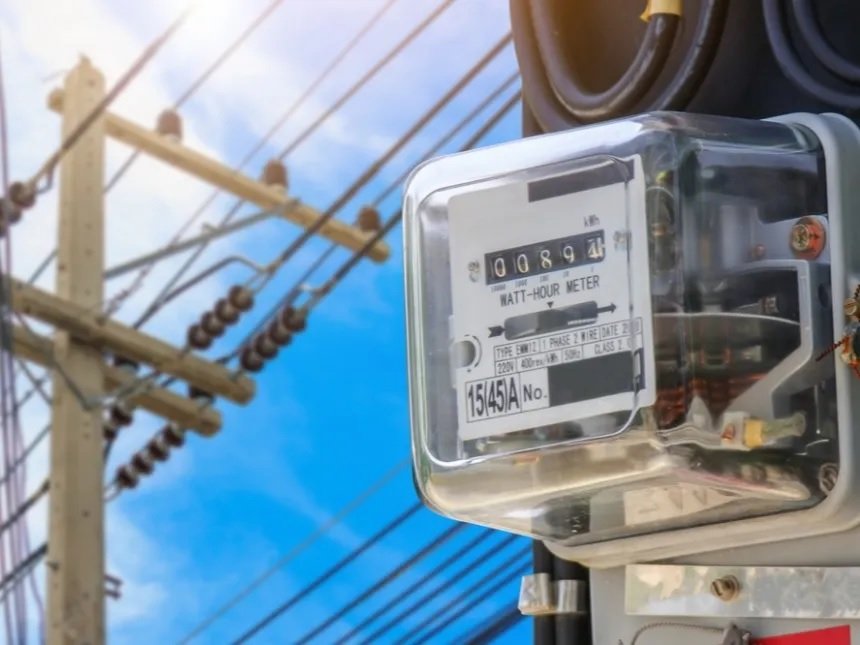
Pakistan’s power distribution companies (Discos) have been identified as the public sector institutions most vulnerable to corruption, according to the government’s National Corruption Risk Assessment Report, which placed them at the top of a ranking of 25 institutions.
The assessment assigned Discos a corruption risk score of 61.1, ahead of the Federal Board of Revenue (FBR), which scored 54.4, and the Capital Development Authority (CDA), which ranked third with 49.5 points.
The findings highlight weaknesses in governance, procurement and financial controls across several major public sector organisations. However, the report measures exposure to corruption risks rather than establishing that every institution or employee listed has committed corruption.
Passco ranked fourth in the assessment, followed by the National Highway Authority (NHA) in fifth place and Pakistan Railways in sixth.
The Benazir Income Support Programme (BISP), Pakistan Post, Sui Northern Gas Pipelines Limited (SNGPL) and the Evacuee Trust Property Board (ETPB) also appeared among the 10 institutions with the highest assessed corruption risks.
Non-transparent public procurement emerged as the most widespread vulnerability among the top-ranked institutions. The report also identified risks linked to the manipulation of official records, inadequate audit trails and financial irregularities.
Revenue leakage was flagged as a potential risk in nine institutions, while seven were found vulnerable to embezzlement and the misuse of public funds.
Despite the concerns, none of the 25 institutions assessed fell into the extreme or severe corruption risk categories. The report classified one institution as high-risk, three as substantial-risk, 14 as moderate-risk and seven as low-risk.
The assessment proposed 396 reforms to address vulnerabilities and strengthen accountability across the institutions. The recommendations include merit-based appointments, digitisation of official records, improved data sharing between government departments and stronger institutional oversight.
The findings place renewed attention on governance and financial management in Pakistan’s public sector, particularly in organisations responsible for electricity distribution, tax collection, infrastructure and public services.
The proposed reforms are intended to reduce opportunities for corruption by improving transparency, strengthening internal controls and making institutional processes easier to monitor.
