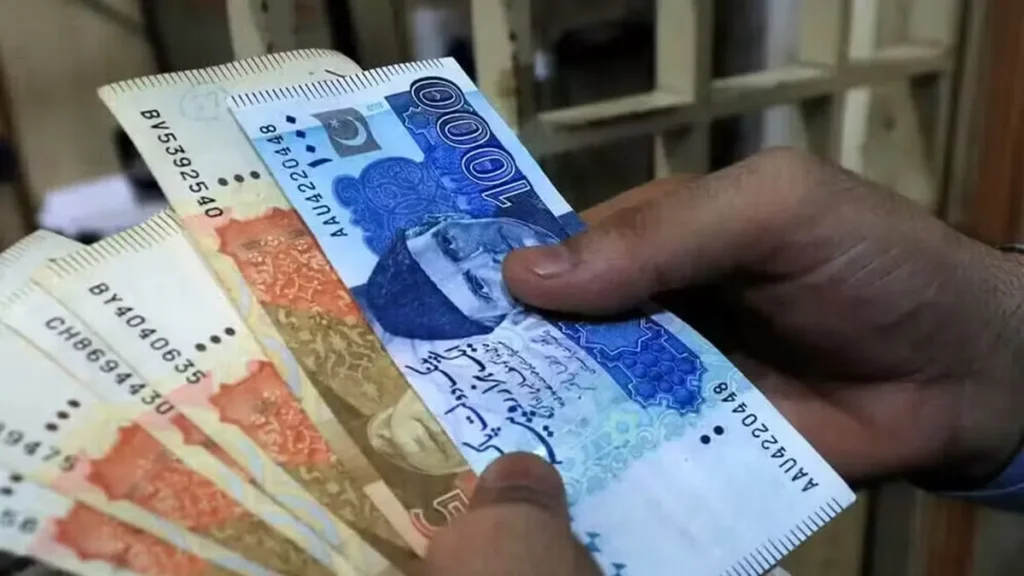
Pakistan’s heavy reliance on cash transactions is making it harder for authorities to trace financial activity and combat money laundering, the chairman of the National Anti-Money Laundering and Counter-Terrorism Authority (NAML&CTA) told a Senate committee.
Mushtaq Sukhera informed the Senate Standing Committee on Cabinet Secretariat that a policy paper proposing a transition towards a digital economy had been submitted to the government.
He identified the widespread use of cash as a major factor enabling illicit financial transactions and limiting the authorities’ ability to monitor the movement of money.
The discussion also highlighted broader concerns about Pakistan’s tax administration, particularly the treatment of registered taxpayers, enforcement practices and allegations of corruption within the tax machinery.
Senator Dilawar Khan cautioned against aggressive tax enforcement that could place unnecessary pressure on individuals and businesses already operating within the documented economy.
He questioned why money laundering notices were being issued to people and companies registered with the Federal Board of Revenue (FBR).
His remarks highlighted concerns that enforcement measures should distinguish between legitimate taxpayers and individuals involved in suspicious financial activity.
Businesses operating in the formal economy have also raised concerns about compliance requirements and the difficulties associated with dealing with multiple tax-related obligations.
Senator Abdul Qadir separately questioned corruption within the tax administration, referring to a recent controversy at the Regional Tax Office (RTO) in Lahore involving allegations over the distribution of bribe money.
The discussion brought attention to the challenges facing Pakistan’s efforts to document economic activity and improve financial transparency. While reducing cash transactions could make financial flows easier to monitor, the transition would also require accessible digital payment systems, effective oversight and greater public confidence in financial institutions.
The policy paper submitted by NAML&CTA is intended to support a shift towards a more digitally documented economy. However, its proposed measures and implementation timeline have not been detailed in the committee discussion.
The debate reflects the wider challenge facing Pakistan’s financial and tax authorities: expanding the documented economy and strengthening action against illicit financial activity while ensuring that legitimate taxpayers are not subjected to unnecessary enforcement pressure.
The effectiveness of any proposed reforms will depend on how authorities improve financial monitoring, address corruption allegations and establish a more transparent and consistent tax administration system.
