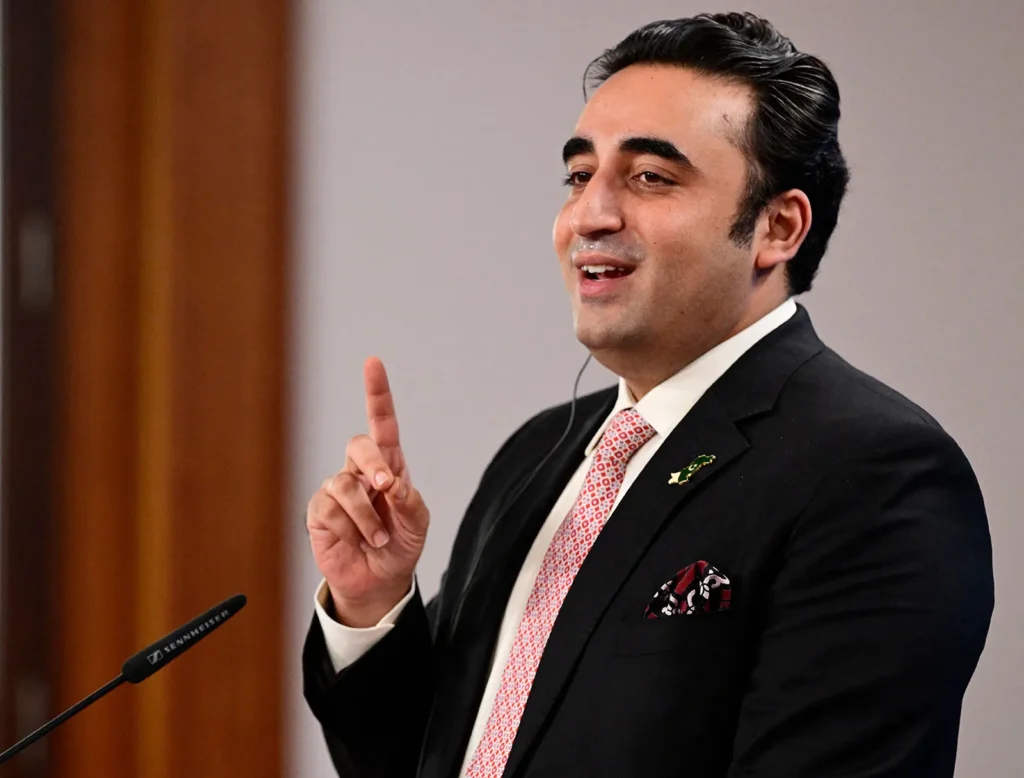
Pakistan Peoples Party (PPP) leader Faryal Talpur has expressed confidence in Bilawal Bhutto Zardari’s political future, saying she sees the party chairman becoming Pakistan’s next prime minister.
Speaking in Lahore, Talpur discussed the PPP’s political strategy, its prospects in Punjab and the importance of strengthening the party’s organisational structure ahead of future elections.
She stressed that the party needed to regain the political ground it had lost in Punjab, arguing that the province still offered significant opportunities for the PPP to expand its support base.
According to Talpur, people in Punjab continue to support the party, but winning back their confidence requires consistent political engagement and stronger grassroots organisation.
She also emphasised that political parties cannot depend entirely on popular leaders, prominent personalities or political heroes to achieve electoral success.
Instead, she called for greater recognition of party workers and improvements in the organisational structure, saying dedicated workers should play a central role in rebuilding the PPP’s presence across the province.
Talpur further highlighted the importance of involving younger generations in politics, suggesting that the party should introduce a stronger volunteer system to attract young people and encourage their participation in political activities.
Her remarks reflect the PPP’s broader efforts to strengthen its position in Punjab, which remains an important political battleground in Pakistan’s electoral landscape.
Discussing preparations for upcoming elections, Talpur said she was not currently focusing on seat adjustments or the number of constituencies the party expected to contest.
However, she urged party leaders and workers to begin preparing for local government elections, stressing the importance of strengthening political connections at the grassroots level.
She indicated that local government elections could provide the PPP with an opportunity to reconnect with voters, develop its organisational network and improve its political standing in different parts of Punjab.
During the interaction, Talpur also commented on the arrests of women in connection with political and other cases.
She said women should not be kept in prison and argued that men should be held responsible for their own actions rather than involving female family members in matters concerning them.
Her comments added another dimension to her remarks, touching on women’s treatment within the country’s political and legal environment.
Talpur’s statement about Bilawal Bhutto Zardari becoming prime minister has also attracted attention, particularly as the PPP continues to discuss its future political ambitions and efforts to rebuild its presence outside its traditional stronghold of Sindh.
Bilawal, who has previously served as foreign minister, remains one of the party’s most prominent political figures and has been positioned by the PPP leadership as a potential candidate for the country’s top executive office.
However, Talpur’s remarks also highlighted an important challenge facing the party: translating its leadership’s ambitions into broader electoral support, particularly in Punjab.
For the PPP, strengthening its grassroots network, attracting younger voters and preparing for local government elections could prove important steps towards achieving its political objectives.
