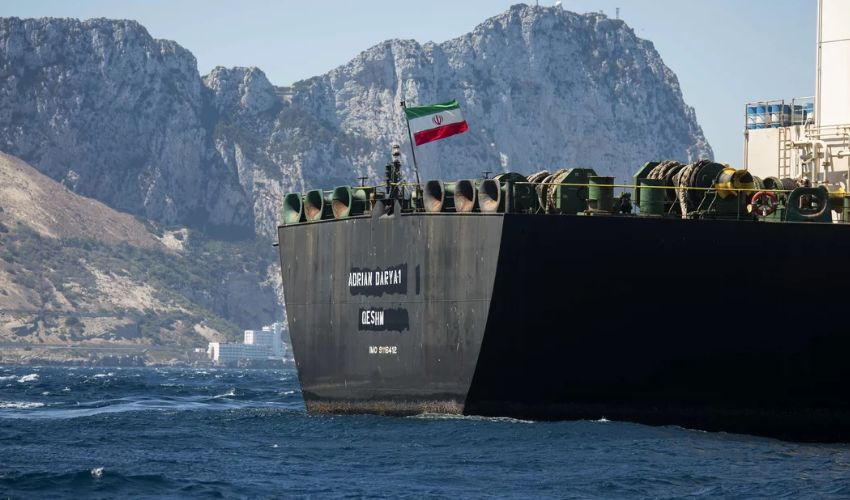
Iran’s Islamic Revolutionary Guard Corps (IRGC) Navy says an oil supertanker struck a naval mine while attempting to cross the Strait of Hormuz, triggering an explosion in its engine room and intensifying concerns over commercial shipping through the strategic waterway.
In a statement reported on October 12, the IRGC Navy said the vessel could carry around two million barrels of oil and was attempting to transit the strait with its navigation system switched off.
Iranian authorities described the route as prohibited and said the incident was the third reported mine strike involving vessels using the route since Saturday.
The IRGC did not identify the tanker or disclose its flag, ownership, the extent of the damage or whether anyone was injured. Its account of the cause of the explosion has not been independently confirmed.
Separately, the UK Maritime Trade Operations agency reported that a tanker had been struck by an unidentified projectile and caught fire. The crew was reported safe, while the extent of the damage and any environmental effects remained unclear.
The incidents come amid an escalating confrontation between Iran and the United States over maritime access, restrictions on shipping and control of routes through the Strait of Hormuz.
Strait of Hormuz Shipping Faces Growing Risks
The Strait of Hormuz connects the Persian Gulf with the Gulf of Oman and the Arabian Sea. It is one of the world’s most important energy shipping corridors, carrying substantial volumes of crude oil and other petroleum products to international markets.
Disruptions to traffic through the narrow passage can affect oil supplies, shipping costs and insurance premiums. Continued attacks or threats against commercial vessels could also force shipping companies to reconsider routes and operating arrangements.
Iran has warned that vessels using routes it considers unauthorised, particularly those switching off navigation and identification systems, could be treated as hostile. The IRGC Navy has renewed its warning as competing claims over safe passage continue.
The latest developments also highlight the difference between Washington’s position and Tehran’s. In late August, US Central Command said American forces had cleared Iranian naval mines from international shipping routes.
Iran subsequently announced renewed restrictions on maritime traffic in July, following the resumption of US attacks earlier that month.
These competing accounts have left commercial operators facing uncertainty over which routes are safe and what conditions apply to vessels attempting to transit the strait.
Iran Accuses CENTCOM Chief of Oil-Smuggling Operations
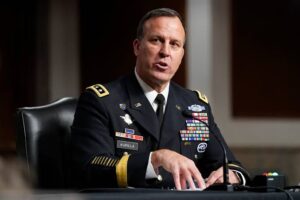
Separately, Mohsen Rezaei, secretary of Iran’s Supreme National Security Council, has accused US Central Command chief Admiral Brad Cooper of overseeing alleged oil-smuggling operations through the Strait of Hormuz with assistance from the United Arab Emirates military.
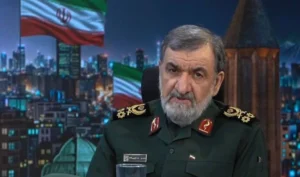
Rezaei made the allegations in an interview with Iranian state-run Press TV. He claimed that five or six small boats were being used to transfer oil to larger tankers and alleged that Iranian forces had been striking several vessels connected to these operations each night.
The allegations have not been independently substantiated. No immediate response from Washington or Abu Dhabi was reported by Anadolu Agency when it published the claims on October 12.
Rezaei also rejected US claims that the strait was open, arguing that Iran retained control over maritime movements. He said Tehran intended to continue managing passage through the waterway, framing its position as necessary for regional security.
The accusations add another layer to the dispute, with both sides contesting the conditions under which commercial shipping can operate.
Iran Warns of Potential Attacks on Technology Infrastructure

Rezaei has also warned that Iran could expand its potential targets to include US-linked technology infrastructure across the region if hostilities resume.
The Iranian official specifically mentioned undersea cables, data centres, artificial intelligence facilities and other technology-related sites. He said Iran had not yet included these assets among its targets but warned that they could be attacked if the conflict escalated.
The remarks were also reported by The Associated Press, which said Rezaei had threatened regional digital infrastructure if intense fighting resumed.
The warning raises concerns that any renewed confrontation could affect infrastructure beyond military installations and energy facilities.
Data centres and undersea cables support communications and digital services across borders, making threats against them relevant to regional businesses and international connectivity.
Rezaei did not specify what additional military capabilities Iran might deploy if fighting resumed.
Diplomatic Efforts to Reopen the Strait Remain Uncertain
The shipping crisis is unfolding alongside stalled diplomatic efforts to end the conflict between Iran and the United States.
According to The Associated Press, Rezaei said Tehran considered the latest US response to an Iranian proposal insufficient. He also indicated that Iran would not respond further until Washington clarified outstanding issues.
The two sides have remained in contact through mediation despite disagreements over the terms of a possible agreement.
Earlier efforts to establish arrangements for freedom of navigation through the Strait of Hormuz failed to produce a lasting agreement, leaving the status of commercial passage contested.
For oil producers, shipping companies and energy-importing countries, the immediate concerns include further attacks on vessels, uncertainty over designated routes and rising transport and insurance costs.
