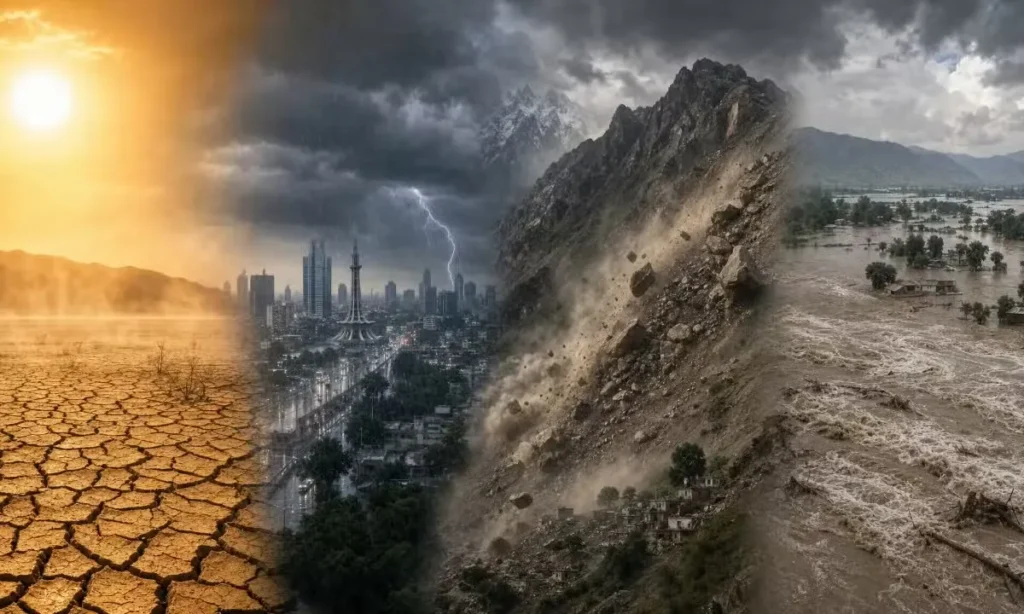
Pakistan could face renewed climate and water-related challenges as a strong El Niño event develops, potentially influencing rainfall patterns, temperatures and weather conditions across the region.
The World Meteorological Organization (WMO) says El Niño is now firmly established in the tropical Pacific and is expected to strengthen further. The agency has forecast an almost 100% probability that the event will continue through February 2027.
El Niño is a climate pattern associated with unusually warm sea-surface temperatures in the central and eastern tropical Pacific Ocean. Although it originates thousands of kilometres from Pakistan, the phenomenon can affect atmospheric circulation and weather patterns well beyond the Pacific.
For Pakistan, the biggest concern could be its impact on the monsoon. Research by the Pakistan Meteorological Department (PMD) has found that strong El Nino years are generally associated with reduced summer monsoon rainfall in the country.
This could put additional pressure on Pakistan’s already strained water resources. The country regularly faces a difficult situation in which heavy rainfall and flooding are followed by periods of water shortages.
A weaker monsoon could affect agriculture, irrigation and food prices. At the same time, El Nino is generally associated with higher global temperatures, potentially adding to Pakistan’s existing heatwave risks. WMO has warned that the developing event could increase the likelihood of heatwaves, droughts and extreme rainfall in different parts of the world.
Pakistan therefore needs to move beyond responding to disasters after they occur. The government should strengthen coordination between the PMD, National Disaster Management Authority (NDMA), provincial disaster management authorities, irrigation departments, agriculture authorities and health agencies.
Early warning systems should also trigger practical measures, including the deployment of rescue teams, preparation of hospitals, protection of vulnerable communities and timely guidance for farmers.
Also read: 2025 Third-Hottest Year on Record: Global Warming Accelerates, Scientists Warn of 2026 Risks
Improving water storage should be another key part of Pakistan’s climate preparedness. Small dams, rainwater harvesting systems and groundwater recharge projects can help conserve water during periods of heavy rainfall and improve supplies when dry conditions persist.
Urban areas also require stronger flood protection measures. Natural drainage channels and waterways should be protected from encroachment, while city planning should consider the risks posed by both intense rainfall and prolonged periods of extreme heat.
Pakistan cannot control the development of El Niño, but it can take steps to limit the damage associated with changing weather conditions. With WMO forecasts indicating that the current event could persist into early 2027, authorities have an opportunity to strengthen preparedness before extreme weather creates another major emergency.
