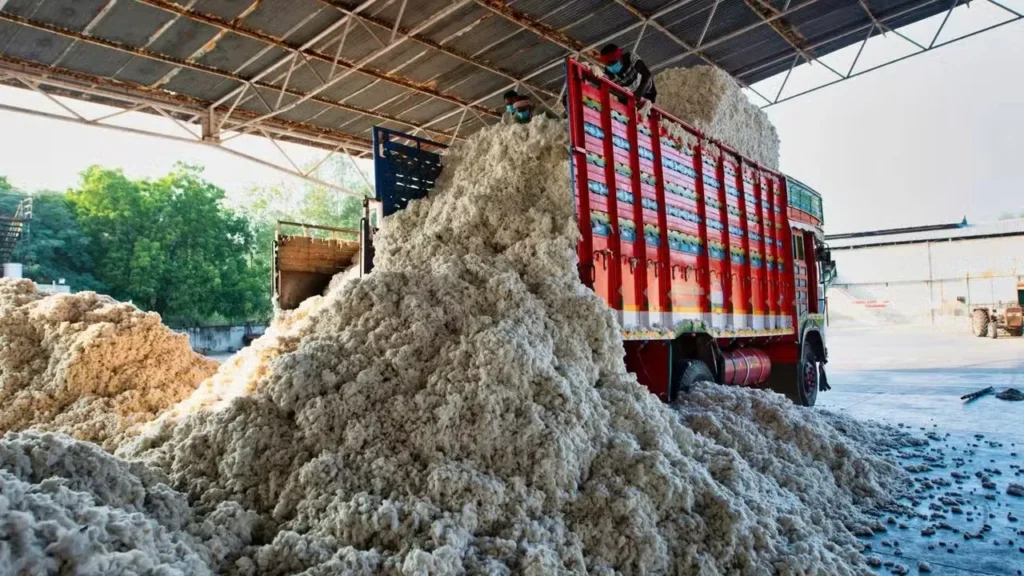
Pakistan’s cotton ginning industry has entered a new phase of crisis as factories in Sindh began shutting down barely weeks into the 2026–27 cotton season, with industry representatives blaming the federal government’s decision to retain an 18 percent sales tax on the sector.
Several ginning factories in Tando Adam have already suspended operations, according to industry officials, while similar shutdowns are feared in other cotton-producing districts such as Sanghar. Ginners say the combination of falling cotton prices and rising tax costs has made routine operations financially unsustainable.
The latest disruption follows the federal government’s decision to maintain the 18 percent sales tax on cottonseed and oil cake in the FY2026–27 federal budget, despite repeated appeals from the All Pakistan Textile Mills Association and cotton ginners for relief. Industry representatives said they were given assurances ahead of the budget that the tax burden would be reduced, but no amendment was included in the final Finance Act.
The policy decision has coincided with a sharp downturn in domestic cotton prices. The Karachi Cotton Association spot rate has fallen by Rs4,000 to Rs17,500 per maund.
In Punjab, cotton prices have declined to around Rs17,800 per maund. Cottonseed prices have dropped from Rs4,800 to Rs3,400 per maund, while oil cake prices have fallen sharply from Rs5,200 to Rs3,500 per maund.
Ginners say their margins have been further squeezed by recent heatwaves that damaged cotton quality and reduced lint recovery. Lower-quality output means less usable fibre per bale, compounding losses at a time when costs are already elevated.
Industry leaders warn that continued factory closures could have serious consequences for cotton farmers, who may be left with fewer buyers for their produce. Reduced formal purchasing, they argue, could push more trading into undocumented channels, weakening tax collection and market transparency.
The Pakistan Cotton Ginners Association has also raised concerns over alleged market manipulation, accusing some digital information platforms of circulating unverified cotton prices.
According to the association, such reporting undermines confidence and distorts genuine market signals. It has urged traders and stakeholders to rely only on verified transaction-based data.
Documentation challenges remain a longstanding issue in the cotton sector. Data from the Cotton Ginners Forum indicates that while official PCGA records showed 5.5 million bales during the 2025–26 season, actual production was closer to 7 million bales. This gap suggests that nearly 1.5 million bales were traded outside the documented economy.
Industry stakeholders argue that without immediate tax relief and policy clarity, Pakistan risks further erosion of its cotton value chain at a time when the textile sector is already under pressure from global competition and domestic cost increases.
The PCGA is expected to release its first official cotton arrival and production report for the 2026–27 season on July 18, a release that industry players say will be closely watched for signs of further disruption or recovery.
