Hospitals across Khyber Pakhtunkhwa have been placed on high alert as health authorities intensify preventive measures against Crimean-Congo haemorrhagic fever ahead of Eid-ul-Azha.
The Khyber Pakhtunkhwa Health Department has issued a formal advisory instructing hospitals and medical facilities to strengthen surveillance, infection control, and early response protocols during the festive period, when animal handling and slaughter significantly increase.
Hospitals Directed on Testing and Sample Handling
Under the advisory, all suspected Congo virus cases must have their samples sent to the Public Health Laboratory. Health officials have instructed that samples be dispatched using strict triple-packaging procedures to minimise transmission risks.
Authorities have approved PCR and ELISA testing for accurate and timely diagnosis of the infection.
Livestock Handlers and Butchers at Higher Risk
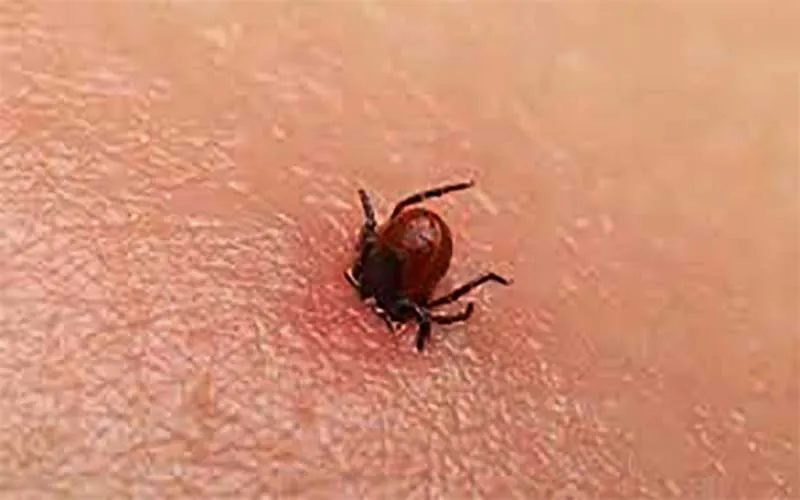
Health officials warned that livestock handlers, butchers, and veterinary workers remain at higher risk of infection due to direct exposure to animal blood, bodily fluids, and ticks. The virus is known to spread through contact with infected blood or fluids, as well as through tick bites.
Citizens have been urged to avoid contact with sick animals, ensure meat is sourced from healthy livestock, and refrain from unsafe slaughter practices.
Strict Infection Control Measures for Medical Staff
Medical staff have been directed to strictly follow personal protective equipment (PPE) guidelines, including gloves, gowns, and protective clothing, while handling suspected patients. Doctors have also stressed the importance of infection control protocols to prevent hospital-based transmission.
Tick Control and Animal Inspection Proposed
The advisory places special emphasis on tick control measures in livestock. A proposal has also been put forward for mandatory inspection and preventive treatment of animals before slaughter to reduce the spread of the disease during Eid-ul-Azha.
Nationwide Risk Remains
Health experts have warned that Crimean-Congo haemorrhagic fever continues to pose a risk across Pakistan, particularly during peak livestock movement seasons. They have called on both authorities and the public to remain vigilant and follow precautionary measures to prevent outbreaks.
Also read: Watch: Bridge collapses in Congo during inauguration
