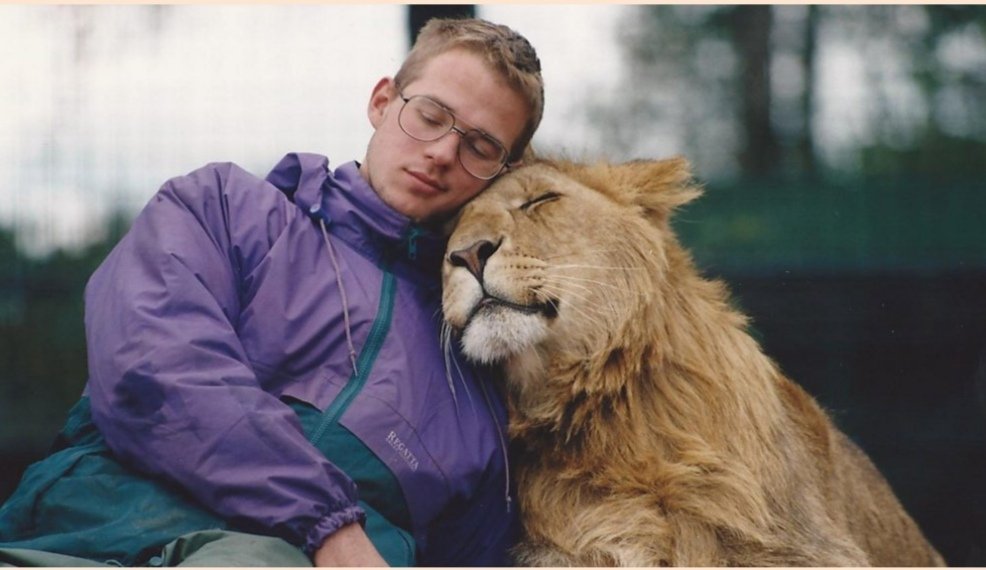
US bans private ownership of big cats
A new rule that bans private individuals from owning lions, tigers, jaguars, leopards, and other big cats as pets is about to be implemented in the U.S.
The Big Cat Public Safety Act has been approved by Congress and is presently on President Joe Biden’s desk. The rule forbids Americans from obtaining large cats as pets or as attractions in petting zoos and restricts new ownership of these animals to approved zoos and institutions.
“Big cats like lions, tigers, and cheetahs belong in their natural habitats, not in the hands of private owners where they are too often subject to cruelty or improper care,” Republican Senator Susan Collins of Maine, a sponsor of the bill, said in a statement.
Current owners of big cats are allowed to keep them under the new law, but they must register them with the U.S. Fish and Wildlife Service. Approximately 5,000 tigers are kept in captivity in the United States, according to the World Wildlife Fund.“By requiring a federal permit for big cat ownership, we’ll have better understanding of the state of captive tigers and what happens to their valuable parts when they die,” Leigh Henry, director of wildlife policy at the World Wildlife Fund, said in a statement.
US bans private ownership of big cats
Additionally, big cats currently on show must be kept 15 feet away from visitors or behind a barrier as per the legislation. According to the Humane Society, there have been over 400 deadly events involving big cats in the United States since 1990. Big cats have harmed hundreds of people and killed five children and 19 adults in 46 states and the District of Columbia.
Tiger King, a 2020 Netflix documentary series, shed focus on the negative aspects of cat ownership. Carole Baskin, the proprietor of a big cat refuge and a character in the series, is one of the bill’s supporters.
