China has urged Pakistan and Afghanistan to resolve their disputes through dialogue rather than force, calling for restraint and an immediate ceasefire as tensions escalate between the two neighbouring countries.
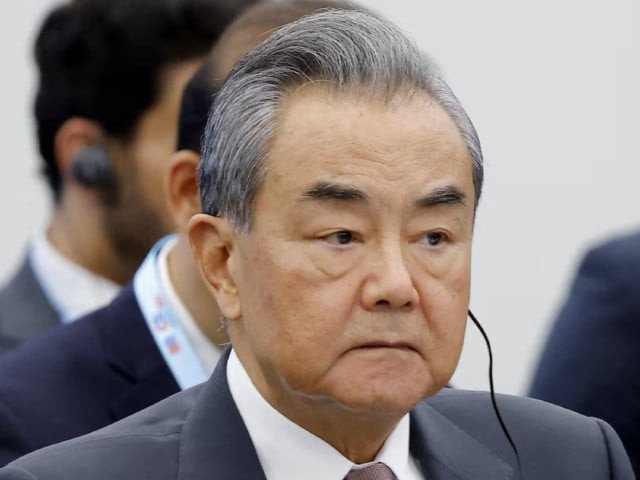
The appeal was made by Chinese Foreign Minister Wang Yi during a phone conversation with Afghan Foreign Minister Mawlawi Amir Khan Muttaqi, according to a statement released by China’s foreign ministry on Friday.
During the call, Wang stressed that both sides should remain calm and avoid further escalation, warning that continued use of force would only worsen the situation. He urged Pakistan and Afghanistan to engage in direct, face-to-face talks at the earliest possible opportunity to defuse tensions and prevent further instability.
“The further use of force would only complicate the situation and intensify tensions,” Wang Yi said, according to the ministry’s statement. He emphasized that cooperation and dialogue, rather than confrontation, are essential for ensuring regional stability.
Wang noted that Pakistan and Afghanistan share deep geographical and historical ties, describing them as neighbours who cannot be separated.
“Afghanistan and Pakistan are inseparable brothers and neighbours that cannot be moved away from each other,” he said, highlighting the importance of peaceful coexistence between the two countries.
The Chinese foreign minister also reiterated that China has maintained an objective and impartial position on the tensions. He said Beijing has been actively involved in efforts to reduce hostilities and promote dialogue between Islamabad and Kabul.
According to Wang, China’s special envoy on Afghan affairs has been shuttling between the two countries to facilitate mediation. He called on both sides to keep calm, exercise restraint, achieve a ceasefire as soon as possible, and resolve their disputes through dialogue and consultation.
China, Wang said, is ready to continue making active efforts to support reconciliation and détente between Pakistan and Afghanistan. He added that regional countries should strengthen unity and cooperation, especially as the external environment becomes more volatile.
“The more complex the external situation becomes, the more regional countries should enhance solidarity, overcome difficulties together, and pursue cooperative and common security,” Wang said.
The message was echoed by China’s Ambassador to India Xu Feihong, who shared details of the phone call in a post on X. Xu reaffirmed Beijing’s willingness to play a constructive role in helping ease tensions and promote stability between the two neighbours.
In response, Afghan Foreign Minister Muttaqi thanked China for its continued diplomatic engagement and mediation efforts. He said the Afghan people, having endured decades of war and instability, deeply value peace, development, and regional cooperation.
Muttaqi emphasized that Afghanistan does not seek military confrontation with any country and wants to contribute positively to regional peace. He reaffirmed that Afghan territory would not be used to carry out attacks against neighbouring states.
“Afghanistan does not wish to engage in military conflict with other countries and looks forward to building mutual trust and friendly coexistence with its neighbours,” he said.
The Afghan foreign minister also expressed hope that China would play a larger role in regional diplomacy, describing dialogue and consultation as the only viable means of resolving disputes. He said Afghanistan views China as both a major global power and a friendly neighbour capable of facilitating peace.
The two sides also discussed the evolving situation in Iran during the call. Wang reiterated China’s principled stance on the issue, stating that Beijing is willing to work with the international community, including Afghanistan, to promote peace and stability.
According to the Chinese foreign ministry, Wang said China is prepared to cooperate with international partners to help reduce tensions and contribute to long-term stability in Iran and the broader region.
