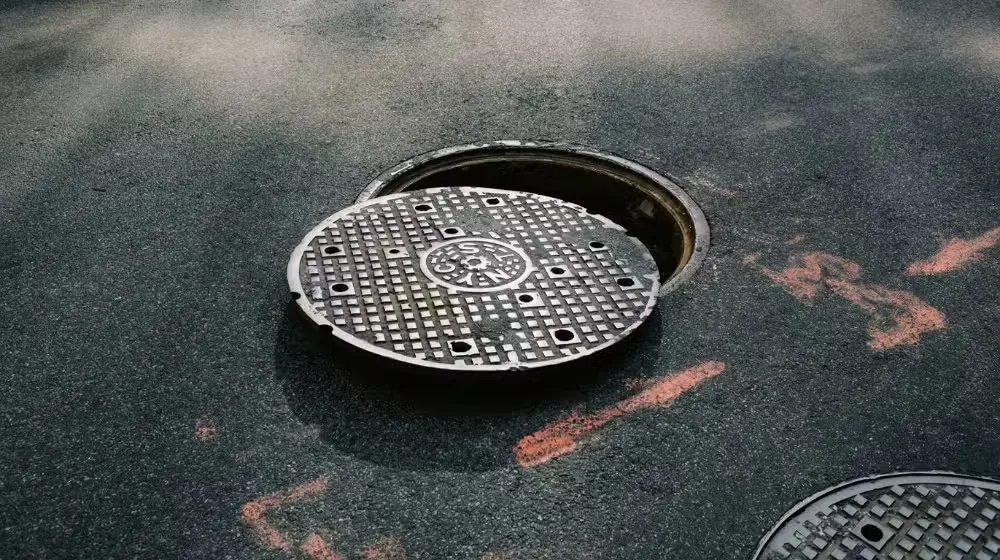
The Punjab Government has approved the Punjab Public Utilities Infrastructure Protection Ordinance 2026, introducing strict prison terms and heavy fines for the theft, illegal removal, sale, or damage of public utility installations, including manhole covers, streetlights, and sanitation infrastructure.
The ordinance was initiated by the Housing, Urban Development, and Public Health Engineering Department, which oversees water and sanitation agencies and development authorities across the province. The move follows a sharp rise in incidents involving vandalism and theft of public installations.
Harsh Penalties for Utility Theft
Authorities cited repeated cases of missing manhole covers, which have caused serious safety risks and even fatal accidents in urban areas. Under the new law:
-
Theft of public utility infrastructure will result in one to three years’ imprisonment and fines ranging from Rs. 200,000 to Rs. 3 million.
-
Illegal removal, purchase, or sale of government installations without authorization carries one to three years in prison and fines between Rs. 500,000 and Rs. 3 million.
-
Damage to public infrastructure will lead to three months to one year in jail and fines ranging from Rs. 50,000 to Rs. 200,000.
Also read: Punjab Government Plans Tough Crackdown to Stop Manhole Cover Theft Across Cities
Crackdown on Scrap Dealers and Re-Rolling Plants
The ordinance also targets scrap dealers and re-rolling plants involved in purchasing or processing stolen public materials:
-
Offenders may face up to three years in prison and fines from Rs. 1 million to Rs. 10 million.
-
Repeat offenders could receive three to six years’ imprisonment along with fines between Rs. 300,000 and Rs. 10 million.
Additional Criminal Liability in Case of Death
If damage to public utility infrastructure results in loss of life, authorities will invoke relevant provisions of the Pakistan Penal Code in addition to penalties imposed under the ordinance.
Also read: Solar panels theft on the rise in Pindi Bhattian
Officials say the new law aims to protect essential infrastructure, enhance public safety, and deter organized theft networks exploiting government installations for scrap value.
