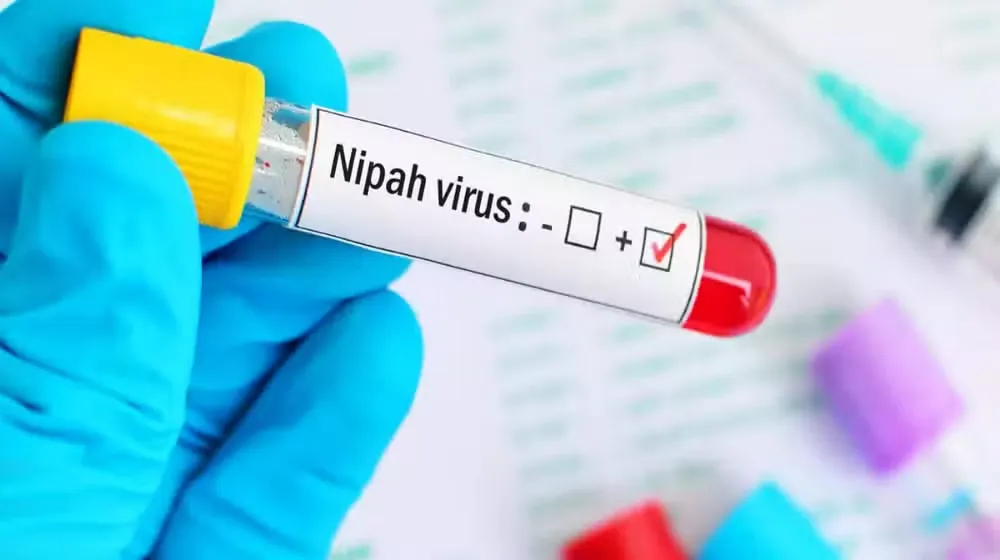
Confirmed cases of the Nipah virus in India have prompted swift action across the region, with health authorities strengthening surveillance and traveler screening measures.
Officials stress that early detection is critical due to the virus’s rapid progression and exceptionally high fatality rate.
What Is the Nipah Virus?
Nipah is a rare but extremely dangerous zoonotic virus, with reported fatality rates reaching up to 75 percent. There is currently no approved vaccine or specific antiviral treatment, making prevention, early diagnosis, and supportive care the primary defenses against the disease.
Awareness Over Panic, Say Health Experts
While governments are tightening monitoring systems, health experts emphasize that public awareness of symptoms is more important than panic. Early symptoms can be mild and resemble common viral illnesses, increasing the risk of delayed diagnosis.
Symptoms of Nipah Virus
Early Symptoms
The virus typically has an incubation period of 4 to 14 days. Initial symptoms are often non-specific and may include:
-
High fever
-
Headache
-
Diarrhea
-
Nausea
-
Vomiting
-
Respiratory problems
Because these signs may appear mild at first, cases can go undiagnosed in the early stages.
Severe and Life-Threatening Symptoms
In more serious infections, Nipah virus can rapidly worsen, leading to pneumonia and severe breathing difficulties. The virus may also cause encephalitis (inflammation and swelling of the brain), which can be fatal within days.
Neurological symptoms may include:
-
Confusion
-
Drowsiness
-
Seizures
-
Loss of consciousness
Health experts warn that once neurological complications develop, the disease can progress very quickly and become deadly.
How Nipah Virus Spreads
Nipah virus is primarily transmitted from animals to humans, particularly through direct contact with infected pigs or fruit bats, or exposure to their bodily fluids and secretions.
Human-to-human transmission has also been documented during previous outbreaks, especially in healthcare and household settings.
