Pakistan’s capital city has recorded a net increase of more than 9,000 acres of green cover, according to a Normalized Difference Vegetation Index (NDVI) analysis comparing satellite data from January 2023 to December 2025.
The findings indicate a positive environmental trend amid ongoing urban development in the federal capital.
Margalla Hills Show Significant Vegetation Growth
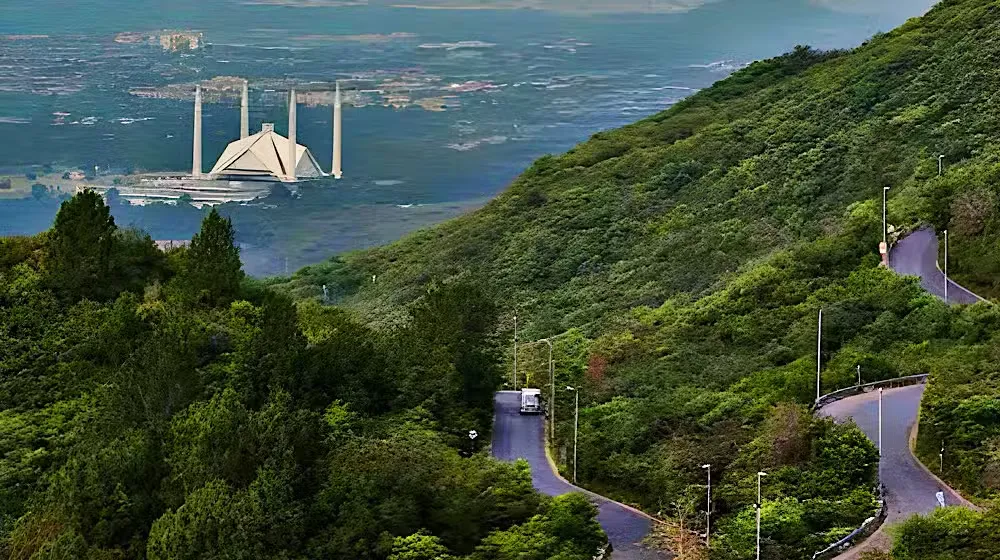
The NDVI data highlights a notable expansion of vegetation in the Margalla Hills, reflecting improvements in forest density and natural green cover across the protected region.
Environmental experts say the increase suggests better conservation efforts, natural regeneration, and controlled human activity in parts of the Margalla range.
Urban Development Reduces Green Cover in Some Sectors
While overall green cover has increased, the analysis also points to a decline in vegetation in certain residential and commercial sectors of Islamabad.
According to the report, these reductions are largely linked to planned urban development, infrastructure expansion, and construction activities, which have transformed previously green areas into built-up zones.
NDVI Maps Highlight Vegetation Changes
The NDVI maps visually illustrate the changes in land use across the city:
-
Green shades represent newly added or enhanced vegetation
-
Red markings indicate built-up or developed areas
These visual indicators help quantify how Islamabad’s landscape has evolved over the past three years.
Positive Environmental Trend Despite Urban Expansion
Despite localized losses, the overall findings confirm that Islamabad’s total green cover has increased, underscoring a balance between environmental conservation and urban growth.
Urban planners and environmentalists view the results as encouraging, emphasizing the need for sustainable development policies to protect green spaces as the city continues to expand.
